NAIROBI, Kenya, June 15 – Israel has lifted temporary travel restrictions previously imposed on Kenya and Rwanda over Ebola-related concerns, removing the two countries from a list that had included several states in East and Central Africa.
In a statement issued on June 15 through the Israeli Embassy in Nairobi, the Israeli Ministry of Health confirmed that the restrictions had been reviewed and Kenya and Rwanda were no longer subject to the entry limitations.
“We are pleased to announce that Israel’s Ministry of Health has decided to remove Kenya and Rwanda from the list of countries subject to temporary Ebola-related entry restrictions,” the Embassy said.
The restrictions had been introduced earlier amid concern over Ebola outbreaks reported in parts of the region, particularly Uganda, South Sudan and the Democratic Republic of Congo (DRC), which remain on Israel’s monitoring list.
Under the earlier directive issued on June 10, Israel’s Border Control Department had barred airlines from allowing passengers from affected countries to board flights to Israel. The rules also extended to travellers from other countries who had visited the listed states within 21 days of travel.
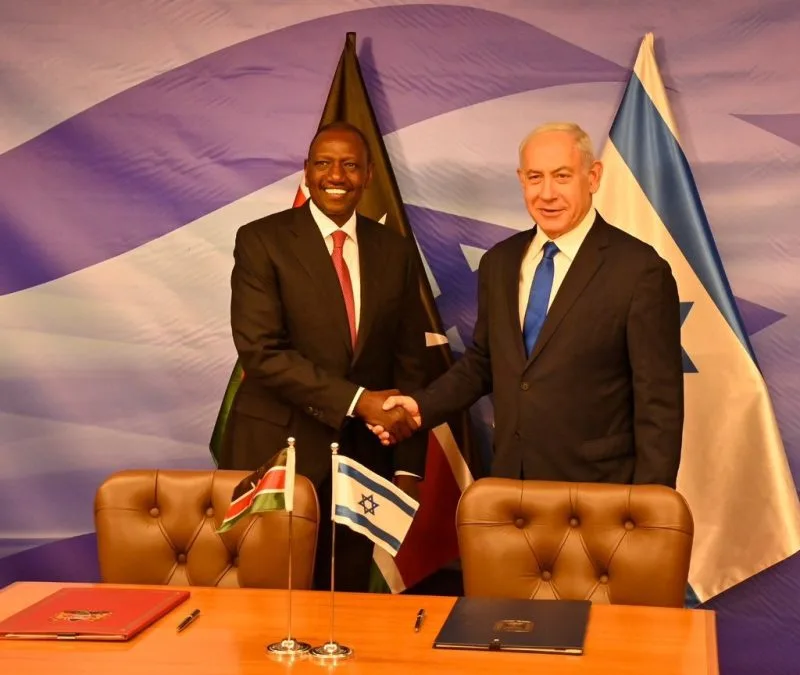
The decision to revise the list comes amid heightened diplomatic engagement between Kenya and Israel following Nairobi’s protest over the inclusion of Kenya in the travel advisory.
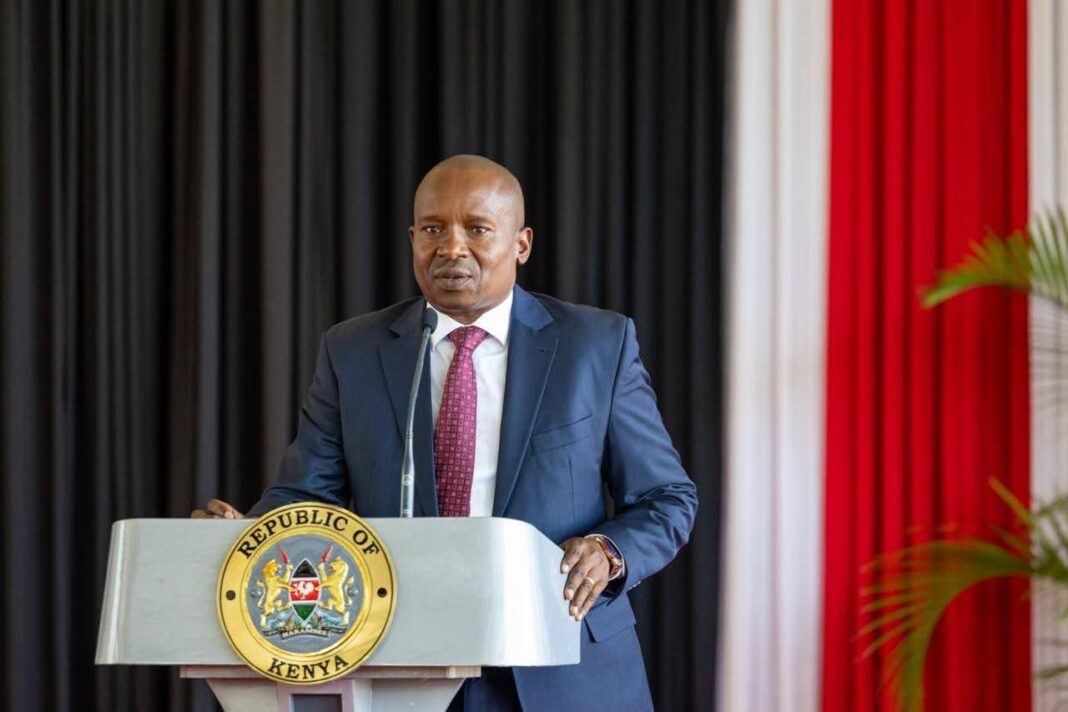
Principal Secretary for Foreign Affairs Korir Sing’Oei had criticised the move, arguing that Kenya had not recorded any Ebola cases and had been actively supporting regional surveillance and response efforts.
“Kenya strongly protests the decision by Israel to include the country amongst those whose travellers it will restrict,” Sing’Oei said, noting that thousands of tests had been conducted without a confirmed case.
The PS also emphasized Kenya’s ongoing cooperation in regional health monitoring, describing the restrictions as unjustified given the country’s Ebola-free status.
In response to the revised decision, Sing’Oei welcomed the move, terming it a positive step in bilateral relations.
“We welcome the decision very much, Israel, to vacate the inclusion of Kenya from the list of countries subject to Ebola-related restrictions. We are grateful for your sensitivity, friendship and partnership,” he said.
Meanwhile, Kenya has maintained that it remains on high alert despite having no confirmed cases, with the Ministry of Health continuing enhanced screening at points of entry and surveillance across the country.
Health authorities say more than 100,000 travellers have been screened at airports and border posts as part of ongoing preventive measures, with around 3,000 individuals checked daily.
The government has also reiterated that it is working with international partners, including the United States, to strengthen preparedness, including plans for Ebola isolation and treatment facilities as part of broader emergency response systems.
Officials say Kenya remains focused on early detection and containment measures to prevent any possible importation of the virus from affected neighbouring countries.
Principal Secretary for Foreign Affairs Korir Sing’Oei had criticised the move, arguing that Kenya had not recorded any Ebola cases and had been actively supporting regional surveillance and response efforts.
“Kenya strongly protests the decision by Israel to include the country amongst those whose travellers it will restrict,” Sing’Oei said, noting that thousands of tests had been conducted without a confirmed case.
The PS also emphasized Kenya’s ongoing cooperation in regional health monitoring, describing the restrictions as unjustified given the country’s Ebola-free status.
In response to the revised decision, Sing’Oei welcomed the move, terming it a positive step in bilateral relations.
“We welcome the decision very much, Israel, to vacate the inclusion of Kenya from the list of countries subject to Ebola-related restrictions. We are grateful for your sensitivity, friendship and partnership,” he said.
Meanwhile, Kenya has maintained that it remains on high alert despite having no confirmed cases, with the Ministry of Health continuing enhanced screening at points of entry and surveillance across the country.
Health authorities say more than 100,000 travellers have been screened at airports and border posts as part of ongoing preventive measures, with around 3,000 individuals checked daily.
The government has also reiterated that it is working with international partners, including the United States, to strengthen preparedness, including plans for Ebola isolation and treatment facilities as part of broader emergency response systems.
Officials say Kenya remains focused on early detection and containment measures to prevent any possible importation of the virus from affected neighbouring countries.