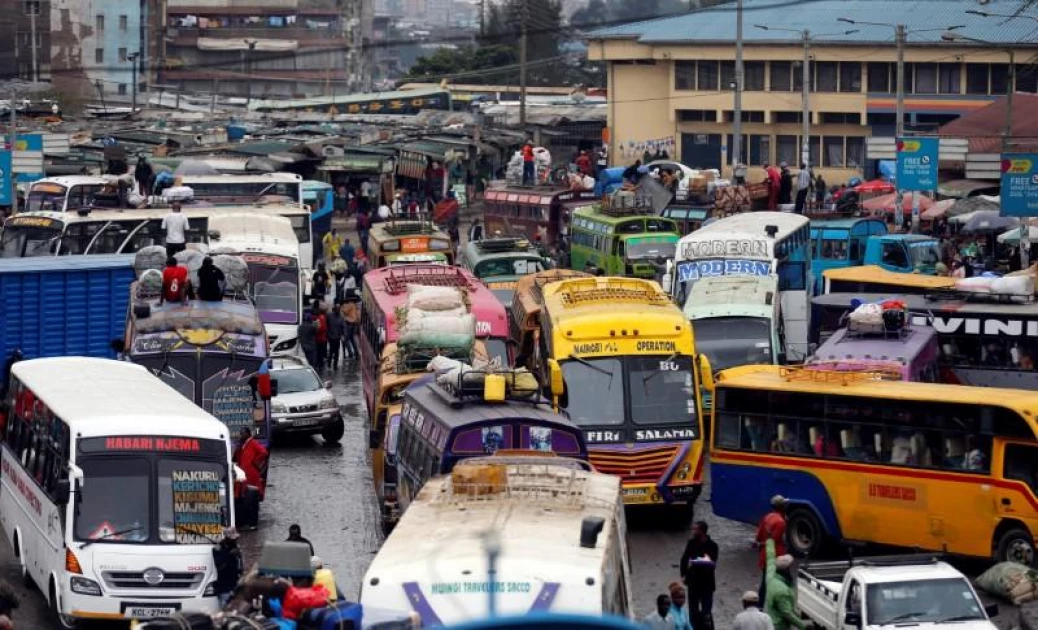
Matatu operators are squeezing Kenyan commuters dry — and the numbers prove it. The Taxpayers Association of Kenya called them out on Monday, April 20, warning PSV operators that their exorbitant fare hikes go far beyond what rising fuel costs justify.
Using the Nairobi-Nakuru route as a case study, the lobby laid out the math in brutal detail: operators are pocketing thousands of shillings in extra revenue per trip while hiding behind fuel price shocks. Kenyans, already battling a punishing cost of living, are footing the bill for what the association calls daylight robbery.
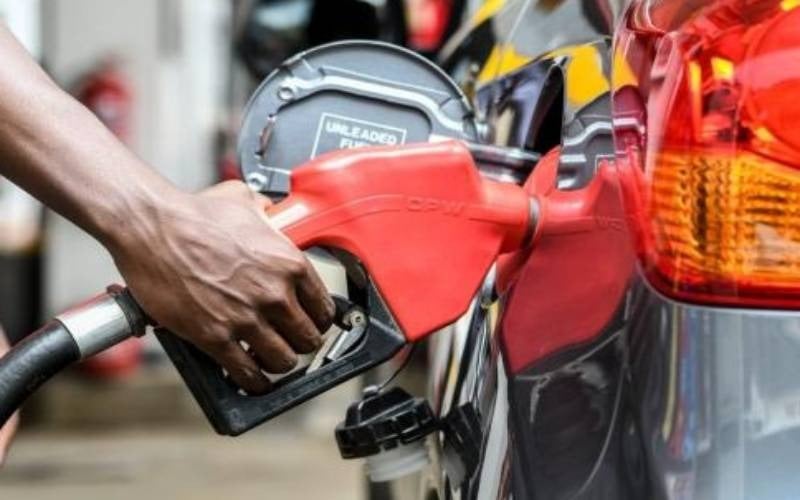
Taxpayers Association Breaks Down the Numbers Behind Exorbitant Fare Hikes
The Taxpayers Association of Kenya did not come with vague accusations. They came with a calculator.
Speaking to the media on Monday, April 20, the lobby used the popular Nairobi-Nakuru route to expose the gap between what fuel costs actually increased and what operators are charging commuters.
A standard 14-seater diesel matatu covering the 160-kilometre route between Nairobi and Nakuru burns approximately 32 litres of diesel for a full round trip of 320 kilometres, assuming an average fuel efficiency of 10 kilometres per litre. With diesel prices rising by KSh 18.35 per liter—from KSh 178 to KSh 196.63—the actual additional fuel expense per round trip comes to roughly KSh 587.
That is the real cost increase. But that is not what operators are charging.
Operators Pocket Thousands While Blaming Fuel Prices
Some matatu operators on the Nairobi-Nakuru route raised their fares by up to KSh 300 per passenger after the fuel price adjustment. On a fully loaded 14-seater, that translates to an extra KSh 4,200 in revenue per trip.
The math is stark. An extra KSh 587 in fuel costs. An extra KSh 4,200 in passenger revenue. That leaves operators walking away with over KSh 3,600 more per trip than they need to cover the fuel increase.
“If you do your mathematics rightly, matatus are making exorbitant profits, and this is what we, as a taxpayer association, don’t want to encourage,” the association stated.
The association did not dispute that operators deserve some relief when fuel prices rise. Their argument is simple: adjust fares to match the real cost increase, not to exploit a crisis. “Operators should adjust fares upward only within the recovery margin, not beyond it,” they said.
Operators Ignored the Price Revision That Should Have Brought Fares Down
The situation became harder to defend when the Energy and Petroleum Regulatory Authority (EPRA) stepped in. Matatu operators had already pushed fares up by over 25 percent following an initial diesel price hike of over KSh 40 per litre. The public absorbed that blow.
Then EPRA revised fuel prices downward after the government reduced Value Added Tax on fuel from 13 percent to 8 percent. Pump prices fell. But the matatu operators did not follow. They kept their inflated fares in place and said nothing.
That silence speaks volumes. It confirms what the Taxpayers Association is arguing—that the fare hikes were never purely about recovering fuel costs. They were about profit-taking dressed up as necessity.
The association is now demanding accountability. They challenged matatu saccos to publicly justify their current fare structures using actual fuel cost data. If operators cannot show the numbers, the lobby says regulators must step in.
“This is uncalled for, and we should not continue to really rob Kenyans in broad daylight. So we are calling all the associations to observe this despite the economic challenges that come with the fuel shocks,” the association warned.
Electric Bus Operators Face Questions Too
The Taxpayers Association widened its net beyond diesel-powered matatus. They also questioned why electric bus operators — who run vehicles that do not consume diesel at all — have increased their fares following the fuel price changes.
Electric buses have no direct exposure to diesel price movements. Their operational costs did not rise because of the EPRA fuel review. Yet some electric bus operators still pushed fares higher, using the broader narrative of fuel shocks as cover.
The association flagged this as a separate but equally troubling pattern. If operators who face no fuel cost increase are raising prices anyway, then the industry’s pricing decisions are disconnected from actual costs altogether.
The lobby’s position is clear. Whether an operator runs on diesel or electricity, fare increases must be tied to real, demonstrable cost pressures—not market opportunism.
The Taxpayers Association has put the industry on notice. Self-regulate now, or face regulatory consequences. For millions of Kenyan commuters with no alternative, the stakes could not be higher.