Kenyan President William Ruto stepped onto a global stage in Rome and delivered a blunt verdict on the world’s most powerful nations—including the United States—accusing them of dismantling the very peace systems they were built to protect. With the U.S.-Israel-Iran war raging and fuel prices spiraling worldwide, Ruto’s speech at LUISS University was less a diplomatic address and more a direct indictment of the global order.
How Ruto Lectures U.S. Over Inciting Tensions Exposed the Fractures in Global Governance
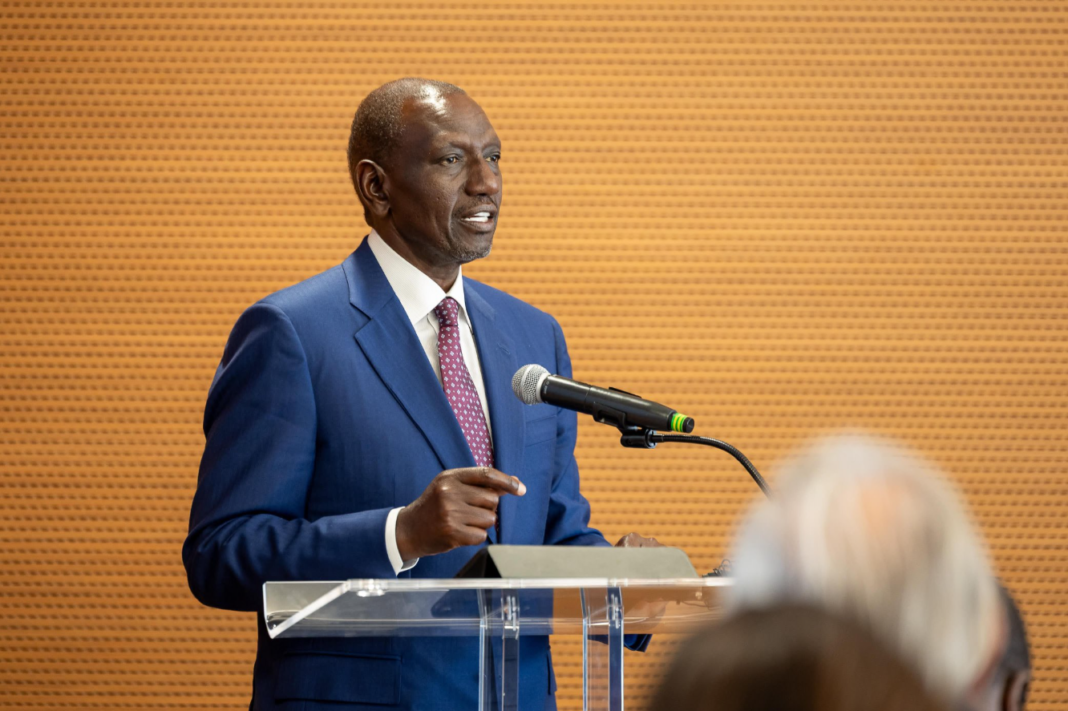
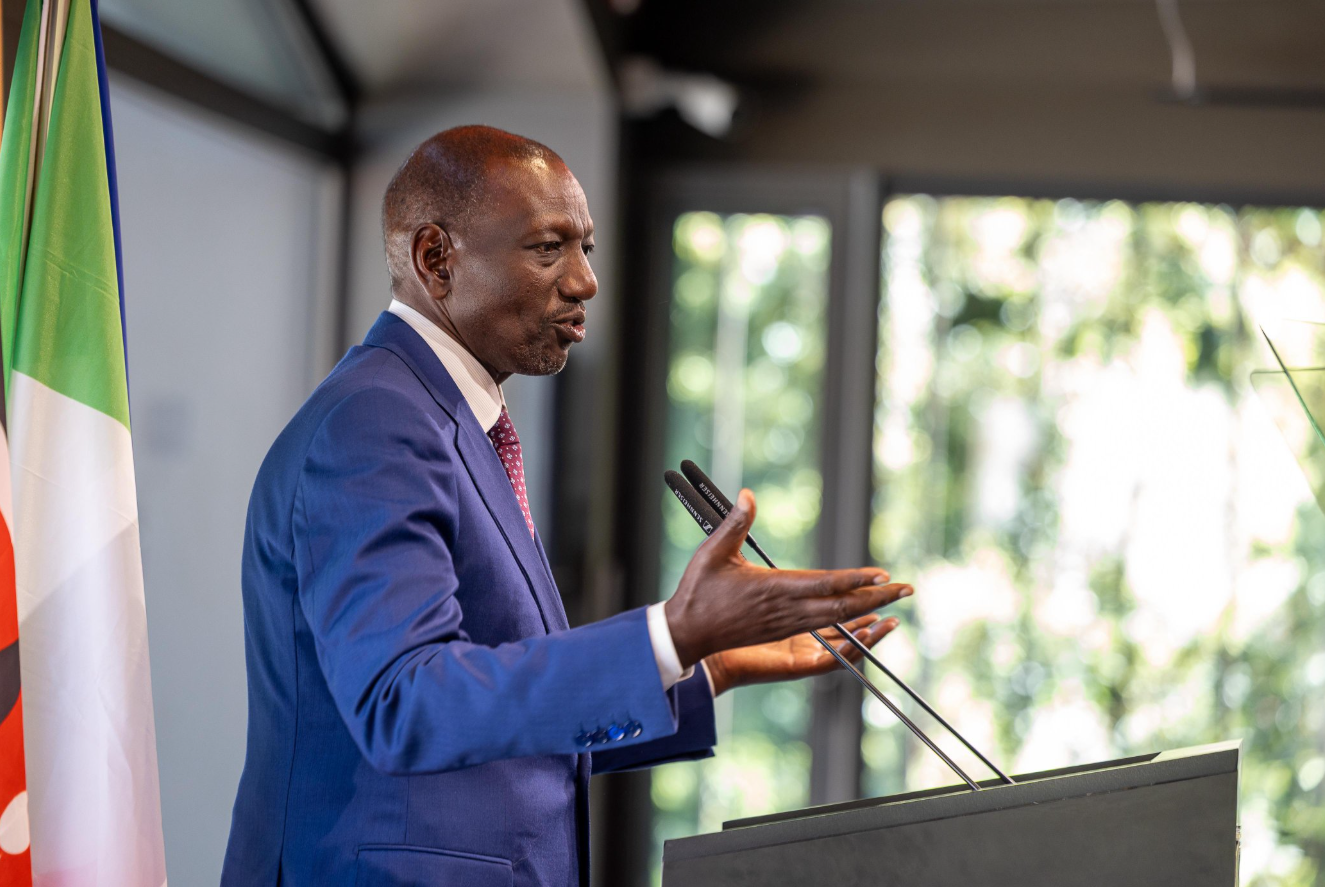
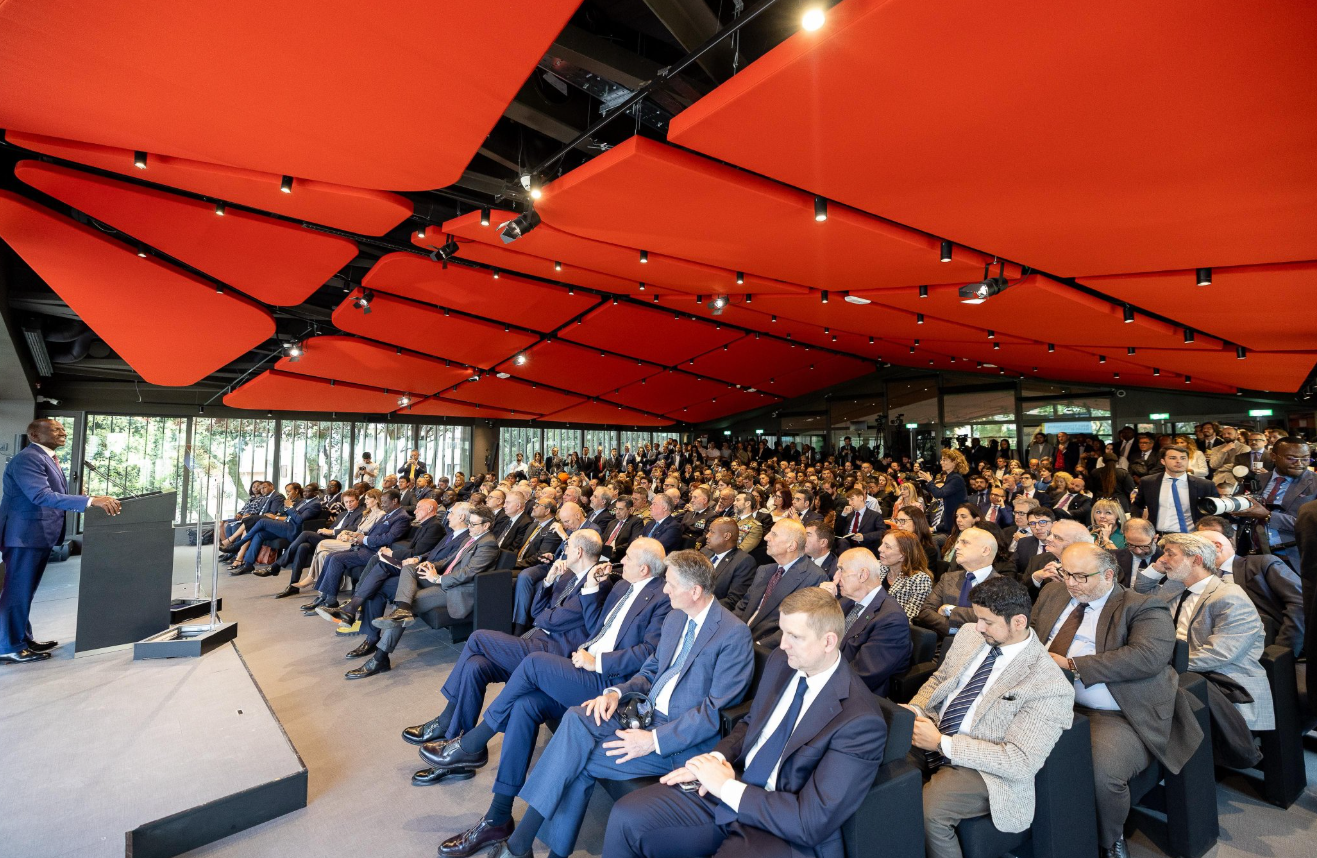
President William Ruto did not mince words. Standing before delegates at LUISS University in Rome on Tuesday, April 21, 2026, he tore into the United Nations system and the powerful nations that run it, describing a global peace architecture that is crumbling under the weight of its own contradictions.
The backdrop made his words impossible to ignore. The United States, Israel, and Iran are locked in an active war. Heavy airstrikes and naval blockades have choked the Strait of Hormuz, triggering a global fuel crisis that is hitting the world’s poorest nations the hardest. Against this explosive backdrop, Ruto walked to the podium and asked the question the world’s diplomats were avoiding.
“What clearer evidence of dysfunction can there be than a system in which those entrusted to underwrite global peace and prevent aggression are themselves accused?”— President William Ruto, LUISS University, Rome, April 21, 2026
The target was unmistakable. Ruto placed the United States and other permanent members of the UN Security Council squarely in the crosshairs of a system-failure argument that Kenya has been building for years.
The Accusation — Guardians Who Became the Threat
For decades, the architecture of global peace rested on a simple premise—the world’s most powerful nations would act as enforcers of stability. The UN Security Council placed the United States, the United Kingdom, France, Russia, and China at the top of that structure, granting them veto power and the authority to authorize international action against aggressors.
Ruto argued that this structure has not just failed but inverted. The very nations tasked with maintaining peace, he said, are now the ones accused of violating it. The ongoing war in the Middle East, involving the United States and Israel on one side and Iran on the other, is the most visible evidence of that inversion.
He sharpened his critique further, warning that the world is drifting toward an order governed not by rules but by raw power.
“What clearer signal do we require than a world that appears to be drifting towards an order defined not by rules but by might?”— President William Ruto
That framing is deliberate. Ruto knows that African nations, historically the victims of rule-by-might, carry a particular moral authority when they make this argument. He used that authority to call out the hypocrisy of a system that preaches sovereignty while practicing domination.
The Reform Demand — Africa Wants a Seat at the Table
Ruto’s speech was not simply a critique. It carried a concrete demand. He argued that Africa has long pushed for reform of the UN’s governance structures, particularly the Security Council, and that the current crisis makes those reforms more urgent than ever.
Africa holds not a single permanent seat on the UN Security Council. The continent, home to 1.4 billion people and 54 nations, carries no veto power and no guaranteed voice in the decisions that most affect global stability. Ruto framed this as a structural injustice that enables the dysfunction he described.
“It is for this reason that Kenya and the rest of Africa are right in calling for urgent reforms of the UN, more particularly the UN Security Council,” he said, making it clear that this is not a request but a demand backed by the weight of a continent’s frustration.
Key Facts at a Glance
- Ruto spoke at LUISS University in Rome on Tuesday, April 21, 2026
- The ongoing U.S.-Israel-Iran war has triggered a global fuel crisis via the Strait of Hormuz
- UN Secretary-General António Guterres called on all parties to stop hostilities on April 2, 2026
- Africa holds zero permanent seats on the UN Security Council
- Ruto demanded urgent UN Security Council reforms to include fair African representation
The Global Echo — Guterres Sounds the Alarm
Ruto is not alone in his alarm. UN Secretary-General António Guterres raised his own warning on April 2, 2026, calling on the United States and Israel to halt their military campaign and demanding that Iran stop its attacks on neighbouring states. Guterres warned that the crisis has already moved well beyond regional boundaries.
The closure of the Strait of Hormuz — one of the world’s most critical oil shipping lanes — has sent fuel prices surging across the globe. Nations that contribute nothing to the conflict are absorbing its economic shockwaves.
“When the Strait of Hormuz is strangled, the world’s poorest and most vulnerable cannot breathe.”— UN Secretary-General António Guterres, April 2, 2026
That image lands hard — the world’s poorest suffocating while Washington, Tel Aviv, and Tehran make decisions that wreck their lives. Ruto seized that moral ground in Rome and voiced what mainstream global discourse routinely ignores: powerful nations fight the wars, but powerless ones pay the price.
Ruto’s speech in Rome will not trigger immediate reform. The UN Security Council will not convene an emergency session to address African representation. But the significance of a sitting African head of state using a prominent European academic forum to publicly name and shame the United States and its allies over inciting global tensions is not lost on anyone watching closely. The message from Nairobi to Washington — and to Rome — is that Africa is no longer willing to absorb the consequences of a broken system in silence.