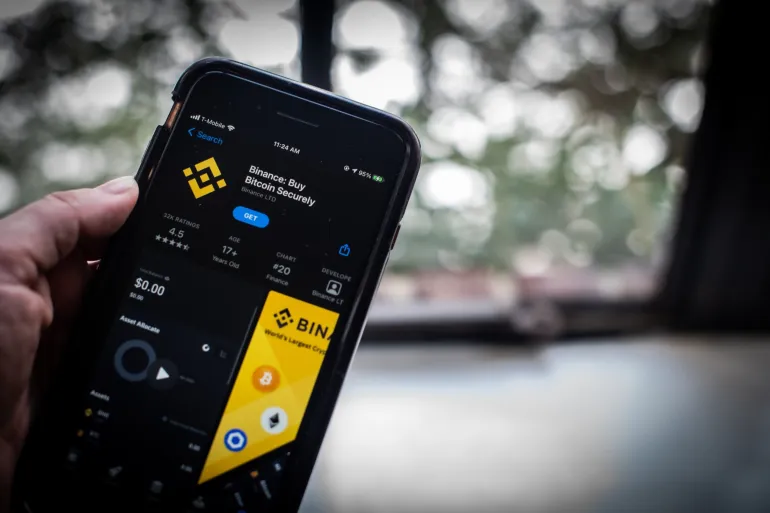
Kenya’s Directorate of Criminal Investigations has reportedly ordered Binance to freeze multiple user accounts, locking thousands of shillings in limbo—with no charges filed, no court orders issued, and no timeline for resolution.
Affected users say they woke up to blocked wallets and cryptic emails directing them to the police for answers. Bills are piling up. Debt is growing. And the authorities are silent. This is Binance Unmasked — a story about power, opacity, and what happens when regulators move faster than the law.
How the DCI Froze Binance Accounts and Left Kenyan Users in the Dark
The DCI sent a formal request to Binance asking the exchange to freeze several Kenyan user accounts. Binance complied. Users received emails informing them that their funds had been frozen at the request of the DCI, acting through the National Police Service.
What those emails did not include was any explanation of why.
Sources privy to the matter confirmed that authorities froze the accounts without presenting formal court orders or laying any charges against the affected users. Binance did not push back. The platform simply directed users to contact the police if they wanted more information.
When users did contact the police, they got nothing useful in return.
“No complainant identified. No formal charges. No timeline given. Funds remain inaccessible. Meanwhile, real life doesn’t pause. Bills are piling up. Debt is growing,” one affected user wrote publicly, capturing the frustration of dozens more in a similar situation.
The accounts remain frozen.
Binance Unmasked — A Platform That Chose Compliance Over Its Users
Binance has spent the last two years working aggressively to repair its global reputation. After a landmark $4.3 billion settlement with U.S. authorities in 2023, the exchange repositioned itself as a compliance-first platform, eager to work with regulators in emerging markets.
Kenya became part of that strategy.
As the Kenyan government rolled out the Virtual Asset Service Providers (VASP) Act of 2025, Binance moved to align itself with the new legal framework. The VASP Act establishes the regulatory foundation for crypto assets, digital tokens, and virtual service providers operating in Kenya.
The draft Virtual Asset Service Providers Regulations of 2026 go further, setting out the specific licensing requirements and compliance obligations that exchanges must meet. Binance saw an opportunity to demonstrate cooperation. It delivered at the direct expense of its own users.
By freezing accounts without demanding court orders or documented charges, Binance prioritized its regulatory standing over the financial safety of the very people who trust the platform with their money. The exchange handed over access to user funds based on a request, not a court-sanctioned order.
That is not compliance. That is capitulation.
Sources note that while the Central Bank of Kenya and the Capital Markets Authority formally oversee the crypto sector, the DCI’s involvement in this crackdown suggests a shift in approach—one that places surveillance and law enforcement access above user protection. Binance, in choosing to cooperate without demanding due process, enabled that shift.
About The Movement and What It Demands
Affected users did not stay quiet. They took their frustration online and launched a digital movement under the hashtag #BinanceUnmasked, demanding transparency from both the platform and the National Police Service.
The movement quickly gained traction. Users shared their frozen account notices, posted unanswered support tickets, and called out what they described as a coordinated pattern of opacity from institutions that should be accountable.
Their demands are straightforward. They want to know who filed a complaint against them. They want to see the legal basis for the freeze. They want a clear timeline for when — and whether — they will regain access to their funds. And they want Binance to stop hiding behind vague emails while pointing users toward a police service that refuses to engage.
The broader concern cuts deeper than individual accounts. Kenya is building a crypto regulatory framework from scratch. The VASP Act and its accompanying 2026 regulations will shape how millions of Kenyans interact with digital assets for years to come. If the precedent being set right now is that authorities can freeze crypto accounts without charges, court orders, or public justification, that framework starts from a foundation of fear — not trust.
Kenyans who invested in crypto deserve better. They deserve transparency from Binance. They deserve accountability from the DCI. And they deserve a regulatory environment that protects citizens, not just institutions.