The Orange Democratic Movement has come out guns blazing to dismiss explosive claims that it spent Ksh 100 million to ferry 6,000 delegates to Nairobi. The party has accused The Standard Group of publishing false, exaggerated, and misleading reports designed to damage its reputation.
ODM leaders now argue that the story is not just inaccurate but part of a worrying pattern of imbalanced reporting that targets certain political players while ignoring similar actions within rival factions.
ODM Denies Spending Ksh 100 Million to Ferry 6,000 Delegates to Nairobi
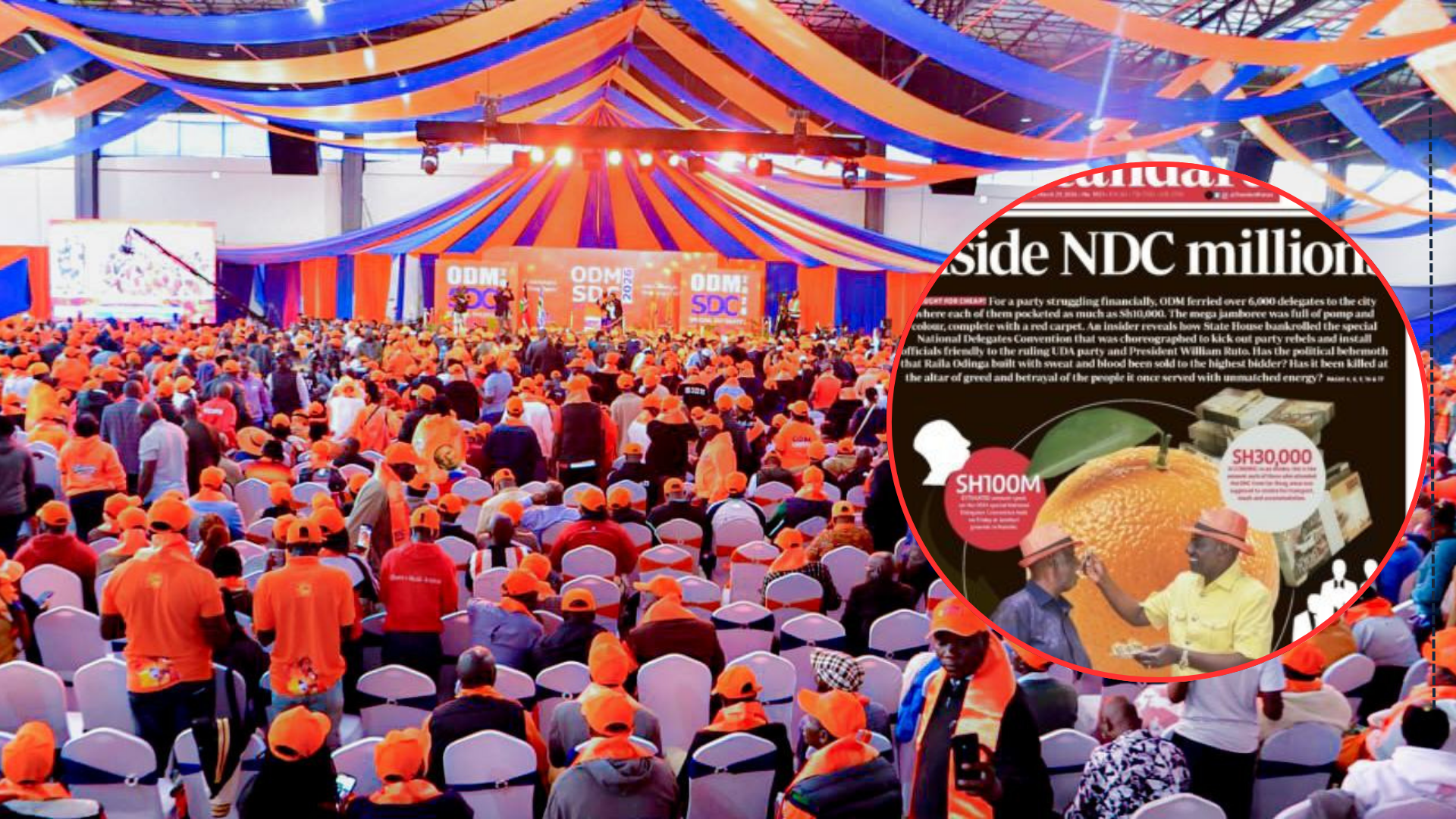
The controversy erupted after a report by The Standard Group alleged that ODM transported more than 6,000 delegates to Nairobi for its Special Delegates Conference held on March 27, 2026. The publication further claimed that the exercise cost over Ksh 100 million, with delegates allegedly receiving up to Ksh 30,000 each for accommodation, meals, and transport.
ODM has rejected these claims in the strongest terms.
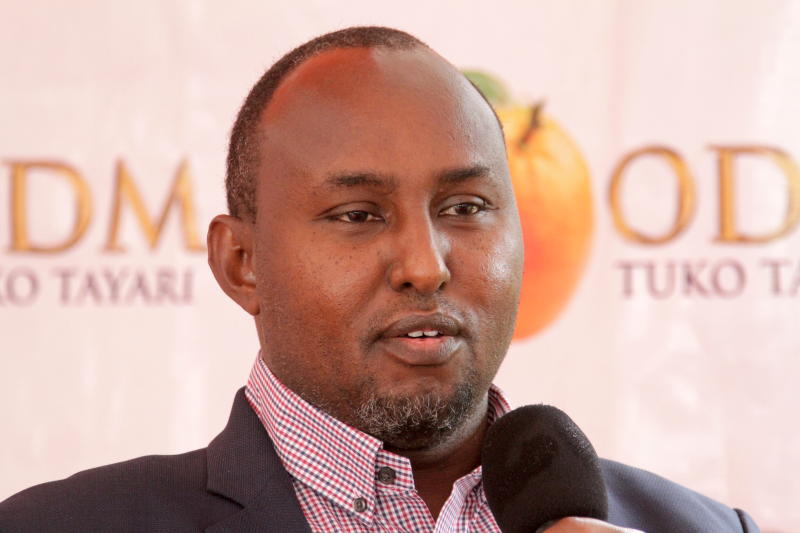
In an official statement, the party’s Director of Campaigns and Elections, Junet Mohammed, described the report as sensational and misleading. He insisted that the figures cited by the newspaper have no factual basis and were deliberately crafted to misinform the public.
Junet made it clear that ODM did not ferry 6,000 delegates and did not spend Ksh 100 million. He emphasized that the party operates within a clear constitutional framework that strictly defines the number of delegates allowed at its National Delegates Conference.
ODM Constitution Sets the Record Straight
According to ODM, its constitution caps the number of accredited delegates at 3,000. This figure is not flexible, and any number beyond that threshold is considered illegal under party rules.
Junet questioned how the figure of 6,000 delegates even emerged. He argued that such a claim shows a reckless disregard for facts and a failure to verify basic information before publication.
The party maintains that it adhered strictly to its constitutional requirements during the conference attended by key leaders, including party leader Oburu Odinga and deputy leader Simba Arati.
ODM insists that the event was conducted transparently and within legal limits. It argues that any suggestion of inflated delegate numbers or massive expenditure is not only false but also intended to create public outrage.
Claims of Bias and Selective Reporting
ODM has gone further to accuse The Standard Group of practicing selective journalism. The party argues that the publication often highlights alleged excesses within government-linked or mainstream political outfits while ignoring similar or worse actions by opposition factions.
The party specifically pointed to the “People’s NDC,” an event linked to the rebel ODM faction Linda Mwananchi. ODM leaders claim that the same publication failed to scrutinize or question spending and logistics surrounding that event.
This, according to ODM, exposes a clear pattern of bias.
The party believes that such reporting creates a distorted public narrative. It warns that repeated publication of unverified claims risks eroding public trust not just in political institutions but also in the media itself.
Media Credibility Under Scrutiny
This is not the first time The Standard Group has faced accusations of publishing questionable reports. Barely a week ago, the Media Council of Kenya raised concerns about inaccurate reporting linked to claims involving former Cabinet Secretary Raphael Tuju.
In that incident, reports suggested that Tuju had been abducted. However, it later emerged that he was safe and had not been kidnapped, sparking backlash against the publication.
ODM now cites this incident as evidence of a broader problem within sections of the media. The party argues that repeated errors and sensational headlines point to a troubling shift toward yellow journalism.
Party officials warn that such practices damage reputations, mislead the public, and undermine democratic discourse. They are now calling for greater accountability and stricter adherence to journalistic standards.
The Bigger Political Message
Beyond the immediate denial, ODM is sending a strong political signal. The party wants to protect its credibility ahead of future political engagements and maintain control of its public image.
By aggressively pushing back, ODM is also challenging media houses to uphold fairness and accuracy. The party insists that criticism must be based on facts, not speculation or anonymous sources.
At the same time, this dispute highlights the growing tension between political parties and media organizations in Kenya. As political competition intensifies, narratives around funding, mobilization, and influence will continue to dominate headlines.
ODM’s firm stance shows that it will not allow what it calls misinformation to go unchallenged. Whether this confrontation leads to greater media accountability or deeper polarization remains to be seen.
One thing is clear. The battle over public perception has become just as important as the political contest itself.