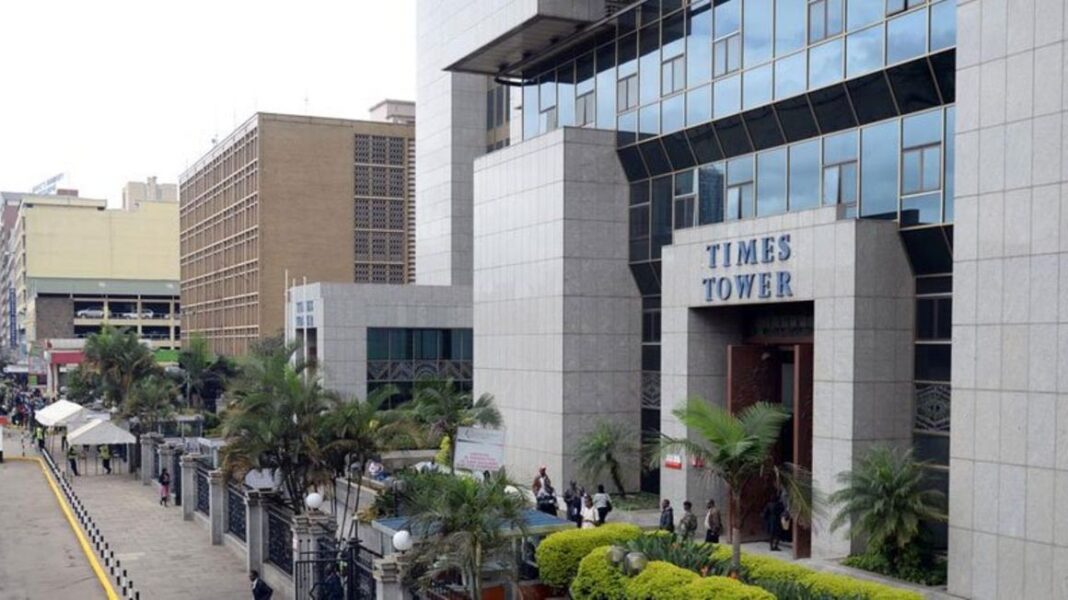
The Times Tower Vault Heist has ripped open a disturbing truth about Kenya’s tax system. Nearly 24 million excise stamps vanished from one of the most secure government facilities, exposing a well-organized syndicate operating from within.
The theft, stretching over three years, points to insider involvement, weak controls, and shocking silence from management. With over Sh120 million already linked to a single month’s losses, the scandal raises urgent questions about accountability at the Kenya Revenue Authority and whether the country is bleeding billions through invisible loopholes.
Times Tower Vault Heist Reveals Systemic Failures And Insider Collusion
The scale of the Times Tower vault heist is not just alarming—it is systemic. Audit findings show that 23,724,042 excise stamps disappeared from the vault at KRA headquarters between 2022 and June 2025. These stamps are critical tools in tax enforcement, used to confirm that excise duty has been paid on goods like alcohol, tobacco, soft drinks, and bottled water.
Without them, counterfeit or untaxed goods easily enter the market disguised as legitimate products.
The audit by Nancy Gathungu paints a troubling picture. She directly faults KRA management for failing to report some of these thefts to investigative agencies. That failure alone signals either negligence or complicity. You cannot lose millions of tax stamps and stay quiet unless something deeper is broken.
Worse still, a large portion of the theft—about 60 percent—occurred within a short window in October 2024 and June 2025. That concentration suggests planning, coordination, and access.
How 13.6 Million Stamps Vanished In One Month
October 2024 stands out as the most brazen phase of the heist. Within weeks, 13.6 million excise stamps disappeared from the vault.
The breakdown is staggering:
- 13.3 million stamps for bottled water
- 210,000 for soft drinks
- Smaller but high-value batches for wine and spirits
The estimated tax loss from just these October thefts stands at Sh120.3 million.
These stamps did not simply vanish. Investigators believe they were diverted into the black market, where rogue manufacturers use them to label untaxed goods as compliant.
That allows businesses to avoid paying excise duty while still selling products openly in shops across the country. This is not petty theft. It is industrial-scale tax evasion.
Inside Jobs And Staff Under Investigation
KRA itself admits that insiders played a role. At least seven employees have been interdicted, one staff member has already been dismissed, and six others remain under investigation.
That is not a coincidence. Vault access is tightly controlled, meaning external actors could not execute this scheme without internal help.
The KRA commissioner for investigations confirmed disciplinary action but stopped short of detailing the full extent of staff involvement. At the same time, an official linked to SICPA SA—the firm contracted to supply and manage the excise stamp system—was recalled, raising further questions about oversight failures.
SICPA runs the Excisable Goods Management System, which tracks stamp issuance and usage. Its presence inside Times Tower, including a help desk that facilitates stamp collection, creates a sensitive access point. That access may have been exploited.
Missing Reports And Weak Oversight Raise Red Flags
One of the most damning revelations is not just the theft, but the silence around it.
According to the Auditor-General, 9.68 million stamps recorded as missing in earlier years were never reported to any investigative agency. There is also no evidence that proper internal investigations took place.
That is not just poor management. It undermines the entire tax enforcement system.
KRA claims some losses occurred before the introduction of the electronic tracking system in 2015 and were only discovered later. But the auditor disputes this explanation, noting that monthly stock reconciliations should have flagged such discrepancies much earlier.
Simply put, the numbers do not add up.
A Growing Threat To Kenya’s Revenue System
Excise duty is not a minor revenue stream. It contributes 28.6 percent of taxes from goods and services, forming a major chunk of national income.
In the 2024/2025 financial year alone, KRA collected Sh287 billion from excise duty. The stolen stamps represent revenue that should have flowed into that figure.
Now consider this: if criminals can access official tax stamps, they can flood the market with untaxed goods while appearing compliant. That creates unfair competition, reduces government revenue, and erodes public trust.
The Times Tower vault, once considered one of the safest storage facilities in the country, now appears deeply compromised.