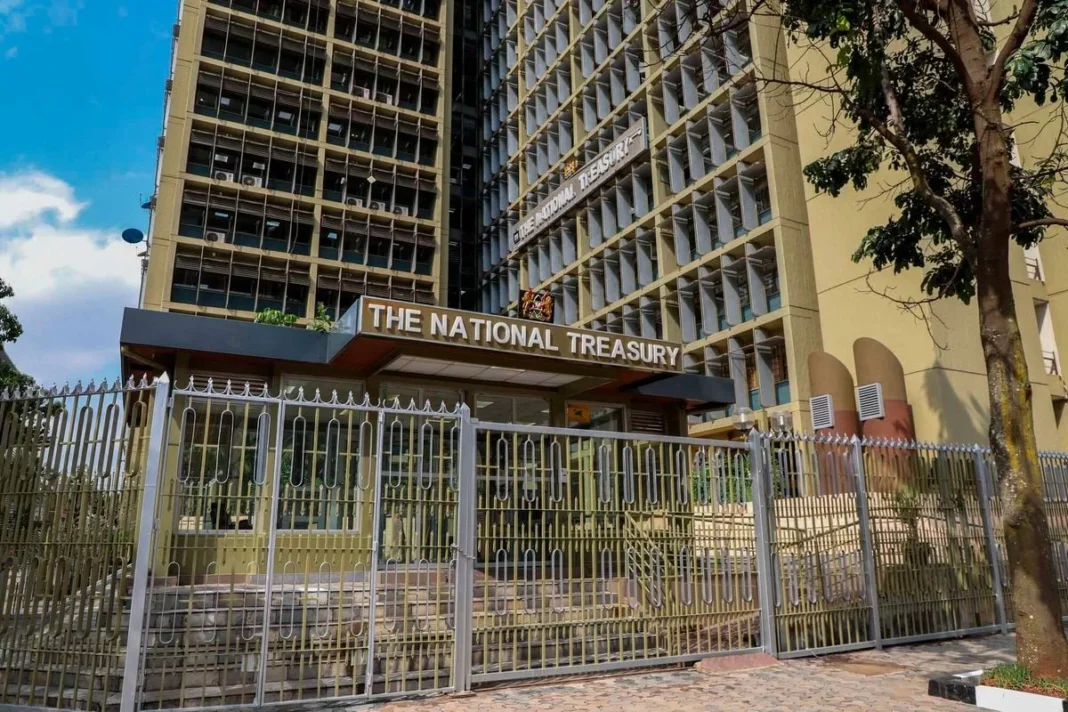
The iconic Teleposta Towers in Nairobi are poised for sale as part of a seismic shift in the Teleposta Pension Scheme’s investment strategy. The scheme has announced plans to liquidate up to 70 percent of its Ksh.14.1 billion asset portfolio, raising between Ksh.10 billion and Ksh.11 billion.
The move aims to enhance liquidity, improve returns for members, and pivot away from heavy reliance on property investments that have delivered underwhelming profits. Analysts say this decision could redefine pension investment norms in Kenya.

Teleposta Towers Sale Marks Strategic Repositioning
The Teleposta Pension Scheme is abandoning its traditional focus on immovable assets such as prime real estate. Iconic buildings, including Teleposta Towers, Bombolulu, Makande, Aga Khan, and GTI properties, are slated for disposal. Scheme management explained that the transition is driven by the need to boost liquidity and tap into more flexible financial instruments such as government bonds, the National Infrastructure Fund, and other securities.
Teleposta Scheme CEO Peter Rotich emphasized the shift: “We are rebranding because we are exiting the property portfolio. Once we exit, it is a new way of doing things. Reducing exposure from 83 percent to about 35 percent opens up benefits that will accrue to our members once we review payment structures.”
The liquidation is designed to free up capital, enabling the scheme to respond to members’ immediate financial needs while navigating inflationary pressures. With some members earning as little as Ksh.11,895 monthly, the scheme believes increased liquidity will allow more dynamic management of payouts and investment returns.
Why Property Assets Underperformed
Despite their historical reputation as stable investments, many of the scheme’s property holdings have underperformed. Only one property is generating close to 7 percent returns, while residential and other holdings have averaged negative 2 percent, with high administrative and maintenance costs further eroding profits.
Rotich explained, “We want to ensure that members get value for money from the assets they have, and that explains why we are moving from our property holdings, which have been generating very low returns.” Analysts agree that high upkeep costs for commercial buildings, coupled with inconsistent rental income, have made property a less attractive option for closed pension schemes like Teleposta.
Expected Impact on Members
The sale of Teleposta Towers and other properties is part of a carefully structured liquidation process scheduled to span two years. Actuaries will be engaged to ensure the benefits of asset sales are fairly distributed among members. The scheme anticipates that increased liquidity will enable diversification into high-performing, lower-risk instruments while meeting regulatory caps that limit property exposure to a maximum of 30 percent of total assets.
Rotich stressed the importance of prudence, “Being a closed scheme, we have to be very conservative because our members are older. Teleposta Towers will go to the market, and we are already engaging with the government and potential investors to ensure a smooth transition.”
Financial analysts suggest that this shift could serve as a blueprint for other pension schemes in Kenya, which face similar pressures to balance long-term investment returns with short-term liquidity obligations. By moving away from illiquid assets, Teleposta Pension Scheme aims to create a more resilient portfolio capable of weathering economic uncertainties.
The Road Ahead
The Teleposta Towers sale is more than just a property transaction; it signals a new philosophy in pension fund management. By unlocking the value of underperforming real estate, the scheme hopes to create a fund that is more responsive to members’ financial needs, more compliant with regulatory requirements, and better positioned to capitalize on emerging investment opportunities.
While the liquidation process will take time, the strategic pivot offers a chance to reset expectations for pension returns and modernize how funds are managed. As Kenya’s real estate market continues to evolve, the decision to sell high-profile properties like Teleposta Towers demonstrates a willingness to adapt to financial realities rather than cling to tradition.
For members and investors, the Teleposta Towers sale represents both risk and opportunity. The coming months will be crucial in determining whether this bold move delivers tangible benefits to members and sets a precedent for more agile, liquidity-focused pension management in Kenya.