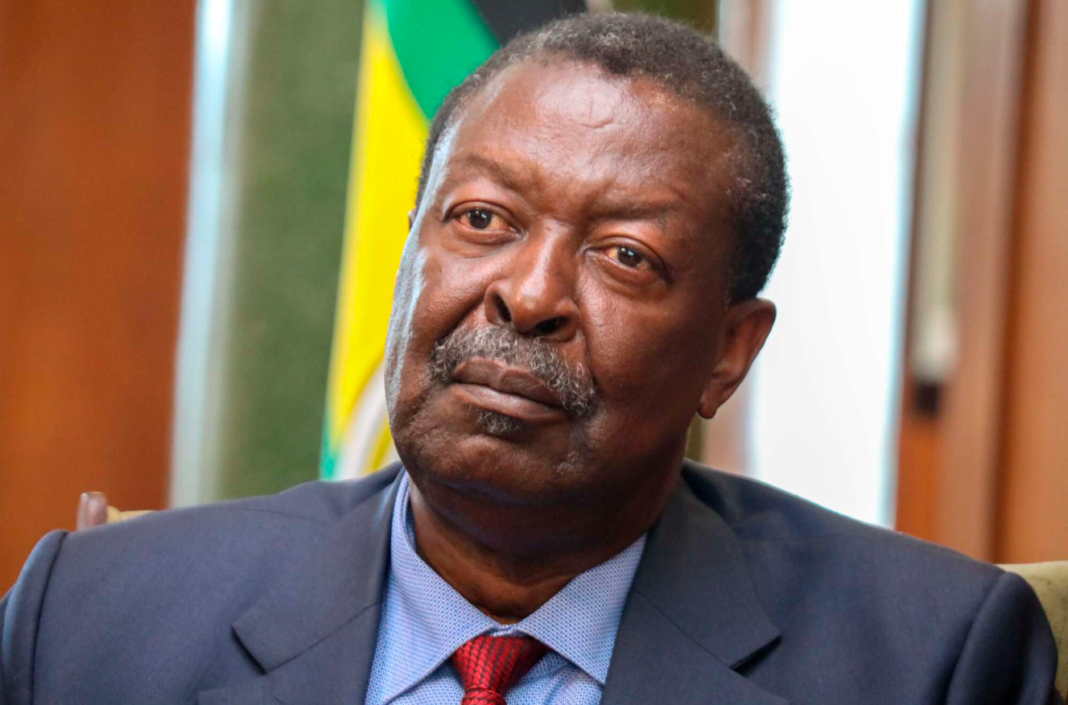
The recruitment of Kenyans for Russia military operations has finally hit a diplomatic wall after Kenya and Russia agreed to end the controversial enlistment of Kenyan citizens into foreign combat missions. Prime Cabinet Secretary Musalia Mudavadi confirmed the decision during high-level talks in Moscow with Russian officials.
The announcement comes after months of growing outrage over reports that hundreds of Kenyans were secretly recruited and deployed to the frontlines of the Russia–Ukraine War. Investigations show the recruits were often misled by fake job offers before being pushed into military contracts.
The Hidden Network Behind the Recruitment of Kenyans for Russia Military
For months, disturbing reports emerged about the recruitment of Kenyans for Russia’s military through shadowy job agencies operating across Kenya.
Investigations revealed a sophisticated network targeting unemployed youth with promises of high-paying jobs abroad. Recruiters advertised opportunities as drivers, cleaners, or security personnel in Russia. Many applicants believed they were signing standard employment contracts.
But once they arrived in Russia, the situation quickly changed.
Victims reported being pressured or coerced into signing military service contracts linked to the ongoing war in Ukraine. Instead of working civilian jobs, many underwent military training and were deployed to combat zones, particularly in the Donetsk region.
According to intelligence reports, more than 1,000 Kenyan citizens were recruited into Russian military operations through this system.
The Kenyan government now says the agreement reached with Vladimir Putin aims to stop the controversial recruitment pipeline and prevent further exploitation.
Mudavadi revealed that Kenya raised the issue directly with Russian leadership during diplomatic engagements in Moscow.
He said both governments agreed that Kenyans would no longer be enlisted for special military operations through Russia’s defence structures.
The announcement signals a significant shift in how both nations plan to handle labour migration and military involvement.
Diplomatic Talks Between Mudavadi and Russian Leadership
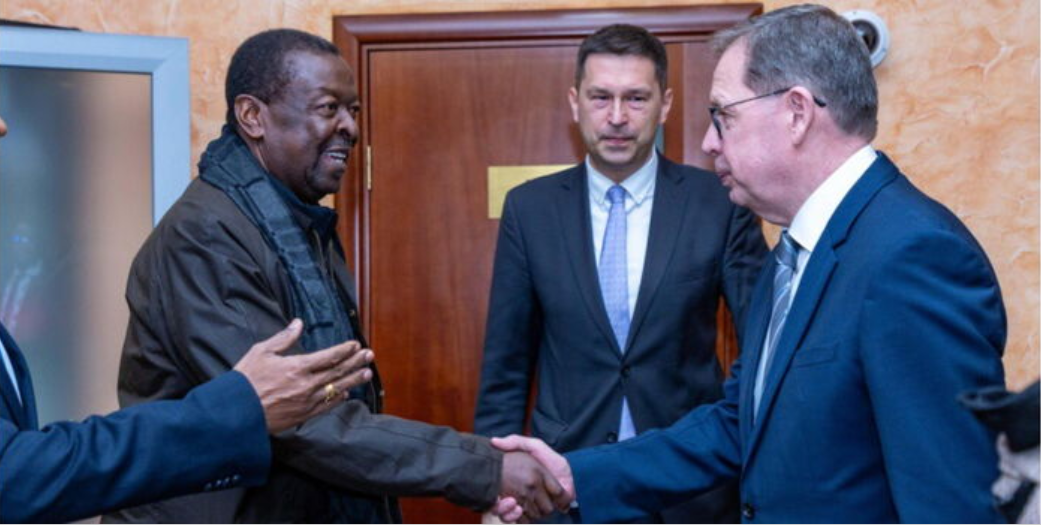
Mudavadi confirmed the breakthrough during a joint press briefing alongside Russian officials. He said the welfare of Kenyans in Russia formed a key part of the discussion with Russian authorities.
“The second point I want to address is to confirm that His Excellency has discussed with us the welfare of Kenyans in Russia, including those involved in military operations,” Mudavadi said.
He added that Kenya and Russia had agreed to halt enlistment of Kenyans into military missions.
Russia’s Foreign Minister Sergey Lavrov also addressed the issue during the briefing.
Lavrov insisted that foreign nationals who joined the Russian military did so voluntarily and were not forced into service. However, he acknowledged that both countries must establish clearer labour frameworks to prevent abuse and misunderstandings.
Officials from both governments now plan to draft a formal labour agreement to regulate employment opportunities for Kenyans in Russia.
The agreement will also introduce stronger safeguards to prevent fraudulent recruitment practices.
Kenyan Lives Lost in the Russia-Ukraine War
Behind the diplomatic negotiations lies a painful human cost. Investigative reports estimate that between 10 and 18 Kenyan citizens have died while fighting for Russian forces in Ukraine.
Many families discovered the fate of their loved ones months after they left Kenya, believing they had secured overseas employment.
Among the confirmed victims are Clinton Nyapara Mogesa, Martin Macharia, John Mwangi Nduta, Ombwori Denis Bagaka, Wahome Simon Gititu, Kevin Kang’u, Charles Waithaka, David Kuloba, Elvis Kipchirchir, and Peter Maina Gakau.
Most deaths occurred in the Donetsk region, one of the most active battle zones in the Russia-Ukraine conflict.
Some families in Kenya have held symbolic burials after failing to recover the bodies of their relatives. In several cases, authorities reported that the remains were never recovered from the battlefield.
These tragedies triggered intense pressure on the Kenyan government to intervene and protect citizens from being drawn into foreign wars.
Government Crackdown on Fraudulent Recruitment Agencies
Kenyan authorities have already launched investigations into recruitment agencies suspected of facilitating the scheme.
Security agencies believe some local and international actors worked together to move recruits out of Kenya through misleading job offers.
Officials say the new labour agreement with Russia will introduce official recruitment channels and stricter oversight mechanisms.
The government also continues to negotiate with both Russian and Ukrainian authorities to repatriate Kenyan survivors still trapped in the conflict.
According to intelligence data, about 89 Kenyan recruits may still be on the battlefield, while at least 28 remain missing.
For families waiting for answers, the diplomatic agreement offers a glimmer of hope. But analysts warn that dismantling the recruitment networks will require sustained investigations and tighter monitoring of overseas employment agencies.