
Kenya has been put on high alert after Ethiopia became the first East African nation to respond publicly to fuel supply disruptions triggered by the escalating crisis in the Middle East. Ethiopian Prime Minister Abiy Ahmed urged citizens to conserve fuel as supply chains began to strain.
The warning comes amid growing concern across the region that disruptions could ripple into domestic markets, raising prices and threatening essential services. Kenyan authorities are monitoring the situation closely while assuring citizens of stable reserves.
The situation in Ethiopia has highlighted the vulnerability of East African countries dependent on imported fuel. While Kenya has maintained steady prices for petrol, diesel, and kerosene for the March-April cycle, the regional crisis signals potential risks for the near future. Governments in the region are now bracing for the fallout of global supply interruptions.
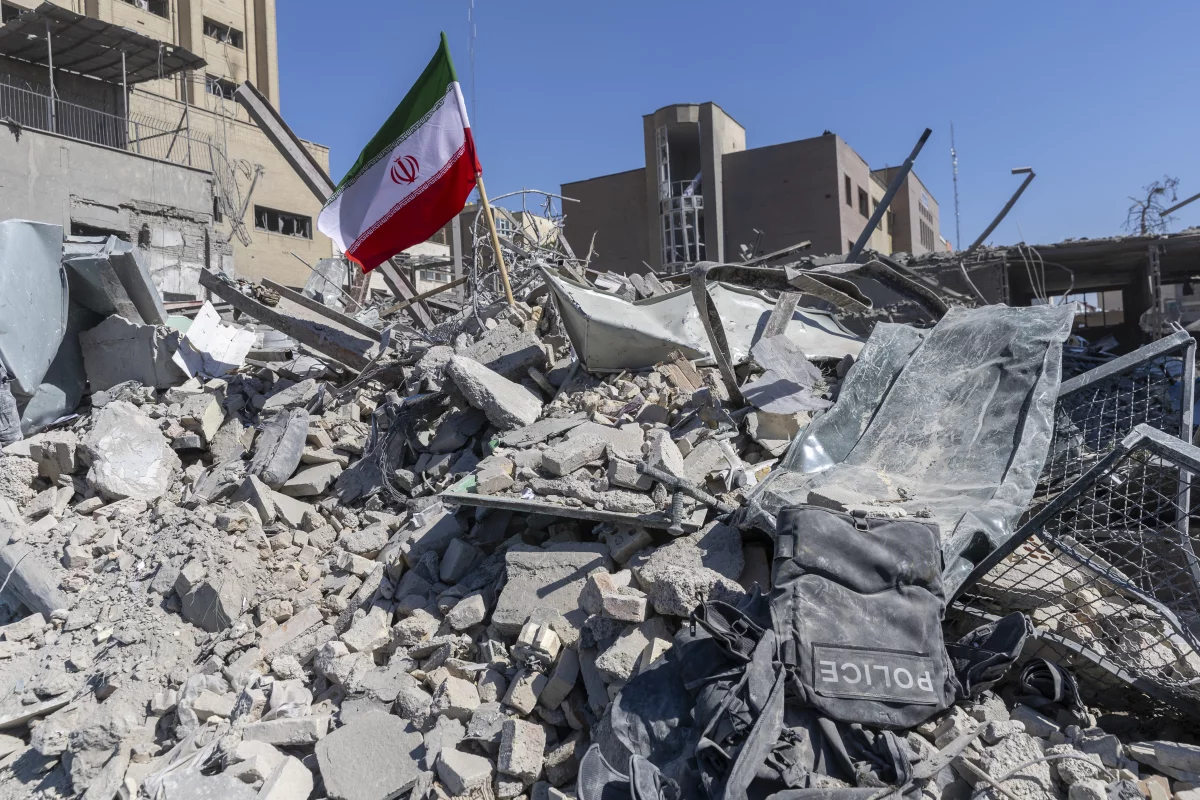
Fuel Supply Disruptions Hit East Africa and Ethiopia Leads the Alarm
On Monday, Abiy Ahmed issued a nationwide alert urging Ethiopians to conserve fuel. He warned that countries reliant on imported petroleum are struggling to secure adequate supplies due to the ongoing conflict in the Middle East. In a post on his official X account, he emphasized the need for careful fuel usage and prioritization for essential services.
Ethiopia’s Finance Minister Ahmed Shide further reinforced the government’s stance, urging measures to curb fuel consumption and raising domestic petroleum prices. The Ministry of Finance justified the price hike as a response to both global market fluctuations and logistical challenges stemming from supply disruptions. Analysts say these steps underscore the fragility of the regional fuel supply chain and hint at the cascading effects that could affect neighboring countries, including Kenya.
Kenya Maintains Stability Amid Regional Turbulence
Despite Ethiopia’s warnings, Kenya’s Energy and Petroleum Regulatory Authority (EPRA) announced that fuel prices would remain unchanged for the March-April cycle. Super Petrol continues to retail at Ksh178.28 per litre, Diesel at Ksh166.54, and Kerosene at Ksh152.78 in Nairobi. The decision brought relief to motorists who had braced for price hikes amid the Middle East crisis.
Kenya’s relatively stable situation stems from existing fuel reserves and the timing of imports. Current supplies were drawn from February-priced cargoes, meaning they were unaffected by the latest disruptions. Government-to-government agreements for fuel imports from Gulf states have also helped maintain stability, providing a buffer against immediate shortages.
However, authorities caution that the regional situation could affect future shipments. “We have adequate reserves for now, but the crisis in the Middle East requires close monitoring,” an EPRA official said.
Strait of Hormuz Tensions Pose Regional Threat
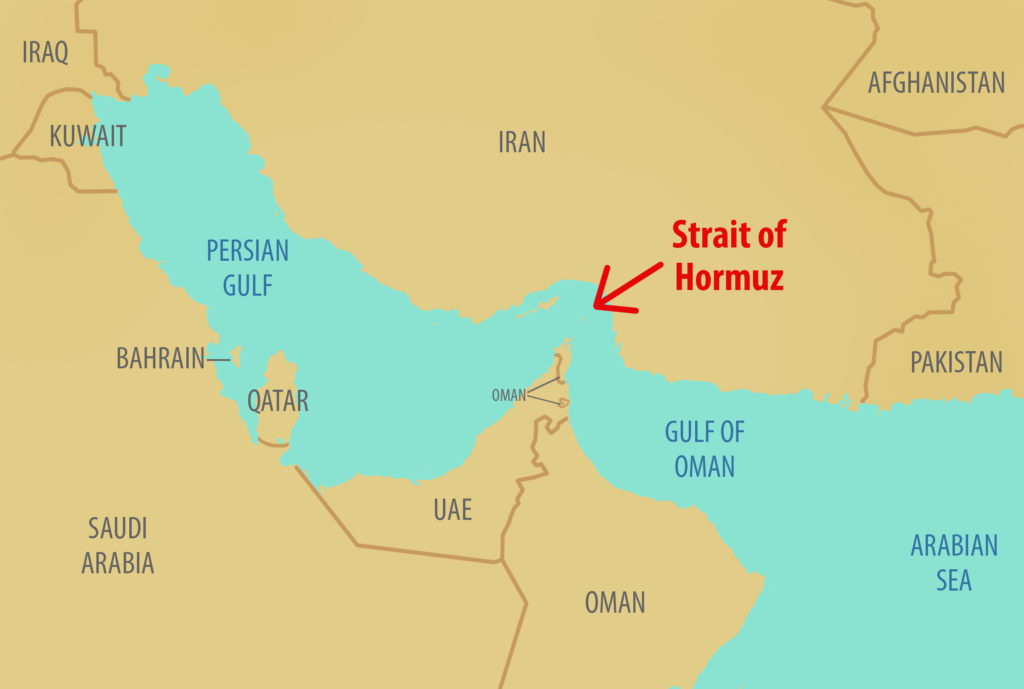
The Middle East conflict has intensified concerns over global fuel supply. Iran has threatened to close the Strait of Hormuz, a key waterway that transports roughly 21 percent of the world’s oil supply, including Saudi and UAE exports. A blockade or disruption could drastically affect East African import-dependent nations, including Kenya and Ethiopia, driving prices higher and straining essential services.
Experts warn that even short-term disruptions at the Strait could force countries like Kenya to adjust supply routes and rethink stockpiling strategies. “The risk is not theoretical. Any delay or blockage can immediately pressure local fuel markets,” said an energy analyst.
Regional Coordination and Public Preparedness
Kenyan authorities are engaging with regional partners to mitigate potential fuel crises. Government officials are monitoring shipments, evaluating stock levels, and preparing contingency plans should Middle East supply lines face interruptions. Public awareness campaigns emphasize responsible fuel usage, especially for critical services like transportation, healthcare, and emergency response.
Meanwhile, Ethiopia’s public appeal highlights a growing trend of regional cooperation in crisis response. Countries are increasingly acknowledging that disruptions in global supply chains can no longer be treated in isolation. The alert to conserve fuel is not only a domestic measure but also a signal to regional neighbors about the urgency of coordinated preparation.
Economic Implications of Fuel Supply Disruptions
Fuel supply disruptions have immediate economic consequences. Rising fuel costs impact transportation, agriculture, manufacturing, and household expenses. For Kenya, where the majority of fuel is imported, any sustained interruption in supply could ripple through inflation and daily living costs. Even minor delays in shipments could force adjustments in energy budgeting and government spending priorities.
Private sector operators also face uncertainty. Logistics firms, public transport operators, and industrial users rely on predictable fuel availability to maintain operations. Disruptions can affect delivery schedules, increase operational costs, and ultimately push prices of goods higher. Experts urge both governments and businesses to adopt proactive measures, including strategic reserves, efficient distribution, and fuel conservation campaigns.
Kenya’s immediate situation remains stable, but Ethiopia’s alert serves as a stark reminder of the region’s vulnerability. The Middle East crisis, coupled with threats to critical supply routes like the Strait of Hormuz, could test East Africa’s preparedness in the coming weeks.
Fuel supply disruptions are no longer a distant concern; they are an urgent regional challenge demanding vigilance, coordination, and responsible consumption to safeguard economies and daily life.