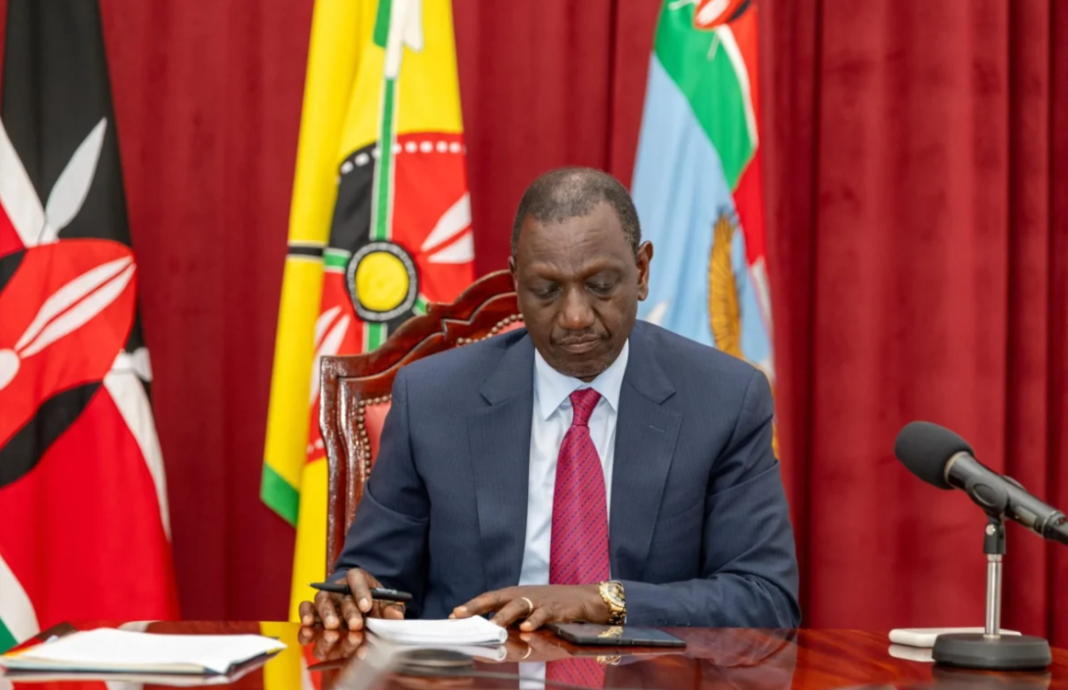
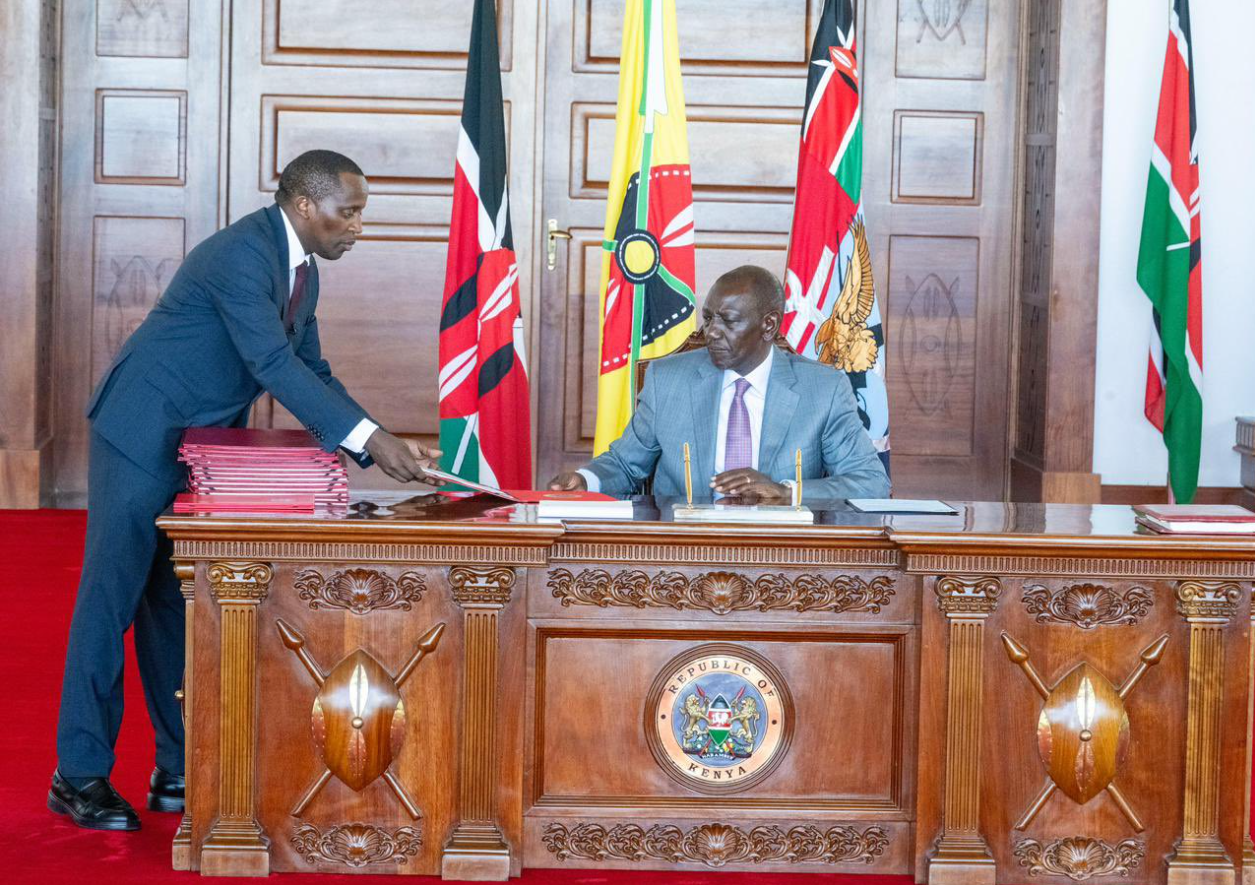
President William Ruto has approved the creation of a new fund designed to accelerate railway infrastructure financing in Kenya. The move follows the signing of the Miscellaneous Fees and Levies (Amendment) Act, 2026 at State House in Nairobi on Friday, March 13.
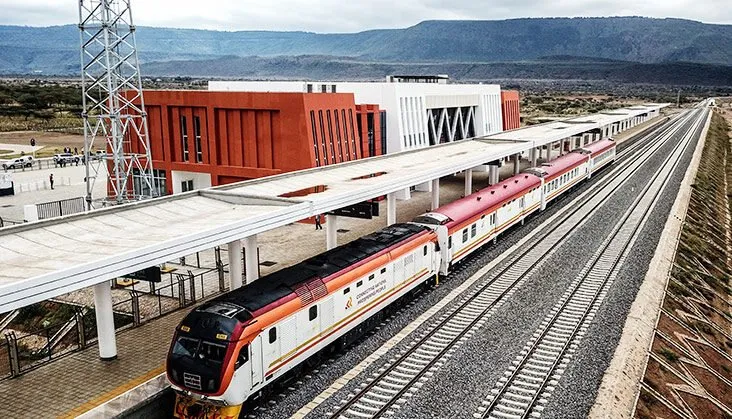
The new Railway Development Levy Fund (RDLF) will allow the government to channel billions collected through the Railway Development Levy into a dedicated account for railway expansion and rehabilitation. Officials say the initiative will strengthen the government’s ability to mobilize long-term financing for major transport projects, including upgrades to the Standard Gauge Railway.
The fund also opens the door for the Treasury to securitize future levy collections and raise additional funds through borrowing, potentially unlocking hundreds of billions of shillings for infrastructure development.
New Development Fund to Channel Billions From Railway Levy
Under the new law, more than Ksh35 billion already collected through the Railway Development Levy will be transferred into the newly established fund.
The Railway Development Levy is a charge imposed on imported goods entering Kenya. For years, the funds primarily supported construction and operations linked to the SGR project. However, the new legislation broadens the scope of how the money can be used.
Government officials say the change ensures railway funding becomes more predictable and better managed through a structured financial mechanism.
A statement from State House explained that the amendment supports the government’s goal of securing sustainable financing for railway transport infrastructure.
“The amended law supports the government’s policy objective of mobilising sustainable financing for strategic railway transport infrastructure while strengthening the institutional framework for management and utilisation of the levy,” the statement read.
Government Plans to Use Securitisation to Borrow More
One of the most significant provisions in the law allows the government to use the fund to secure additional borrowing.
The law states that up to 90 percent of the fund can be used as security to raise additional financing for railway projects. This process, known as securitisation, allows the government to borrow against predictable future revenues from the levy.
Kenya’s National Treasury has already experimented with similar financing models. In July 2024, the government increased the fuel levy from Ksh18 to Ksh25 per litre and securitised part of the revenue to raise funds for infrastructure projects.
Officials say the Railway Development Levy Fund will now operate under a similar framework, allowing the government to access capital faster without relying solely on traditional borrowing.
Fund Will Support Railway Expansion and Rehabilitation
The government says the fund will not only finance new railway lines but will also support other key activities in the sector.
Money from the levy may be used for:
- Construction of new railway infrastructure
- Rehabilitation of existing railway systems
- Operational support for railway networks
- Safety and economic regulation of railway transport
However, the law places oversight conditions on how the money is spent. Any rehabilitation projects financed through the fund must receive approval from both the Transport Cabinet Secretary and the Treasury Cabinet Secretary.
Officials say the dual approval process aims to strengthen accountability and ensure the funds are used strictly for transport infrastructure.
Road Projects Also Tied to Railway Fund Strategy
The Railway Development Levy Fund is also linked to the government’s broader infrastructure financing strategy.
In January, the government announced plans to securitise Ksh125 billion in short-term syndicated loans to finance ongoing road projects. According to reports, the Treasury plans to borrow Ksh60 billion in the first half of 2026, with the remainder expected in the 2026/27 financial year.
If successful, the strategy could push the total amount raised through fuel levy securitisation to around Ksh300 billion. In addition, the government plans to list a Ksh175 billion road bond on the Nairobi Securities Exchange to refinance earlier bridge loans used to fund road construction.
What the Move Means for Kenya’s Infrastructure Plans
The creation of the Railway Development Levy Fund signals the government’s intention to expand alternative financing models for large-scale infrastructure.
Rather than relying exclusively on external loans or direct government spending, the administration is increasingly turning to levy-backed funds and securitization to unlock capital.
Supporters argue the model provides a stable funding stream for long-term projects like railway expansion, which require billions in upfront investment. Critics, however, warn that borrowing against future revenue could increase financial pressure if collections fall short.
For now, the new fund gives the government a powerful financial tool to push forward railway development while attempting to reduce delays caused by limited budget allocations.
With billions already available and more borrowing expected, the Railway Development Levy Fund could become a central pillar of Kenya’s infrastructure financing strategy in the coming years.