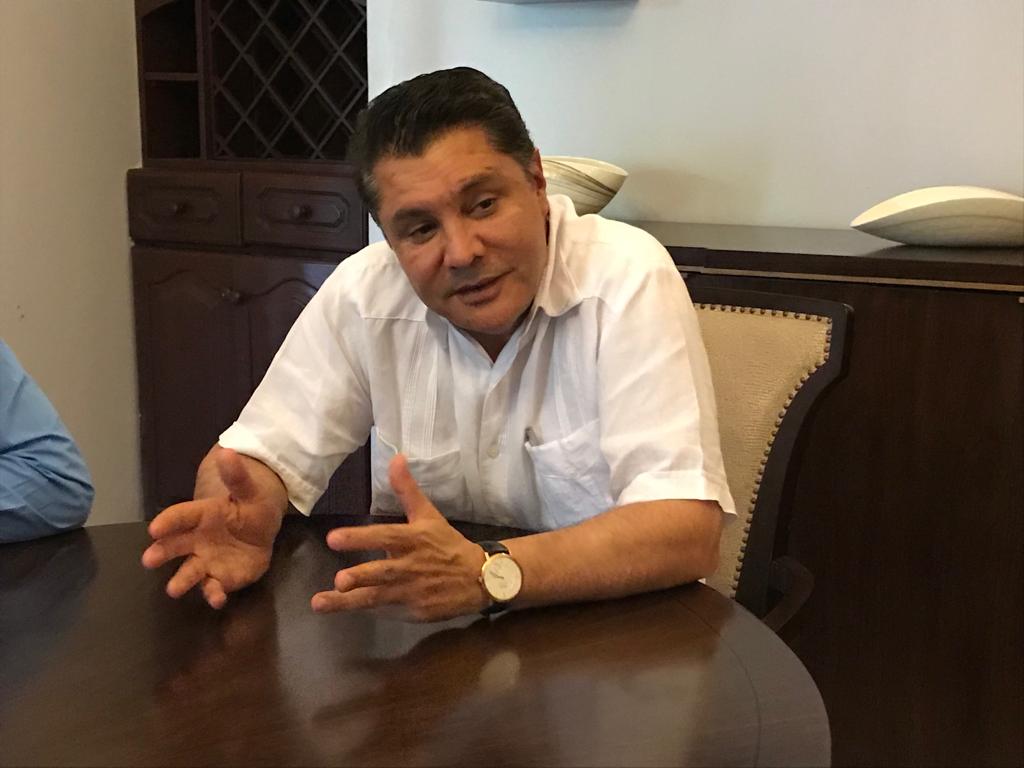
East Africa’s media industry faces a dramatic turning point after Tanzanian billionaire Rostam Azizi acquired a controlling stake in Nation Media Group (NMG). The deal hands him influence over one of the region’s most powerful media organizations.
Supporters portray the acquisition as a strategic investment, but critics point to Azizi’s long trail of controversies and corruption allegations. His political past, murky business dealings, and repeated links to powerful economic networks raise serious questions about the future of media independence in the region.
This investigative article examines Rostam Azizi’s corrupt past and why it matters for Kenya’s media landscape.
The Rise of Rostam Azizi and His Grip on East African Business
Rostam Azizi built his fortune through telecommunications, energy, and logistics. Over the years, he expanded his business empire across Tanzania and the wider region. His companies hold stakes in telecommunications networks, gas distribution through Taifa Gas, and several strategic sectors tied to government contracts.
Azizi also cultivated deep political connections during his time in Tanzanian politics. These connections opened doors to lucrative deals and positioned him among the most influential businessmen in East Africa. Critics argue that his success often relied on political influence rather than purely competitive business practices.
His latest acquisition of Nation Media Group marks a major shift in regional media ownership. The deal transferred the 54.08 percent controlling stake previously held by the Aga Khan Fund for Economic Development. Through NPRT Holdings Africa Limited, Azizi now holds majority control over a media company that operates more than 30 brands and reaches tens of millions of digital users.
While Azizi promises to preserve editorial independence, many observers remain skeptical. His history shows a pattern of blending business interests with political leverage.
Richmond Power Scandal and the Collapse of His Political Career
The most notorious episode tied to Rostam Azizi’s corrupt past is the 2008 Richmond Development Company scandal in Tanzania. The scandal revolved around a controversial power generation contract awarded to Richmond Development Company during an electricity crisis.
Investigations by a parliamentary committee linked the contract to political manipulation and questionable procurement processes. The report implicated several high-level officials and triggered political upheaval within the Tanzanian government.
Azizi faced accusations of facilitating the deal and using his influence to push the contract through government channels. Although he denied wrongdoing, the pressure forced him to resign from parliament.
The scandal shook Tanzania’s political establishment and became one of the country’s most infamous corruption cases. Even years later, the Richmond affair continues to define Azizi’s reputation in political and business circles.
Corporate Influence and Control of Media Platforms
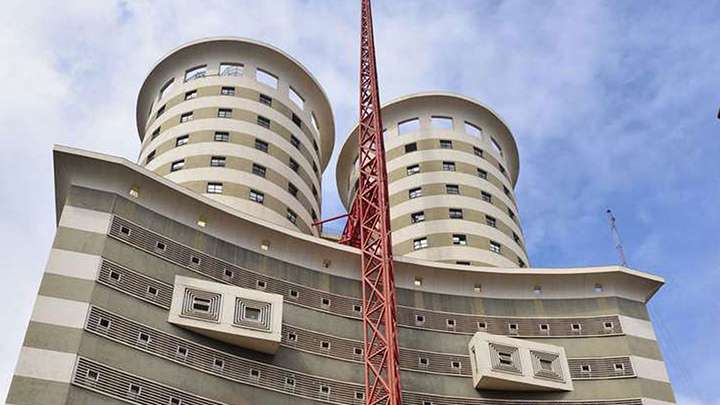
Another key element of Rostam Azizi corrupt past involves his strategic investments in media and telecommunications. Azizi previously owned stakes in influential media companies in Tanzania through New Habari Limited. These outlets controlled several newspapers that shaped political discourse within the country.
Critics argue that Azizi used media ownership to protect his business interests and influence public opinion. Owning major communication platforms gave him the power to shape narratives around controversial deals and political alliances.
His interests in telecommunications companies also raised eyebrows. Telecommunications networks are powerful tools for information control and economic influence. By holding stakes in both media and telecom sectors, Azizi built a network capable of amplifying political messaging and business agendas.
This pattern of consolidating influence through information channels now raises concerns in Kenya. Nation Media Group remains one of East Africa’s most respected journalism institutions. Observers worry that new ownership could slowly alter editorial priorities or soften coverage of powerful corporate interests.
New Controversies and Expanding Economic Power
Despite the controversies surrounding his past, Azizi has continued expanding his business empire. His company Taifa Gas dominates the liquefied petroleum gas market in Tanzania and has aggressively entered other African markets.
Recent reports have also linked Azizi to controversies surrounding the DP World port deal in Tanzania. Critics questioned the transparency of the agreement and raised concerns about the concentration of economic power among politically connected businessmen.
These developments reinforce concerns about Rostam Azizi’s corrupt past and its implications for corporate governance in the region. When powerful businessmen accumulate influence across energy, media, logistics, and telecommunications sectors, the line between business and political power becomes increasingly blurred.
For Kenya, the implications extend beyond business. Nation Media Group has long served as a watchdog over government and corporate power. If editorial independence weakens under new ownership, the consequences could ripple across the country’s democratic institutions.
Why the Azizi Takeover Matters for East African Media
The acquisition of Nation Media Group represents more than a corporate transaction. It signals a shift in who controls one of the most influential information platforms in East Africa.
Supporters argue that Azizi’s investment could strengthen NMG’s digital expansion and regional reach. They point to his financial resources and experience in large-scale business operations.
Critics, however, see a deeper risk. They argue that placing a major media institution under the control of a businessman with a controversial political history could undermine journalistic independence.
The debate now centers on whether NMG will maintain the editorial standards built over decades or gradually align with the interests of its new majority owner. The answer will shape the future of media freedom not only in Kenya but across East Africa.