President William Ruto has launched an ambitious infrastructure financing model that could reshape how Kenya builds major public projects. The government will use the newly created National Infrastructure Fund to mobilize more than Ksh5 trillion over the next decade for strategic development projects.
The expansion of Jomo Kenyatta International Airport will be the first project funded through the initiative. Ruto believes the new financing model will unlock private investment and accelerate stalled projects without placing heavy pressure on government borrowing. The fund introduces a new structure designed to attract pension funds, insurers, and development investors into Kenya’s infrastructure sector.
National Infrastructure Fund Opens New Financing Model for Mega Projects
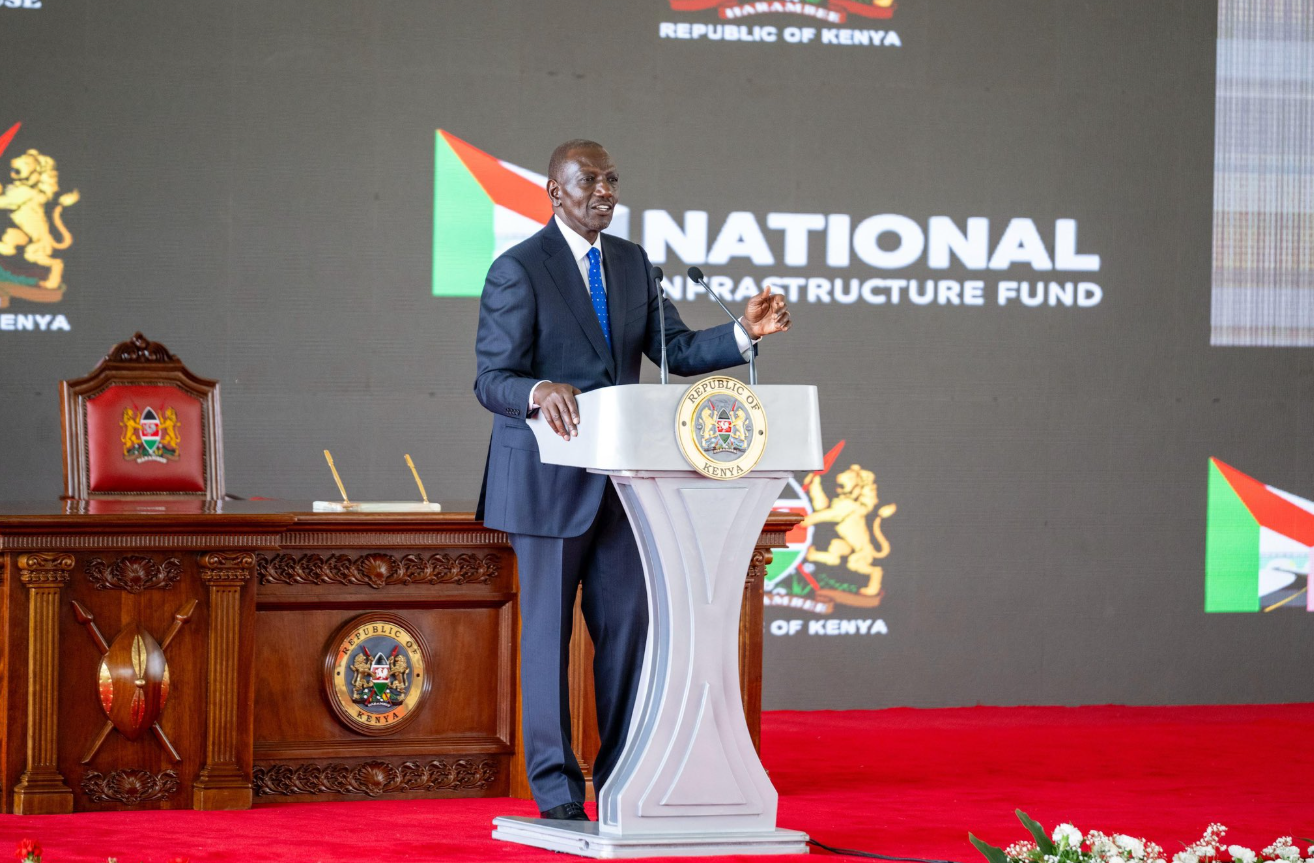
The National Infrastructure Fund marks a major shift in how the government intends to finance large-scale development projects.
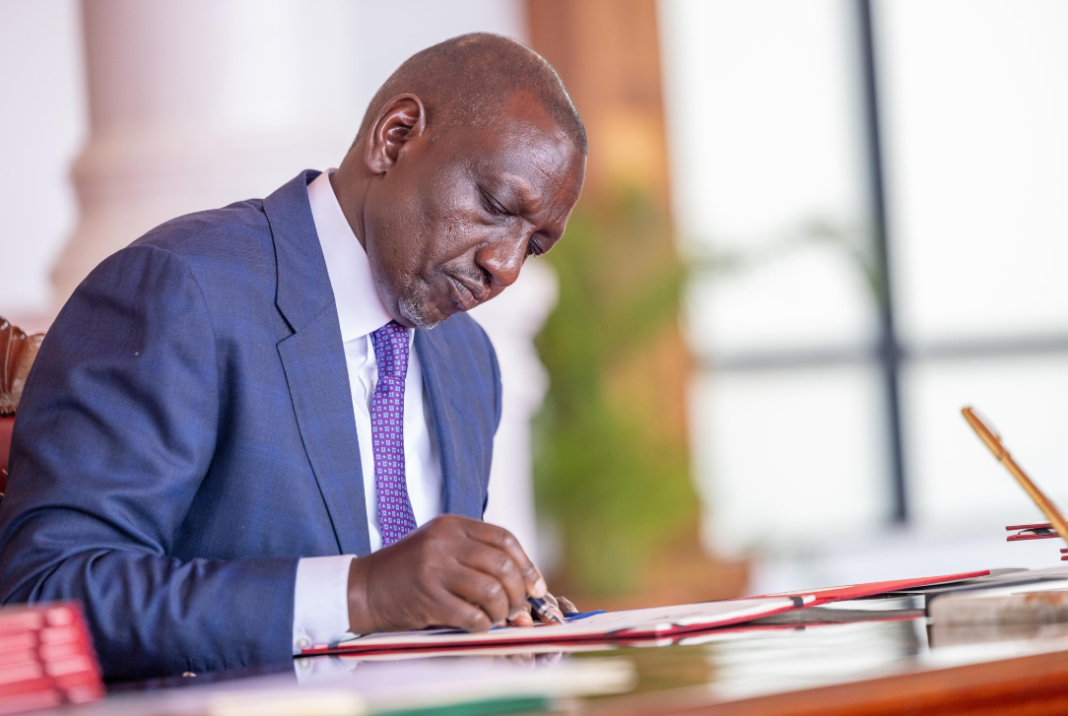
President William Ruto signed the National Infrastructure Fund Bill into law on Monday, March 9, officially launching the new funding mechanism. The fund aims to mobilise more than Ksh5 trillion within the next ten years to finance strategic national infrastructure.
The government designed the fund to attract institutional investors rather than relying entirely on public debt.
Under this structure, the fund will operate as a body corporate. It will have the legal authority to own property, enter contracts, and invest directly in infrastructure projects. However, the law strictly prohibits the fund from borrowing money or taking credit against its balance sheet.
This restriction aims to protect the fund from excessive debt exposure while ensuring transparency and long-term sustainability.
Ruto described the fund as a game-changing platform that will bring together public and private capital to finance large projects that have long faced funding delays.
JKIA Expansion Becomes the First National Infrastructure Fund Project
The expansion of Jomo Kenyatta International Airport will be the first major project financed through the National Infrastructure Fund.
Ruto announced that the government will inject Ksh20 billion as seed capital to kick-start the airport expansion. The money will come from proceeds generated by the sale of shares in Kenya Pipeline Company.
The president said the airport expansion will serve as a test case for the fund’s financing model.
JKIA, which has operated for more than 68 years, remains the country’s busiest international gateway. Government planners believe its expansion will increase passenger capacity, improve cargo handling, and strengthen Kenya’s position as a regional aviation hub.
Ruto insisted the project demonstrates how the fund can unlock large-scale investments without placing additional strain on the national budget.
Government Invites Pension Funds and Insurers to Invest

According to Ruto, the model allows long-term investors to participate in infrastructure projects that generate steady returns over time.
“We have just announced the contract for the expansion of JKIA, and we will use Ksh20 billion from the proceeds of the Kenya Pipeline IPO as the seed money,” the president said.
He encouraged investors to seize the opportunity and participate in projects that could transform Kenya’s transport, logistics, and energy infrastructure.
Economists argue that pension and insurance funds often seek stable long-term investments. Infrastructure projects funded through a regulated vehicle such as the National Infrastructure Fund could therefore offer attractive opportunities.
Governance Structure Designed to Safeguard Independence
The government has also created a governance framework intended to shield the National Infrastructure Fund from political interference. The fund will operate under a seven-member Board of Directors chaired by an independent director.
John Mbadi, the Cabinet Secretary for the National Treasury, will sit on the board alongside four independent directors and two development banking experts.
Strict rules will prevent board members from holding recent government positions or maintaining political affiliations. These safeguards aim to strengthen transparency and public confidence in the fund’s operations.
The oversight structure also introduces multiple reporting layers.
The board will submit reports to the Treasury Cabinet Secretary four times each year. The Treasury will then report to the Cabinet at least twice annually, while the government will present an annual report to the National Assembly.
Mbadi explained that this multi-level oversight will ensure accountability while maintaining professional management of the fund. The launch of the National Infrastructure Fund signals the government’s attempt to create a sustainable pipeline of financing for projects that have long struggled to secure capital.
If successful, the fund could transform how Kenya finances airports, highways, ports, and energy infrastructure over the coming decade. The expansion of JKIA will now serve as the first major test of whether this new financing model can deliver the scale of investment the country needs.