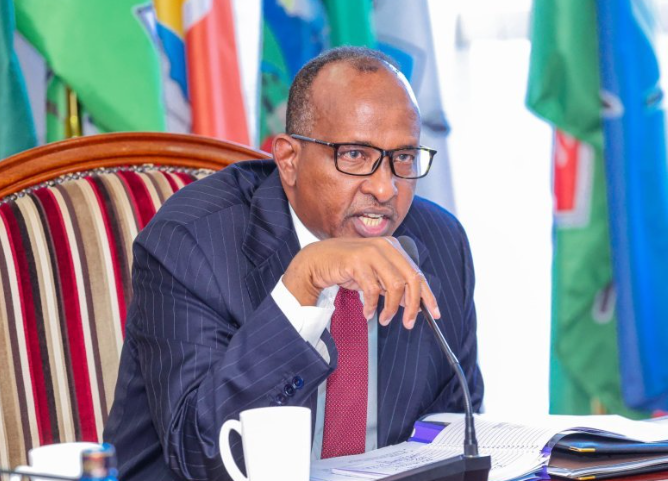
Kenya’s health sector is facing fresh tension as teachers threaten nationwide protests over the Social Health Authority program. Health Cabinet Secretary Aden Duale has now pushed back strongly, insisting the Teachers SHA system is working and already serving hundreds of thousands of educators.
According to government data, more than 249,000 teachers and their dependents have received treatment under the new system since the transition from the Public Officers Medical Scheme Fund. Duale says the numbers prove the system is operational nationwide.
Teachers’ unions disagree, claiming hospitals are turning educators away and forcing them to pay cash despite ongoing salary deductions. The dispute exposes a deeper struggle over healthcare access, hospital payments, and confidence in the government’s flagship medical reforms.
Teachers’ SHA Usage Data Contradicts Union Claims
The Ministry of Health argues that real service data contradicts claims that teachers are being denied care under the Teachers SHA system.
In a press statement issued on March 5, Duale dismissed claims that teachers are stranded in hospitals or unable to access treatment. He said official performance reviews show thousands of educators are actively using the program every day.
According to the ministry, over 249,000 teachers and their dependents have already visited health facilities and successfully received treatment since the transition of the Public Officers Medical Scheme Fund into the Social Health Authority system.
Duale said the government introduced the reform to strengthen healthcare access for public servants while expanding coverage to their families.
“To set the record straight and dispel any narrative suggesting that teachers are being turned away or denied care, the data speaks for itself,” Duale stated.
He added that the government continues to monitor performance indicators and service delivery to ensure teachers receive uninterrupted healthcare across the country.
Government figures show teachers have accessed treatment in 2,823 health facilities nationwide, indicating broad hospital participation in the program.
The ministry also revealed that teachers’ medical claims have already surpassed Ksh3.5 billion, a figure officials say demonstrates the scale of services already delivered.
Counties leading in Teachers SHA hospital visits
Data released by the Ministry of Health highlights significant regional usage of the Teachers SHA system. Nairobi County leads in the number of claims submitted by teachers seeking treatment. More than 30,000 hospital visits have been recorded in the capital alone, with claims valued at approximately Ksh527.7 million.
Uasin Gishu County ranks second with more than 29,000 claims, amounting to around Ksh463.2 million. The county’s large number of teachers and concentration of major hospitals appear to drive the high usage numbers.
Other counties reporting heavy use of the Teachers SHA system include Meru and Bungoma, where combined claims exceed 63,000 cases.
Additional regions showing strong uptake include Kisii, Kisumu, Nakuru, Kiambu, Trans Nzoia, and Kericho. Health officials say the spread across counties proves the system is operating nationwide rather than in isolated pockets.
The government argues that these figures reflect real medical services delivered to teachers and their families rather than theoretical coverage.
Teachers unions raise alarm over hospital access
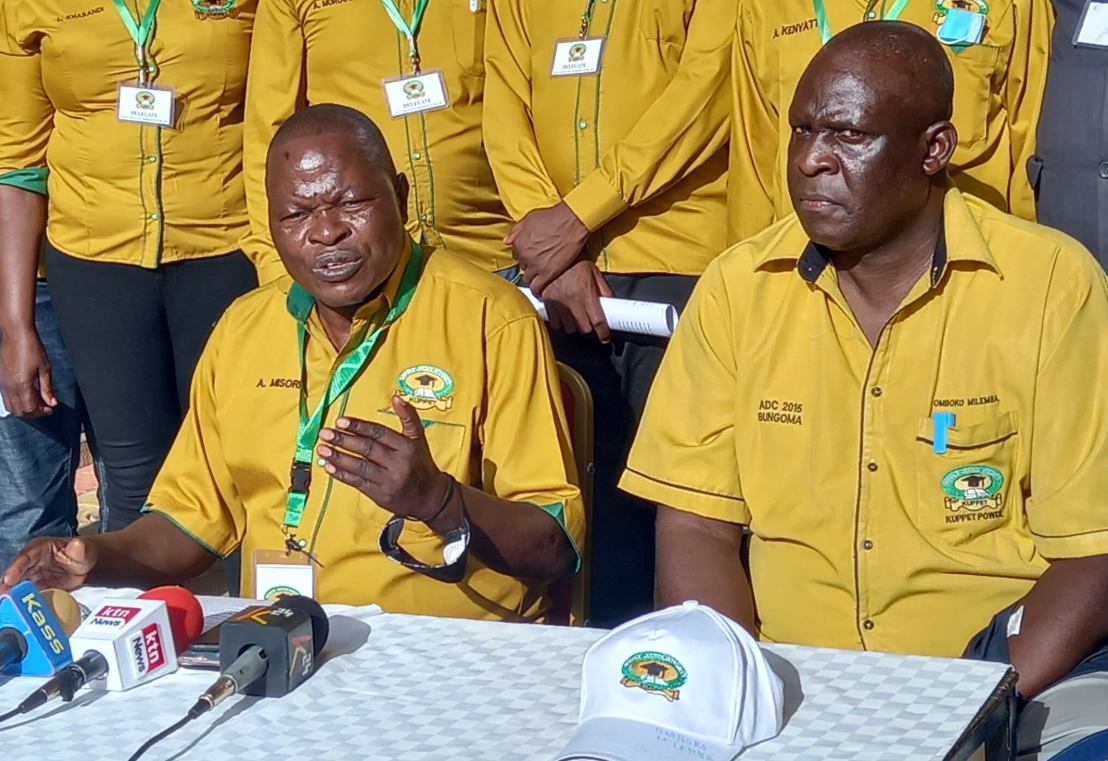
Despite the ministry’s statistics, teachers’ unions insist the situation on the ground tells a different story. The Kenya Union of Post-Primary Education Teachers has threatened a nationwide strike within seven days if the government fails to address problems within the Teachers SHA system.
Union leaders claim many teachers are struggling to access healthcare because hospitals are withdrawing services due to unpaid government claims. KUPPET Secretary-General Akello Misori said the crisis intensified after private hospitals under the Rural Private Hospitals Association suspended services for some public servants.
According to the association, the government owes private hospitals more than Ksh30 billion in unpaid medical claims accumulated over the past ten months. Misori argues that the standoff has created confusion in hospitals, leaving teachers uncertain whether they will receive treatment.
Union officials also claim the system experiences frequent technical breakdowns that delay approvals for treatment. Teachers have reported cases where hospitals demand cash payments while waiting for the SHA system to process authorization.
Some hospitals have also complained about complicated pre-authorization procedures that slow down patient admissions. These complaints have fueled frustration among teachers who say they contribute significantly to the health scheme through monthly deductions.
Government urges teachers to trust the system
Despite the criticism, Duale maintains that the Teachers SHA system remains functional and accessible. He urged teachers to continue visiting contracted health facilities across the country and assured them the government remains committed to protecting their health and dignity.
The ministry insists that ongoing reforms will strengthen the system and resolve operational challenges as the transition continues.
Officials say healthcare transformation on the scale of the Social Health Authority inevitably faces early disruptions, but the long-term goal is to build a stronger and more efficient national health insurance system.
For now, the growing confrontation between the government and teachers’ unions signals a deeper policy battle that could shape the future of public healthcare in Kenya.
If protests proceed, the Teachers SHA program may face its first major political test as educators demand proof that the system can deliver reliable healthcare when they need it most.