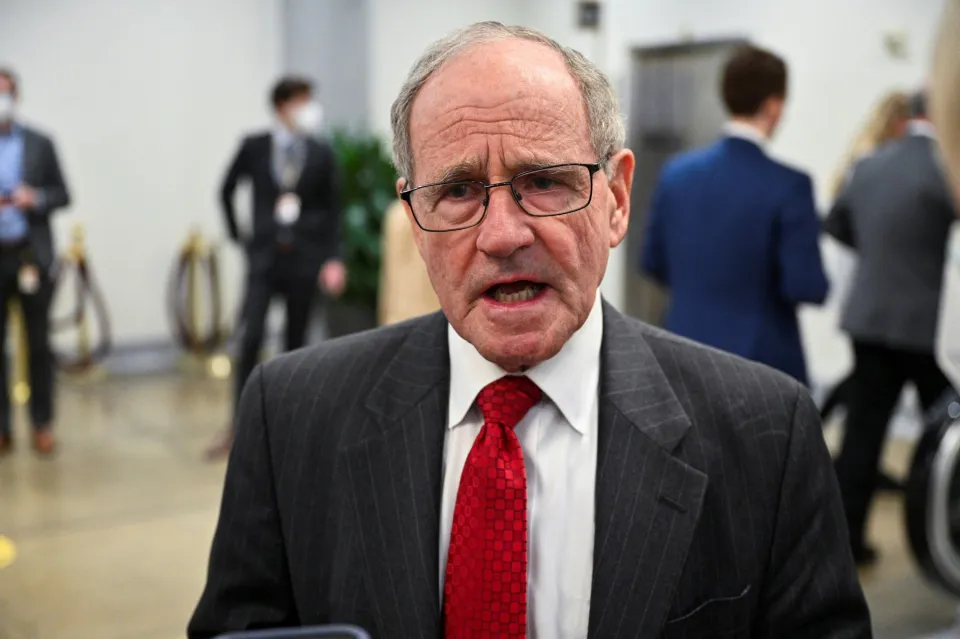
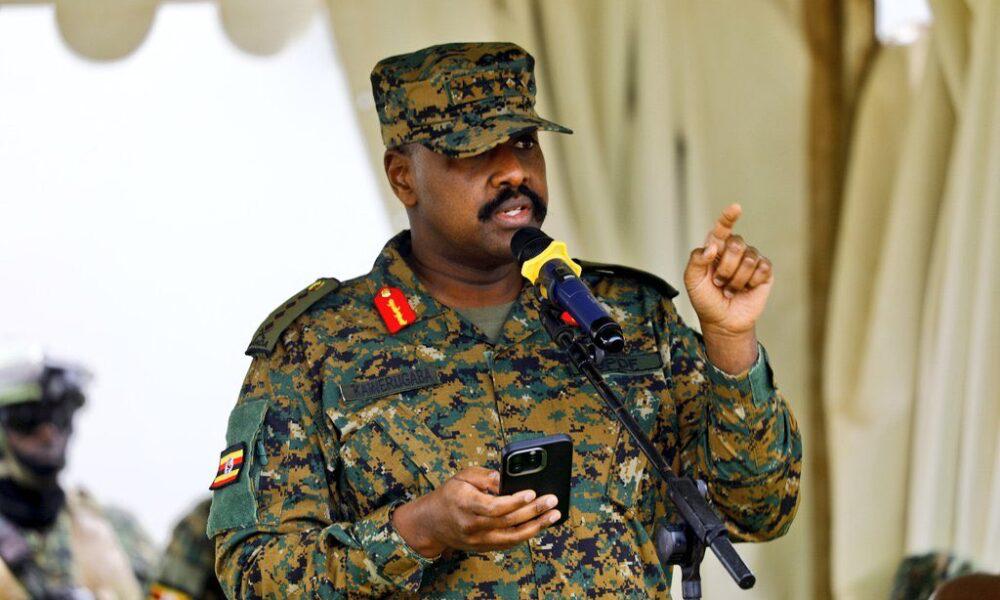
Ugandan General Muhoozi Kainerugaba’s public apology to the United States has hit a wall. U.S. Senator Jim Risch, chairman of the Senate Foreign Relations Committee, dismissed the apology as hollow and inadequate.
The senator has called for tougher sanctions against Uganda and urged Washington to review security ties with Kampala. The controversy stems from Muhoozi’s controversial social media posts during Uganda’s disputed January elections, which triggered international condemnation and strained diplomatic relations with one of Uganda’s most important allies.
Senator Risch Demands Stronger Action
Senator Risch, speaking on Friday, January 30, said Muhoozi had crossed a red line despite deleting his posts and issuing an apology. “Deleting tweets and offering apologies does not match the gravity of his actions,” Risch said. The senator described Muhoozi’s behavior as reckless, warning that it posed a potential threat to U.S. interests and regional stability.
Risch specifically called on the Trump administration to reassess its military and security partnerships with Uganda. He urged measures that include sanctions and a review of cooperation with the Uganda People’s Defence Forces (UPDF). The senator emphasized that Washington could not tolerate instability in the region, particularly when U.S. personnel, interests, and civilians were potentially at risk.
The controversy centers on Muhoozi’s conduct during and after Uganda’s disputed general elections, where opposition leader Bobi Wine alleged human rights abuses by government forces. The U.S. had previously warned Kampala about the risks posed by violence against civilians, raising the stakes for Muhoozi’s social media activity.
Muhoozi’s Apology Fails to Convince Washington
Earlier on January 30, Muhoozi issued a public apology to the United States, acknowledging that his tweets had attracted international criticism. He admitted he had been misinformed and had deleted the controversial posts. Muhoozi insisted that relations between Uganda and the United States remained intact and that military cooperation would continue.
Despite these assurances, Risch argued that the apology was insufficient. He noted that a single public statement could not erase the international concern over Muhoozi’s remarks. The senator stressed that actions, not words, should restore confidence between the two nations.
This episode highlighted a deep rift between Uganda’s military leadership and the U.S., raising questions about Kampala’s commitment to protecting human rights and adhering to international norms.
Diplomatic Fallout and Embassy Intervention
Uganda moved quickly to ease tensions through its embassy in Washington. Ambassador Adonia Ayebare intervened to calm diplomatic relations, maintaining that Uganda’s relationship with the United States remained strong and mutually beneficial. Ugandan officials insisted that the apology and dialogue had resolved the issue, emphasizing that military cooperation and bilateral ties would continue without disruption.
However, Risch’s statement undermined these assurances, signaling that the United States might still consider additional measures. Analysts say this episode could trigger a broader review of U.S. aid, security assistance, and military cooperation with Uganda, especially if future conduct by the UPDF or political leaders threatens regional stability.
The backlash against Muhoozi began with his social media posts claiming responsibility for violent actions during the elections, including the killing of 22 supporters of the National Unity Platform (NUP). These posts provoked global condemnation and prompted calls for accountability from human rights groups and foreign governments alike.
President Yoweri Museveni, securing a seventh term with 7.9 million votes against Bobi Wine’s 2.7 million, has faced mounting criticism over the conduct of the elections. Muhoozi’s comments intensified international scrutiny, making the apology a necessary but insufficient step in repairing Uganda’s diplomatic image.
The Stakes for U.S.-Uganda Relations
The incident underscores the fragility of Uganda’s relations with one of its key allies. U.S. sanctions could have significant implications for Kampala, affecting military cooperation, foreign aid, and regional influence. Senator Risch’s insistence on stronger measures sends a clear message: diplomatic gestures like apologies must be backed by concrete reforms and accountability.
Experts say that Washington’s response will be closely watched across Africa. It could redefine the limits of acceptable conduct for political and military leaders in Uganda and other nations with strong U.S. partnerships. The question now is whether Muhoozi’s apology can translate into genuine changes or if the United States will escalate its response to deter future reckless behavior.
The situation remains fluid, with both Uganda and the United States navigating a delicate balance between maintaining security cooperation and upholding international standards of human rights and accountability. Risch’s rejection of Muhoozi’s apology signals that diplomacy alone may not suffice. Concrete action may be the only way to restore trust and prevent further deterioration in bilateral ties.