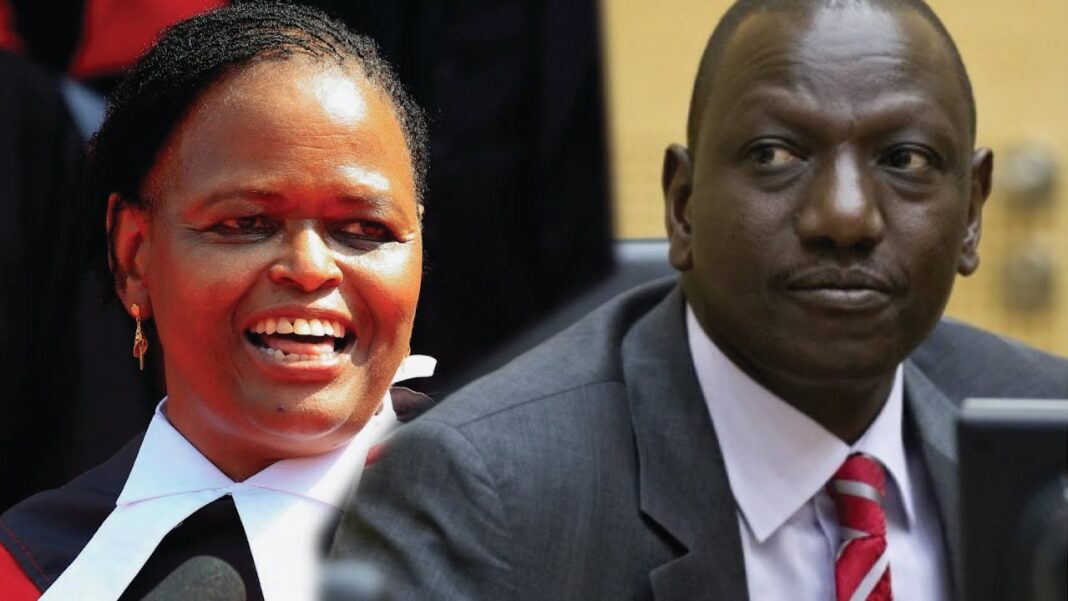
President William Ruto has taken his frustration with the judiciary to the heart of State House. Standing before Chief Justice Martha Koome and senior judges, Ruto accused courts of frustrating his development agenda through controversial rulings. He argued that judges are blocking projects backed by millions of voters.
The president insisted that court decisions against his policies hurt ordinary Kenyans. His remarks mark one of the strongest public confrontations yet over rulings against Ruto Projects, raising fresh questions about the separation of powers and democratic mandate.
Ruto Confronts Judiciary Over Rulings Against Ruto Projects
Ruto spoke during the swearing-in of Court of Appeal judges at State House, Nairobi. He chose the moment carefully. Top judicial leaders sat before him, including CJ Koome and Deputy Chief Justice Philomena Mwilu. The setting gave his words maximum weight.
The president said several court rulings directly clash with the mandate Kenyans gave him in 2022. He argued that voters approved his manifesto and expected swift implementation. According to Ruto, judicial decisions have delayed or blocked policies meant to improve livelihoods.
He warned that such rulings carry real consequences. Ruto said ordinary Kenyans suffer when courts suspend projects tied to jobs, infrastructure, and public services. He described some judgments as judicial overreach. He went further and echoed critics who label them judicial tyranny.
Despite his frustration, Ruto insisted his administration respects the rule of law. He said the government has complied with court orders, even when judgments derail major plans. He rejected claims that his administration ignores the Judiciary.
Ruto also announced plans to seek legal clarity on the status of party manifestos. He questioned where a manifesto stands once courts challenge its implementation. He said millions vote based on these policy documents. He wants the courts to clarify whether manifestos carry legal weight.
He framed the move as respectful engagement, not defiance. Ruto said if manifestos hold no legal value, leaders should stop campaigning on them. His remarks signaled a deeper pushback against rulings Ruto projects that stall executive action.
High Court Decisions Fuel Tension
Recent court rulings have sharpened the conflict. The most damaging setback came from the High Court’s decision on Ruto’s presidential advisors. In 2025, Ruto appointed 21 advisors to support his administration. The court declared those appointments unconstitutional.
Justice Bahati Mwamuye ruled that the president failed to consult the Salaries and Remuneration Commission. The law requires SRC to assess the financial impact of such appointments. The judge issued injunctions stopping the government from paying salaries or benefits.
The ruling forced all 21 advisors to vacate office immediately. The decision embarrassed the administration and reinforced criticism that rulings against Ruto projects cut deep into executive authority.
In December, the High Court also froze the National Infrastructure Fund. Petitioners challenged its legality, arguing it violated the Constitution. The court issued temporary orders stopping its implementation.
Ruto has strongly supported the fund. He views it as a key driver of economic transformation. He argues it would finance roads, housing, and strategic infrastructure. The suspension dealt another blow to his agenda.
The petitioners, including Dr Margaret Gikenyi and others, insisted the fund lacked proper legal grounding. The case remains active, keeping one of Ruto’s flagship ideas in limbo.
Executive Orders and Constitutional Limits
Another ruling in November struck down Ruto’s Executive Orders on public hiring. The orders aimed to restructure recruitment in state corporations. Ruto wanted agencies to seek approval from Cabinet Secretaries and the State Corporations Advisory Committee.
The High Court nullified the orders. Judges ruled they violated constitutional provisions. The Law Society of Kenya backed the decision. LSK argued the orders undermined the Public Service Commission’s mandate under Article 234.
According to LSK, the changes opened the door to political interference. They risked eroding merit, professionalism, and independence in public service. The ruling added to the growing list of rulings against Ruto projects.
Together, these cases reveal a judiciary willing to check executive power aggressively. They also show an administration increasingly impatient with judicial constraints.
Ruto’s public rebuke of judges marks a critical moment. It highlights a widening rift between two arms of government. The coming months will test whether dialogue, petitions, or confrontation will define the path forward.