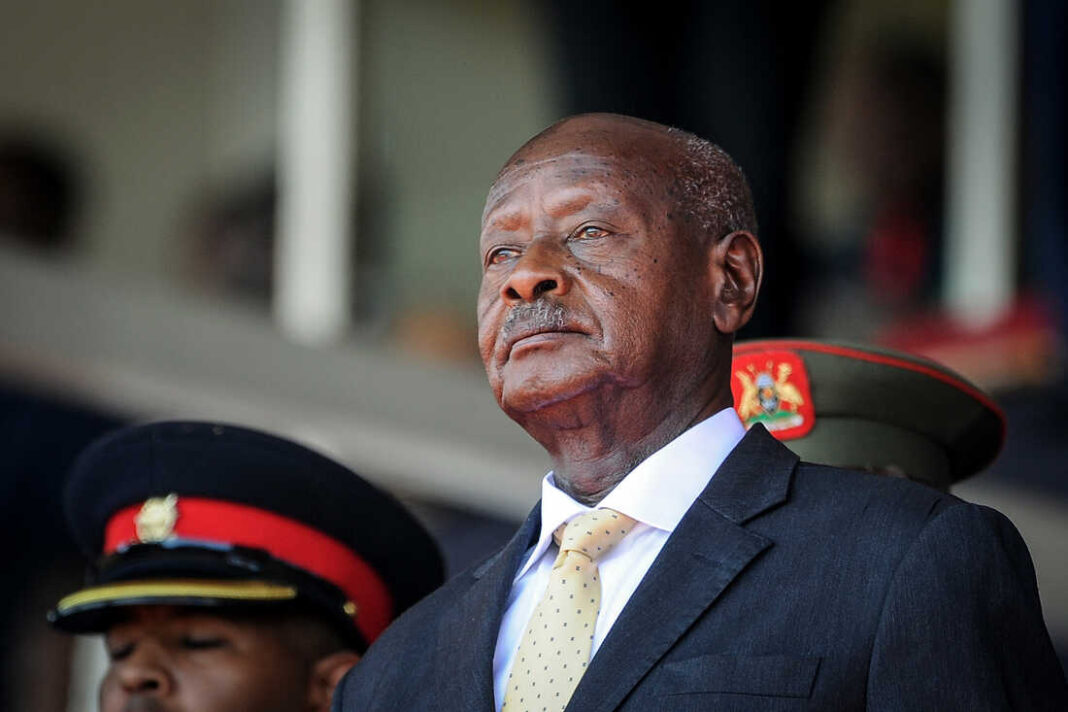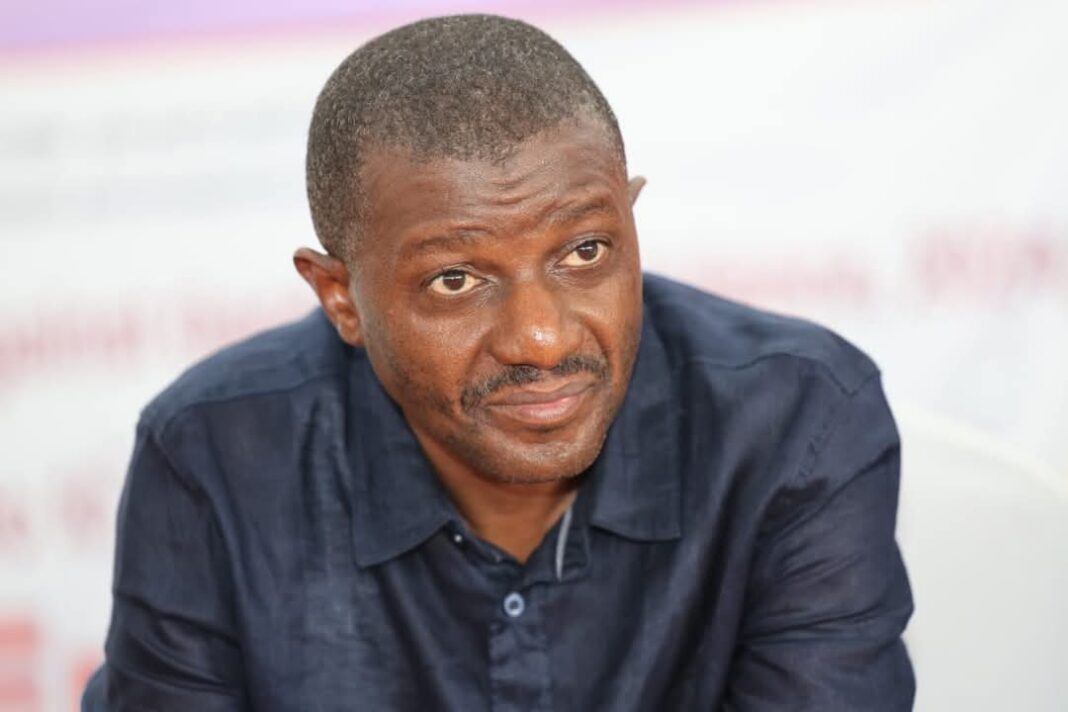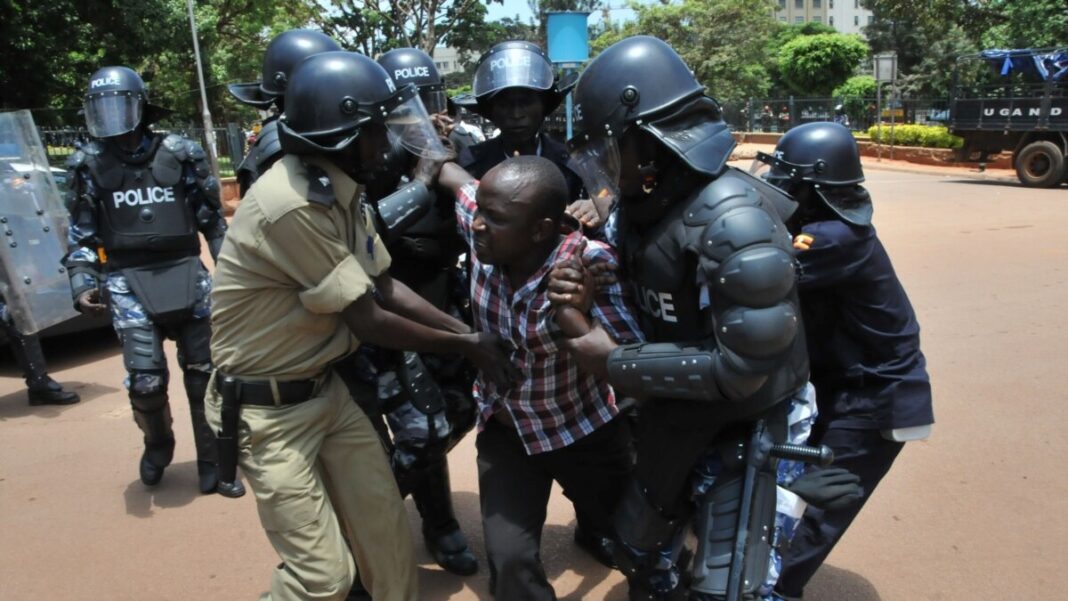
Uganda’s post-election violence has turned celebration into mourning and exposed a familiar pattern of force, fear, and impunity. At least 12 people now lie dead across central Uganda and Kampala as security forces clash with angry opposition supporters. What began as protests over disputed results has spiraled into shootings, arson, mass arrests, and night raids.
Families say their loved ones were not rioters but ordinary voters demanding answers. The chaos has left communities shaken, roads burned, and confidence in the vote badly bruised. Trust in institutions keeps slipping fast today.
How Uganda’s Post-Election Violence Unfolded
The violence did not start in the streets of Kampala. It began quietly at polling stations on Thursday evening, January 16, as counting dragged on and tension rose.
Supporters in several districts questioned results they believed had been manipulated. Security units moved in quickly, often with live ammunition. Confrontations followed within minutes. By nightfall, gunfire echoed in villages that had never heard such sounds.
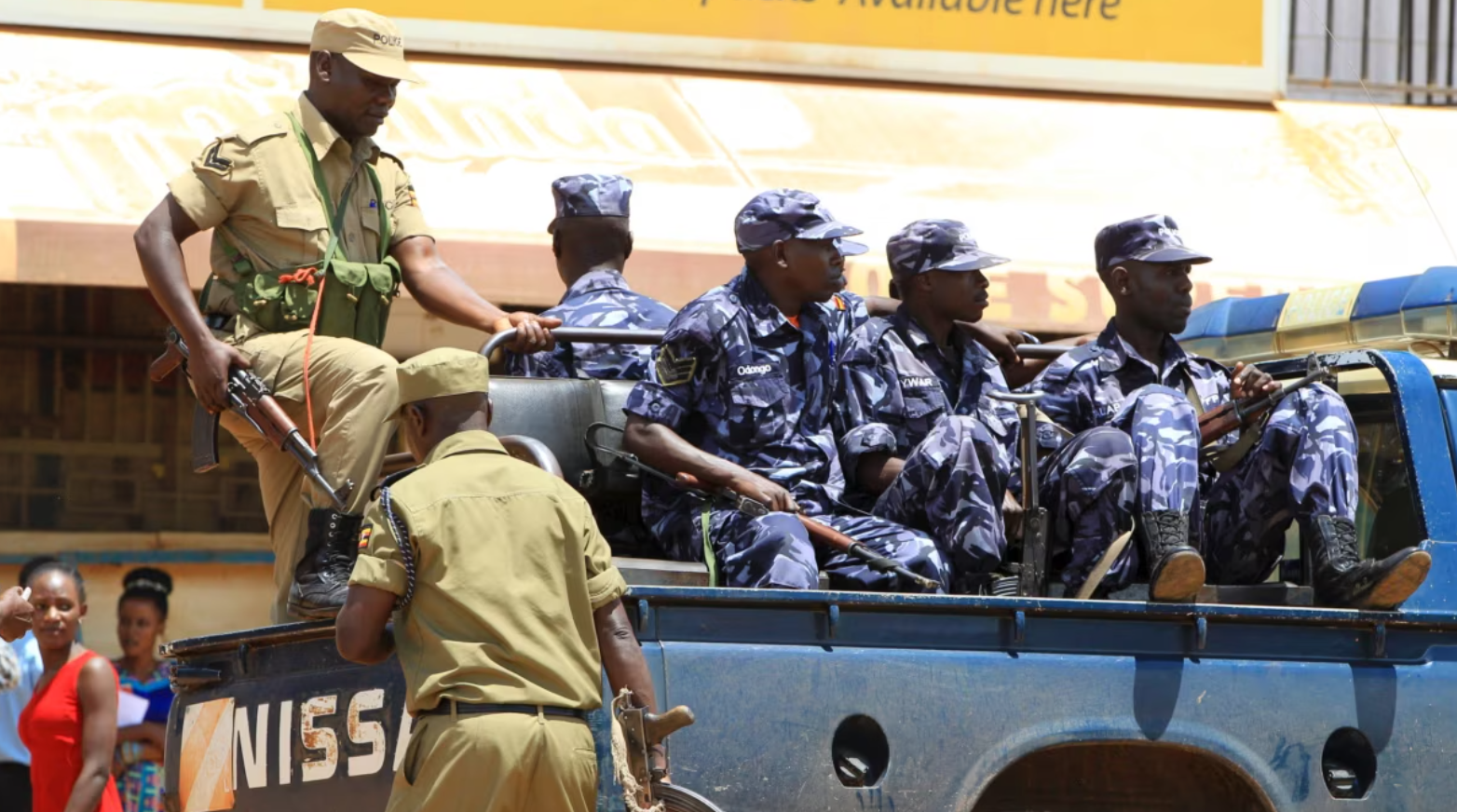
What followed looked less like crowd control and more like a coordinated crackdown. Police set up checkpoints, arrested protesters, and sealed off entire neighborhoods. Witnesses say soldiers patrolled roads in armored vehicles while plainclothes operatives roamed on motorbikes.
By Friday morning, the unrest had spread from rural districts to the capital. Smoke rose over major roads in Kampala as angry youths blocked traffic with logs, stones, and burning tires. Businesses shut their doors. Commuters fled.
Officials insisted they were restoring order. Residents say they were punishing dissent.
Butambala becomes ground zero
Butambala District suffered the worst bloodshed in Uganda’s post-election violence. Seven people died thereafter security officers opened fire on supporters linked to incumbent MP Muhammed Muwanga Kivumbi, a close ally of opposition leader Bobi Wine. Locals say the victims were unarmed. Police claim the crowd attacked them first.
Regional Police Commander Lydia Katushabe said protesters stormed vote-counting centers three times. She alleged they brought a jerrycan of fuel, sprinkled it in an office, and set it ablaze.
Her words did little to calm anger. Families of the dead rejected the narrative outright. They say their relatives were shot while trying to protect ballot boxes.
Three more people left Butambala with gunshot wounds. Police also arrested 25 residents, accusing them of assaulting officers. Lawyers have yet to access many detainees.
Kivumbi, who lost his seat to independent candidate Erias Mukiibi, denied all claims that his supporters burned offices. He accused security forces of using excessive force to intimidate voters.
From villages to Kampala streets
Uganda’s post-election violence did not stop in Butambala. Five more people died in Luweero and Kalungu during separate clashes linked to the vote. Details remain murky, but families in both districts report similar stories of sudden shootings.
In Kampala’s Makindye Division, chaos erupted at dawn on Friday. Protesters barricaded key roads, lit fires, and clashed with riot police. Shops closed, schools shut, and transport ground to a halt.
Deputy Kampala police spokesman Luke Owoyesigyire said officers deployed overnight to “address the disturbance,” but admitted operations were still ongoing. Residents say security units fired tear gas and rubber bullets indiscriminately.
In Kayunga District, anger flared after results showed NRM candidate Jackline Birungi leading over National Unity Platform candidate Harriet Nakuwadde. NUP supporters marched in protest. The situation quickly turned violent.
Demonstrators attacked and torched NRM district offices. They also looted more than Ush5 million meant for party agents. The ruling party condemned the act as criminal. Protesters called it retaliation for what they termed “stolen votes.”
Even more disturbing reports emerged along Entebbe Road. Witnesses described armed men in military uniforms raiding polling stations, firing shots, and fleeing with ballot boxes. No agency has claimed responsibility.
Meanwhile, the Electoral Commission released provisional presidential results on Friday, January 16, 2026. Out of 21.6 million registered voters, President Yoweri Museveni stood at 61.7 percent while Bobi Wine trailed with 33.6 percent.
Opposition leaders rejected the figures, accusing the state of rigging. Government officials insisted the process was credible. On the ground, the dead told a different story.
A democracy paid in blood
Uganda’s post-election violence has left scars that will outlast this election cycle. Families now bury loved ones who never saw final results. Communities live under heavy security presence.
Roads remain blocked in several areas. Police continue mass arrests. Human rights groups are documenting cases of excessive force.
The pattern looks painfully familiar. Every election promises peace. Every result delivers fear.
As tallying continues, the question is no longer just who won. It is how many more lives the country will lose before the guns fall silent.