On a tense Ugandan election day, Washington dropped a diplomatic bombshell. President Donald Trump’s administration placed Uganda on a sweeping visa freeze affecting 75 countries, deepening fears of economic, political, and human consequences.
The decision landed as polling stations opened, creating shock, confusion, and anger across Kampala, regional capitals, and diaspora communities. U.S. officials framed the move as a fight against welfare abuse. Critics called it punishment, politics, and power projection disguised as immigration policy. For Uganda, the timing felt deliberate, humiliating, and destabilizing.
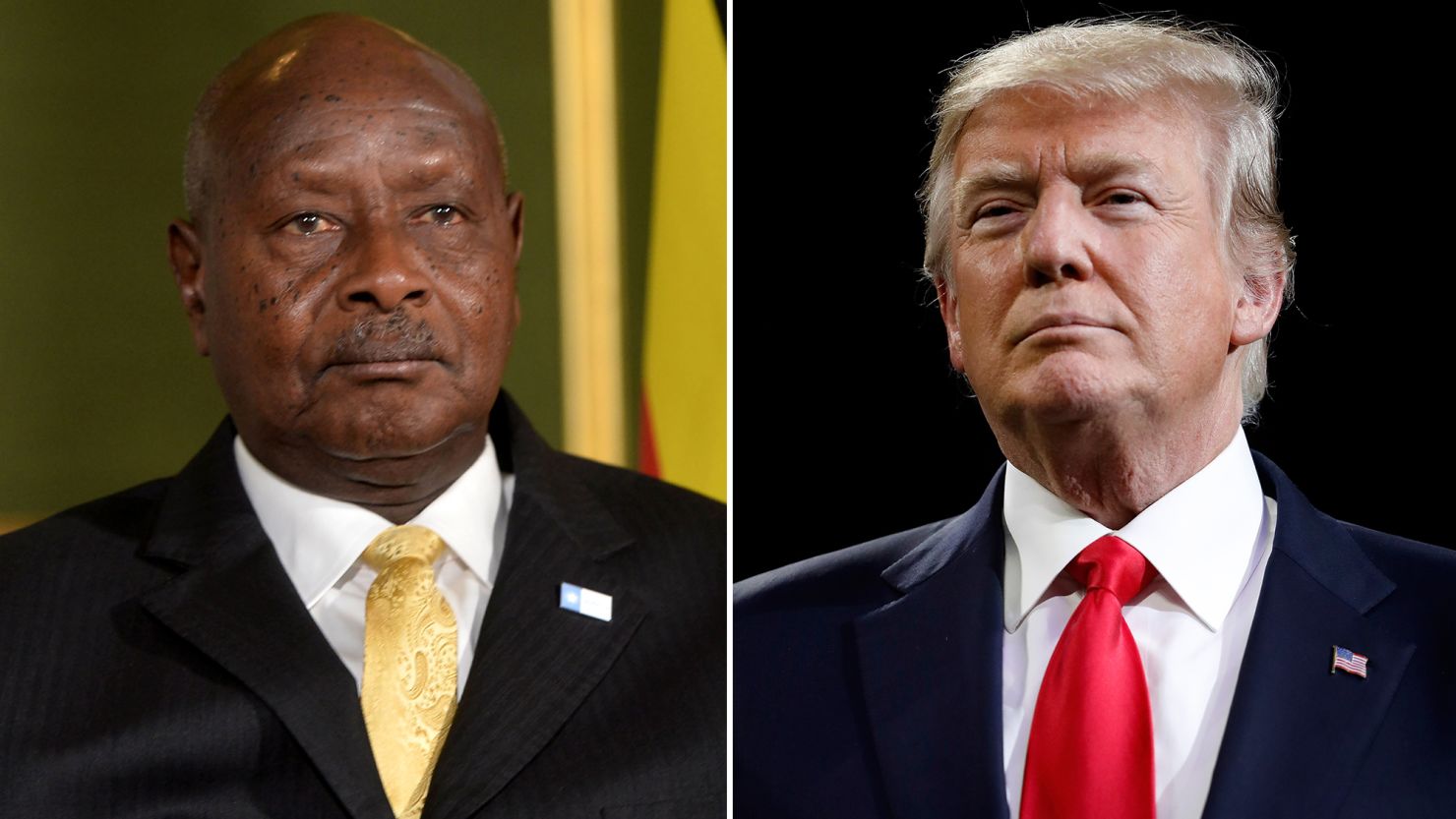
U.S. Freezes Visas as Trump Hits Uganda on Election Day
The State Department moved fast and hard. On Wednesday, it ordered all U.S. embassies to halt immigrant visa processing for Uganda and 74 other nations. Secretary of State Marco Rubio signed off on the directive, enforcing a policy first drafted in November. Consular officers received clear instructions: stop approvals, stop interviews, stop movement.
Washington justified the freeze by labeling affected migrants as likely “public charges.” In plain terms, U.S. officials claimed Ugandans and others might rely on American welfare instead of working. The State Department framed this as protecting taxpayers, not targeting specific countries.
Yet internal documents seen by diplomats suggest a broader agenda. Trump’s team linked the freeze to tougher immigration standards, political leverage, and deterrence. Insiders say the policy also aims to pressure governments seen as uncooperative on deportations, border controls, and U.S. strategic interests.
Uganda appeared alongside Somalia, Tanzania, Rwanda, Ghana, Sudan, Libya, Egypt, Senegal, Tunisia, Cameroon, Ethiopia, the Democratic Republic of Congo, and Eritrea. The list stretched far beyond Africa to Afghanistan, Iran, Haiti, parts of Europe, Asia, and Latin America.
In a blunt statement, the State Department accused foreign nationals of “misusing America’s immigration system” and “extracting wealth from the American people.” Officials insisted the pause would last until new safeguards prevent migrants from accessing public benefits.
The freeze starts January 21. It blocks only immigrant visas, meaning people seeking permanent residence. Tourist, student, and business visas remain open for now. But Washington warned that even these applicants will face tougher screening.
U.S. diplomats told embassies to intensify background checks, scrutinize financial stability, and assess whether visitors might overstay or seek welfare. This shift signals that Uganda’s visa troubles may extend beyond immigrants to short-term travelers.
What the Freeze Means for Uganda
The timing cut deep. Ugandans woke up to voting lines and diplomatic rejection on the same morning. Opposition leaders slammed the move as interference and insult. Government officials called it unfair but careful not to provoke Washington.
Business communities panicked. Thousands of Ugandans rely on family reunification visas to join relatives in the U.S. Many had already paid fees, sold property, or resigned from jobs in anticipation of travel. Overnight, their plans collapsed.
Human rights groups accused Trump of weaponizing visas to punish African nations. Activists said the policy stigmatizes ordinary Ugandans while ignoring corruption, governance failures, and global inequality.
Universities also raised alarms. Though student visas technically remain unaffected, counselors fear stricter screening will delay admissions, cut opportunities, and reduce remittances that sustain families back home.
Kampala’s diplomatic circles suspect deeper motives. Some analysts argue Washington wants leverage over Uganda’s security partnerships with Russia and China. Others say Trump aims to reshape migration flows ahead of major global events.
Economic and Social Ripple Effects
Law firms and immigration consultants expect a surge in appeals, lawsuits, and emergency petitions. They predict years of backlog once the freeze lifts.
Churches and community groups worry about divided families. Parents may remain stuck in Uganda while children in the U.S. wait in limbo.
Travel agencies report cancellations. Applicants fear that even non-immigrant visas could become harder to secure. The chilling effect is already visible.
A wider Trump crackdown
This move did not emerge in isolation. It builds on earlier Trump-era travel bans that targeted nearly 40 countries. The current action expands the scope to 75, making it one of the broadest visa crackdowns in U.S. history.
Officials openly linked the policy to upcoming global events. The 2026 World Cup and 2028 Olympics, both hosted by the U.S., could trigger a flood of visa applications. Washington wants tighter control before that surge hits.
Critics say the “public charge” argument masks deeper fears about demographic change, labor competition, and geopolitical rivalry. They note that many immigrants contribute far more in taxes than they receive in benefits.
Legal experts warn the freeze may face court challenges. Civil liberties groups argue that blanket bans based on nationality violate equal protection principles and international norms.
African Union officials privately condemned the decision, calling it discriminatory and counterproductive. Several ambassadors hinted at possible reciprocal measures, though none moved publicly yet.
What happens next
For now, Ugandans seeking permanent U.S. residence must wait. No interviews, no approvals, no timeline. The State Department says the pause will end only when new safeguards are in place but offered no deadline.
Meanwhile, consular officers will tighten scrutiny across all visa categories. That means longer waits, more paperwork, and higher rejection risks.
Uganda faces a tough choice. It can negotiate quietly, push back diplomatically, or pivot toward alternative migration destinations such as Canada, the UK, or the Gulf states.
One thing is clear. On election day, as Ugandans chose their leaders, Trump chose to freeze their American dream. The political shockwaves will outlast the ballots, and the fight over migration, dignity, and power is only beginning.