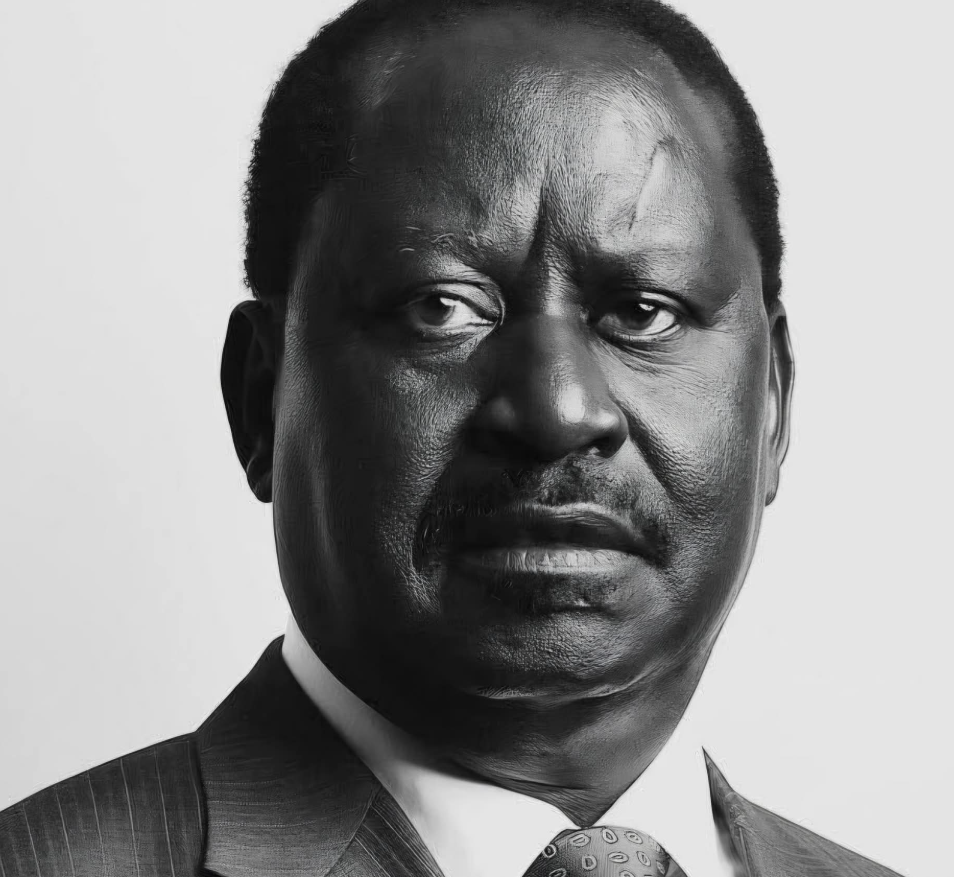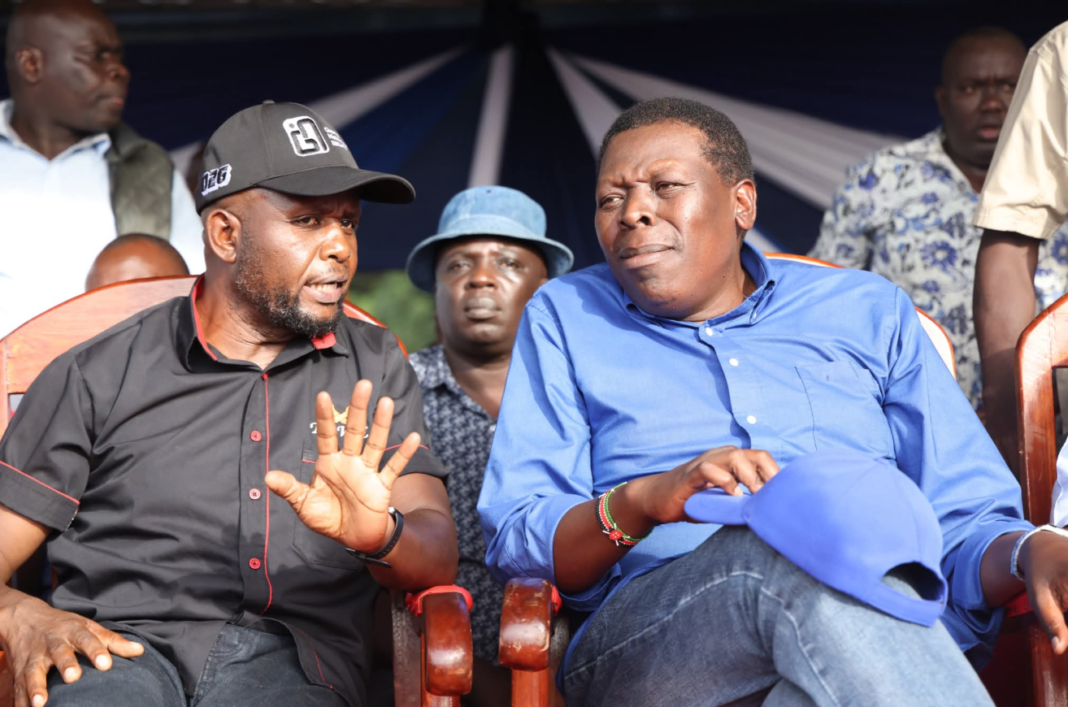
The Democratic Action Party of Kenya (DAP-K) wants the country to believe all is calm. Its latest statement dismissing reports of infighting between party leader Eugene Wamalwa and his deputy George Natembeya reads like a firm denial meant to shut down speculation. Yet behind the defiant tone lies a party battling a deep supremacy contest that has steadily eroded unity, trust, and strategic focus.
The Wamalwa and Natembeya war is no longer whispered in corridors. It is playing out in public petitions, rival camps, and growing regional tension, leaving DAP-K struggling to contain a conflict that now threatens its survival.
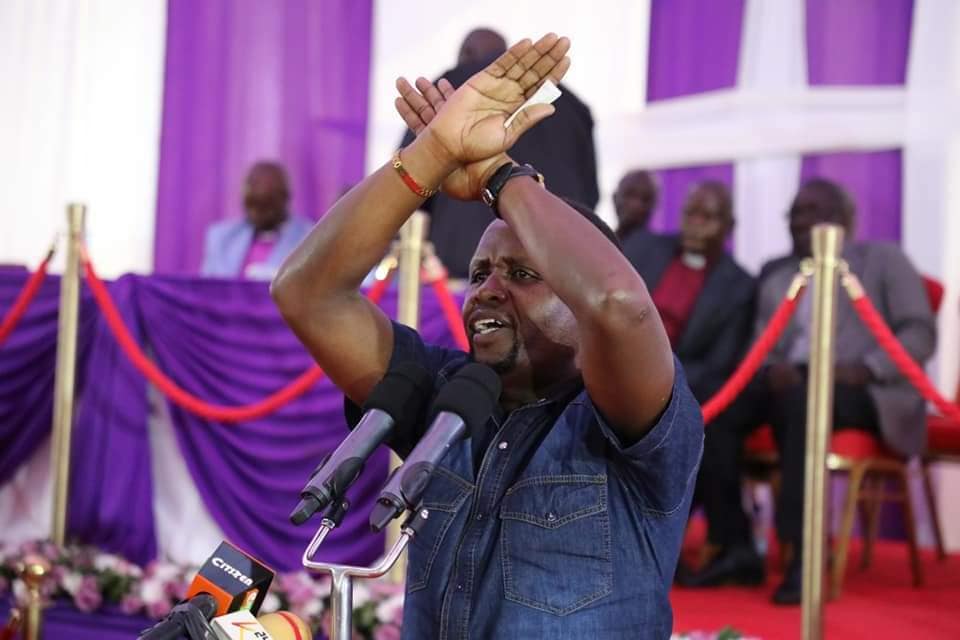
DAP-K leadership crisis exposes a party without firm control
DAP-K’s response to the Wamalwa and Natembeya war has been reactive rather than decisive. The party statement shared on X on January 6 attempted to project unity, insisting DAP-K and the Tawe movement are “one indivisible Party.” That messaging, however, clashes sharply with months of open confrontation between its top two leaders.
The rift began taking shape in early 2025 when pressure mounted on Wamalwa from sections of Western Kenya leaders to dissolve DAP-K and rally behind President William Ruto’s 2027 re-election bid. Natembeya drew a clear line, rejecting any alignment with Ruto and presenting himself as a hardline opposition figure. That ideological divide quickly mutated into a personal and structural power contest, with both sides accusing each other of undermining the party.
Instead of asserting authority, DAP-K leadership allowed the feud to fester. By the time the Secretary General admitted in August 2025 that the dispute was serious enough to be referred to the Internal Disputes Resolution Committee, the damage was already entrenched.
Wamalwa cornered by alliance politics and internal rebellion
For Eugene Wamalwa, the Wamalwa and Natembeya War has exposed the limits of his grip on the party. Once viewed as the undisputed face of DAP-K, he now faces rebellion from within his own backyard. Natembeya’s camp accuses him of autocratic leadership and micromanagement, even alleging attempts to run the Trans-Nzoia county government from party headquarters.
The petition seeking Wamalwa’s removal painted a picture of a leader disconnected from grassroots sentiment and intolerant of dissent. While his allies dismissed the accusations, the very existence of such a petition signaled a collapse of internal discipline. Wamalwa’s camp responded with a counter-petition demanding Natembeya’s ouster, turning the party into a battleground of paperwork and press statements rather than policy and strategy.
Natembeya rises through Tawe movement challenge
George Natembeya has used the Wamalwa and Natembeya War to elevate his political profile far beyond his deputy party leader role. Through the Tawe movement, he has positioned himself as a populist regional force challenging Wamalwa’s long-standing dominance in Western Kenya. His messaging taps into frustration with elite politics and paints him as a reformist fighting entrenched control.
Natembeya’s threats to quit DAP-K and form his own political vehicle are not idle. They are leverage. By openly flirting with an exit, he has forced the party into a defensive posture, scrambling to keep him within the fold while lacking the authority to rein him in. His supporters argue that DAP-K must reform or risk irrelevance, a narrative that resonates with younger and more restless voters.
Party institutions fail to tame the supremacy war
The most damning aspect of the w and Natembeya War is what it reveals about DAP-K’s institutional weakness. Internal mechanisms have failed to de-escalate the conflict. Even after the dispute was formally acknowledged and referred to party committees, rival camps continued trading accusations, including claims by Wamalwa’s allies that Natembeya enjoys backing from state operatives seeking to weaken the opposition.
By early 2026, the conflict had shifted from ideological disagreement to a raw fight for party control and regional supremacy. DAP-K’s repeated assurances of unity ring hollow when neither side appears willing to compromise. Without decisive arbitration or a clear political direction, the party risks fracturing under the weight of its unresolved leadership war.
For now, DAP-K remains trapped between denial and dysfunction. The Wamalwa and Natembeya war has become a test of whether the party can rise above personal ambition or collapse under it. So far, the signs point to a struggle it is still losing.