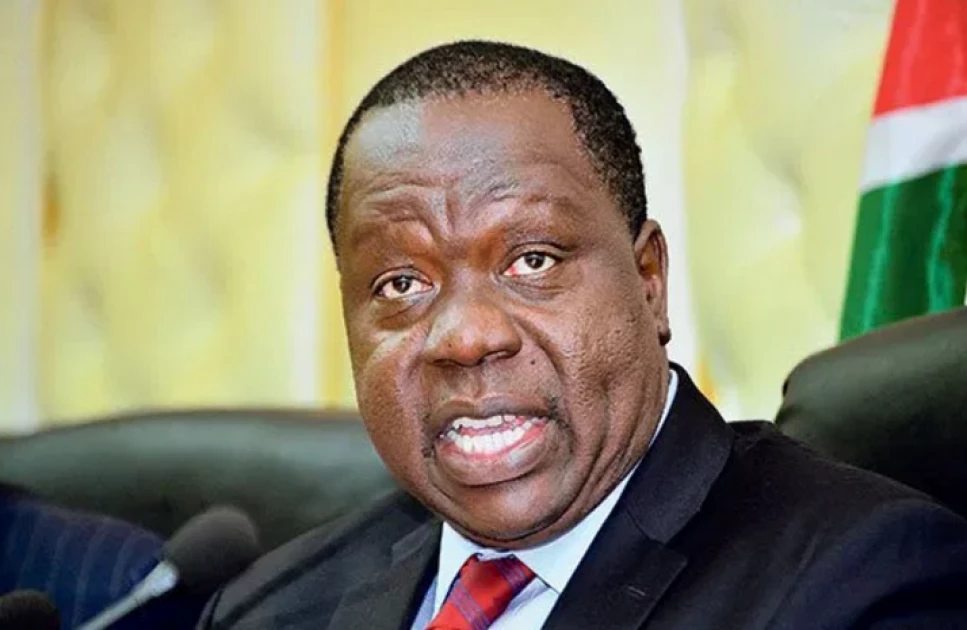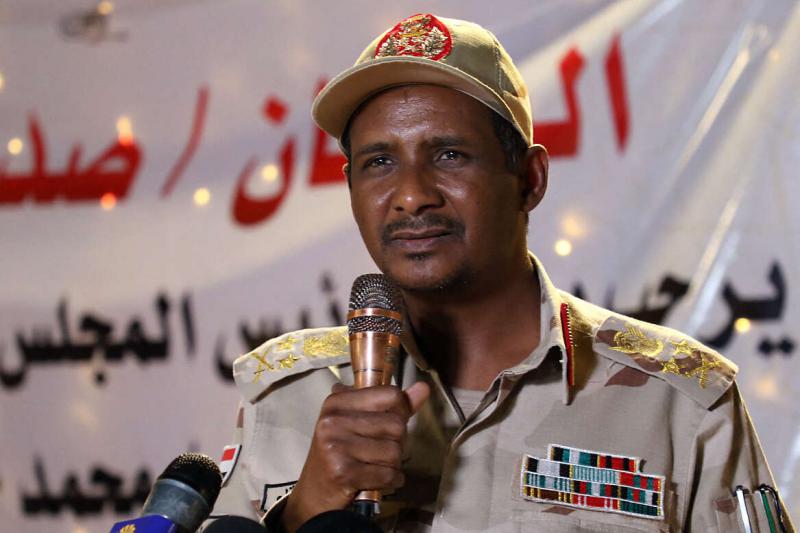
The United States has imposed targeted sanctions on three senior commanders of Sudan’s Rapid Support Forces (RSF) over their alleged roles in widespread atrocities in El Fasher. The move comes just weeks after President William Ruto publicly appealed to former U.S. President Donald Trump to support efforts to address Sudan’s humanitarian crisis.
Washington’s decision highlights mounting international pressure on the RSF and signals a firmer stance against actors accused of fueling one of the world’s most severe ongoing conflicts. The sanctions freeze any assets held by the designated individuals in the United States and block them from accessing U.S. financial systems.
They also require U.S. persons to report any property interests connected to these commanders to the Treasury Department’s Office of Foreign Assets Control (OFAC). The measures mark a decisive attempt to isolate key RSF figures while drawing global attention to Sudan’s escalating humanitarian disaster.
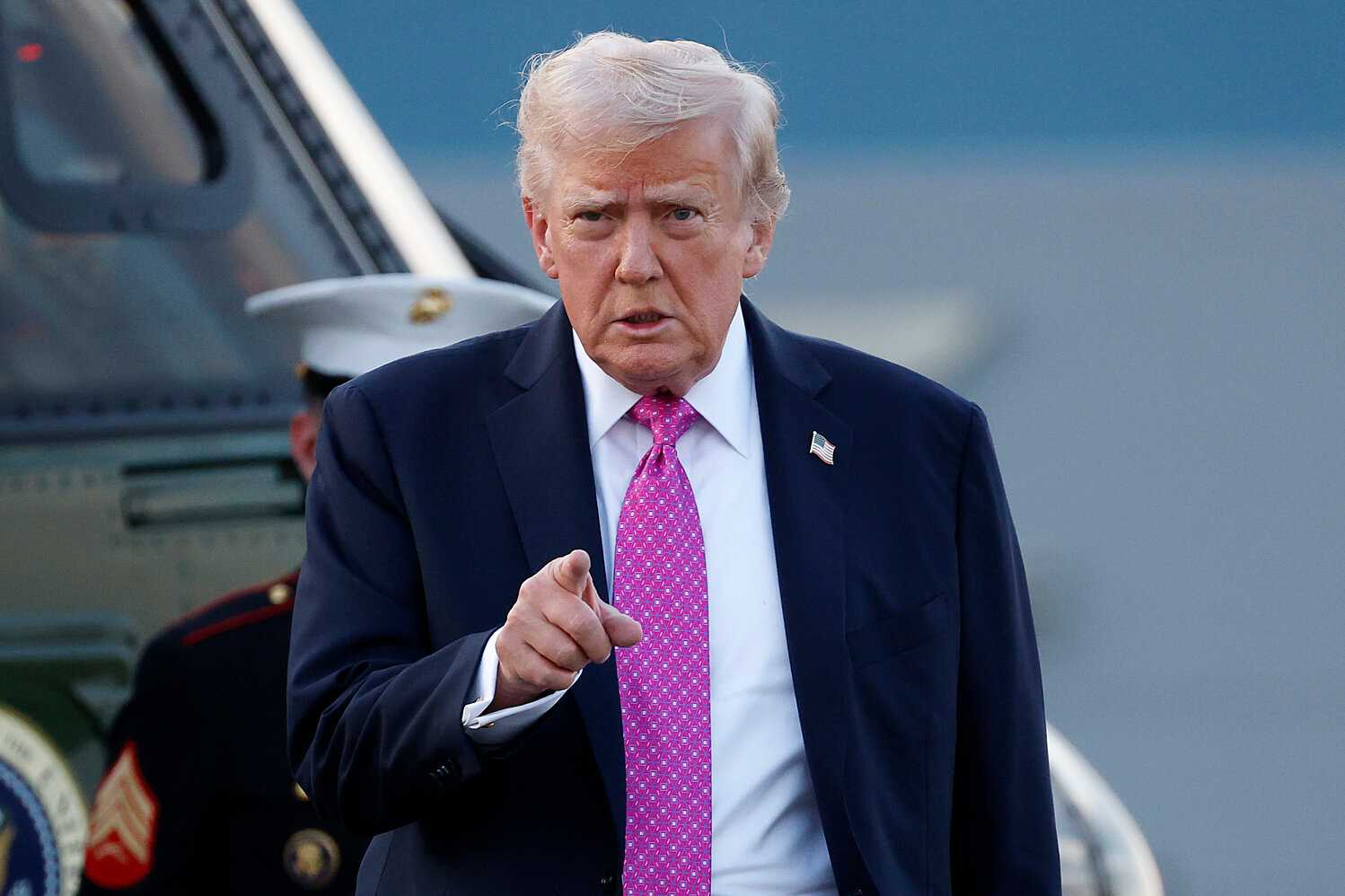
US Sanctions RSF Leaders as Violence Escalates in El Fasher
The RSF has faced sustained accusations of ethnic killings, torture, forced starvation, and sexual violence during its 18-month campaign in North Darfur. El Fasher, the main stronghold of the Sudanese Armed Forces (SAF) in Darfur, has borne the brunt of the fighting. According to U.S. officials, the conflict that erupted in April 2023 between the RSF and SAF has resulted in more than 150,000 deaths and displaced over 14 million people.
The U.S. Department of the Treasury emphasized that the targeted commanders are directly responsible for prolonging the capture and control of El Fasher. By freezing their assets and restricting access to the United States, Washington aims to signal that perpetrators of mass atrocities will face tangible consequences.
“The RSF commanders sanctioned today are held accountable for their actions in El Fasher, Sudan,” the U.S. government said in a statement released on February 19, 2026. “All property and interests in property of the designated persons that are in the U.S. or controlled by U.S. persons are blocked and must be reported to OFAC.”
The sanctions form part of a broader international effort to limit impunity in Sudan, but officials acknowledge that financial measures alone cannot end the fighting. They are intended to complement diplomatic efforts and pressure Sudanese actors to consider negotiations.
Mechanisms and Implications of the Sanctions
The sanctions block the designated RSF leaders from using U.S. financial systems and freeze any assets under U.S. jurisdiction. They also prevent the sanctioned individuals from traveling to or engaging in financial transactions in the United States.
This move effectively isolates them from significant international banking channels and restricts access to assets that could be used to fund continued military operations. Beyond the financial impact, the sanctions also send a clear diplomatic signal: the international community will hold perpetrators accountable for atrocities.
While the sanctions aim to weaken the RSF leadership, experts note that their effectiveness depends on coordination with other global powers. Without broader international alignment, the RSF could still seek alternative sources of funding and support, potentially reducing the pressure intended by U.S. measures.
Ruto’s Appeal to Trump and Diplomatic Context
The sanctions follow weeks after President William Ruto publicly requested U.S. support to address Sudan’s crisis. Speaking in December 2025 during the signing of a peace agreement between Rwanda and the Democratic Republic of Congo, Ruto highlighted Sudan’s escalating conflict and urged stronger international intervention.
“As we celebrate progress in the DRC, we must not look away from other crises. We ask President Trump, in his quest for global peace and solidarity, to support efforts to resolve the unfolding human catastrophe in Sudan,” Ruto stated.
Although Washington has not explicitly linked the sanctions to Ruto’s appeal, the timing underscores Kenya’s emerging role as a regional peace broker and highlights the potential influence of diplomatic advocacy in shaping U.S. foreign policy.
Ruto has consistently called for urgent measures to mitigate Sudan’s humanitarian crisis. With millions displaced, cities destroyed, and mass atrocities reported, global attention and coordinated pressure have become critical. The U.S. sanctions reinforce the message that accountability for human rights violations cannot be ignored.
Sudan’s conflict continues to destabilize the region. Both the RSF and SAF remain engaged in ongoing battles, and civilian populations continue to bear the heaviest burden. The U.S. action is a critical step, but it represents only part of a complex international response needed to bring peace to Sudan.