A United Nations report has confirmed four substantiated rape cases involving members of the Kenya-led Multinational Security Support (MSS) mission in Haiti. The victims — all female — were aged 12, 16, 16, and 18.
Investigators from the UN’s human rights office verified each case, yet most remain unresolved with no confirmed consequences for the officers involved. Kenya withdrew its final contingent from Haiti just weeks ago, but the abuse allegations it leaves behind demand answers that neither Nairobi nor the mission has yet provided.
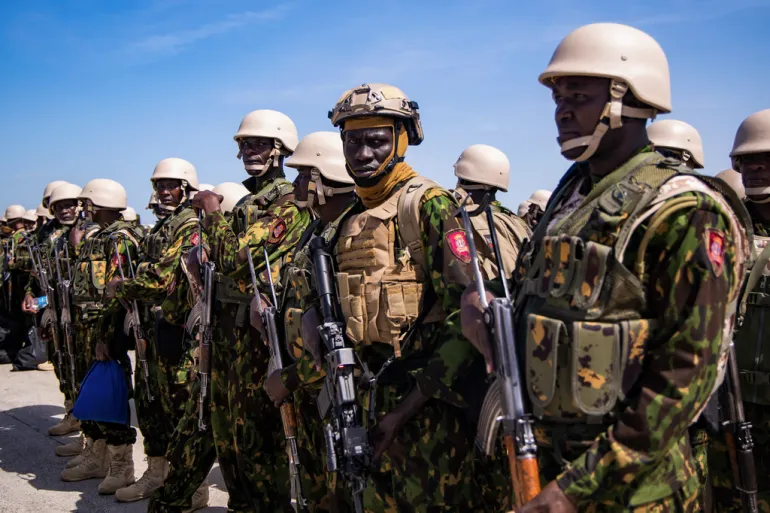
UN Report Confirms Police Sexual Abuse in Haiti Involving Kenya-Led MSS Mission
The findings appear in the UN’s Special Measures for Protection from Sexual Exploitation and Abuse report — a formal accountability framework that documents misconduct by personnel serving in international operations. The Office of the United Nations High Commissioner for Human Rights conducted the investigations and confirmed all four rape cases as “violations corroborated.”
That classification carries weight. It means investigators gathered sufficient evidence to establish that the abuse occurred. These were not rumours or unverified complaints—they were substantiated findings against officers operating under a UN-authorized mandate.
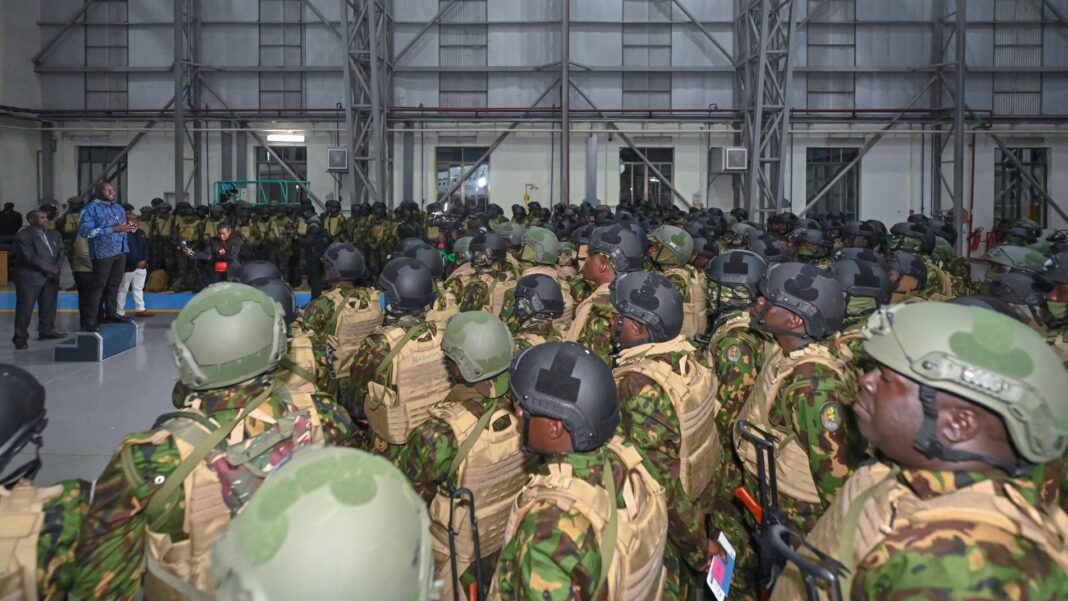
The MSS mission launched with a clear purpose. The UN Security Council authorized the Kenya-led force to de-escalate gang violence gripping Haiti, and Kenyan police officers began deploying in June 2024. The mission positioned Kenya as a credible leader of international security efforts. What the UN report now documents is a serious breach of that trust.
The Victims and What the Report Actually Says
The four victims ranged in age from 12 to 18 years old. Three were minors. The youngest was 12. All were female. All four cases were confirmed through independent investigation — not self-reporting by the mission.
In the case involving the 12-year-old, the MSS mission conducted its own internal investigation. The report does not disclose what that investigation found, whether it identified a suspect, or what action followed. The absence of that information is not a minor administrative gap — it is a fundamental accountability failure in a case involving the rape of a child.
The report listed most cases as “pending,” with no indication that disciplinary proceedings had concluded or that any officer faced formal consequences. For victims who already endured abuse at the hands of officers sent to protect them, that status update delivers a second blow.
The UN Speaks, but Action Remains Unclear
UN Spokesperson Stéphane Dujarric addressed the misconduct findings directly. He confirmed that the organization would follow up on abuse cases with the newly deployed anti-gang force, and he stressed that building strong mechanisms to prevent, investigate, and publicly report abuses is essential to the mission’s effectiveness and credibility.
His words carry the right message, but the test is in execution. A new contingent from Chad arrived in Haiti on April 1, 2026, taking over from the Kenya-led force. The UN expects this unit to implement stricter safeguards and avoid repeating the human rights failures that now define part of the MSS mission’s legacy.
The transition, however, does nothing for the four women and girls who reported rape. Their cases predate Chad’s arrival. Their perpetrators served under Kenya’s command. And their path to justice runs through institutions that have shown little urgency in delivering it.
Kenya’s Silence and the Accountability Kenya Owes
Kenya celebrated the MSS mission as a foreign policy achievement. President William Ruto pushed hard to lead the Haiti operation, and Nairobi invested political capital in proving that Africa could anchor serious international security efforts. The mission’s end—marked by the return of Kenya’s final contingent—was framed as a completed chapter.
The UN report rips that framing apart. Four confirmed rapes. Three minor victims. No publicly confirmed consequences. Kenya’s government has not issued a direct statement addressing the sexual abuse findings. The Kenya National Police Service has not confirmed any parallel investigation or disciplinary action against officers linked to the cases.
That silence is not neutral. When a government deploys officers abroad under its command, it assumes responsibility for their conduct. When those officers commit verified sexual abuse, accountability travels back to the institution that sent them. Kenya cannot close the Haiti chapter by bringing officers home and saying nothing.
The UN confirmed the abuse. Investigators did their work. The evidence exists. What remains missing is the will — from Kenya, from the MSS command structure, and from the broader international community — to ensure that four victims receive the justice they are owed.
Sources: UN Special Measures for Protection from Sexual Exploitation and Abuse Report; UN Spokesperson Stéphane Dujarric’s official statements.