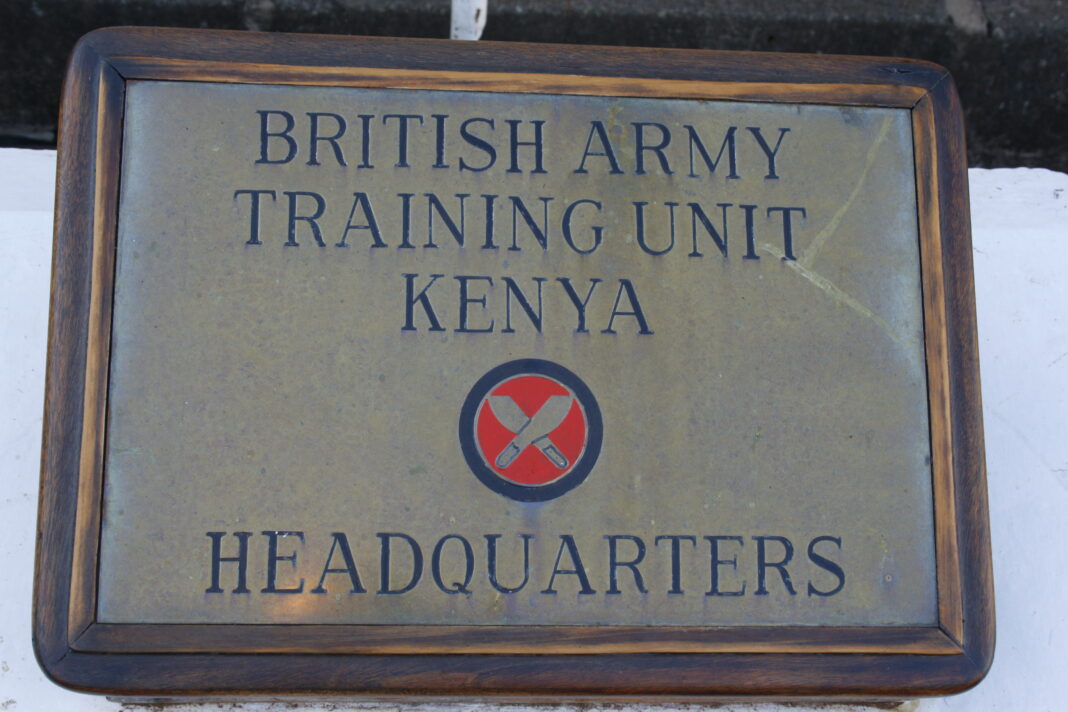
The UK has launched a fierce counteroffensive against Kenyan lawmakers after a damning parliamentary report accused the British Army Training Unit Kenya of decades-long abuses, killings, and rights violations.
In a sharp statement, the British High Commission said MPs ignored its detailed submission before publishing the explosive findings. The commission insisted it had cooperated fully with the inquiry and had addressed every concern raised.
The clash now exposes widening tensions over BATUK abuses, historical injustices, and the bitter legacy of military operations in Laikipia and Samburu.
UK Response on BATUK Abuses Puts MPs on the Spot
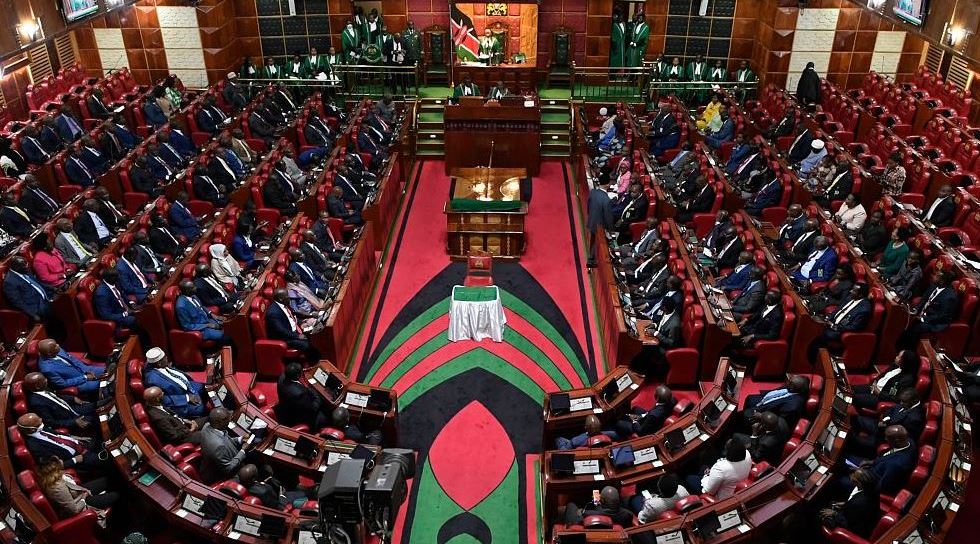
The confrontation between the British High Commission and Kenyan legislators has intensified debate over BATUK abuses and the opaque nature of defence cooperation agreements.
The UK claims MPs released an incomplete report that left out crucial evidence. Lawmakers say communities have suffered too long under a system that shields foreign soldiers from justice. The dispute now raises questions over accountability, transparency, and whether historical injustices will finally be addressed.
British Officials Reject Report on BATUK Abuses
The British High Commission issued a hard-hitting statement on December 3, insisting the inquiry misrepresented facts by excluding its formal response. According to officials, the UK provided a detailed submission addressing each claim raised by MPs. The commission argued the omission painted an unfair picture of a country that has taken steps to fix historical problems linked to BATUK Abuses.
British diplomats maintained they had cooperated fully with the team, shared documents, and outlined reforms targeting community grievances in Laikipia and Samburu. They said it was misleading for MPs to suggest the UK ignored concerns, stressing that several claims in the report were entirely new and had never been presented during the hearings. The officials added they were ready to investigate any incident once evidence is presented.
Parliamentary Report Lays Bare Terrifying Allegations
Kenyan lawmakers released a 94-page dossier last week detailing chilling claims of killings, assaults, maimings and fatal traffic incidents tied to British soldiers. Testimonies came from civilians, victims, community leaders, public agencies and civil society groups. The report painted a grim picture of BATUK abuses that have allegedly persisted for decades.
One of the most haunting cases highlighted was the 2012 murder of Agnes Wanjiru. Her body was found dumped in a hotel septic tank in Nanyuki. A former British soldier linked to the killing was arrested in the UK last month.
He denied involvement and is fighting extradition to Kenya. The case has revived anger over what many Kenyans see as a culture of impunity protected by diplomatic cover and opaque defence pacts.
The report also flagged long-standing disputes involving land destruction, environmental harm, unexploded ordnance, and clashes between soldiers and communities. Many residents told MPs they had lost livestock, property and relatives due to alleged negligence or misconduct by British troops.
Future of Defence Cooperation Draws Heavy Scrutiny
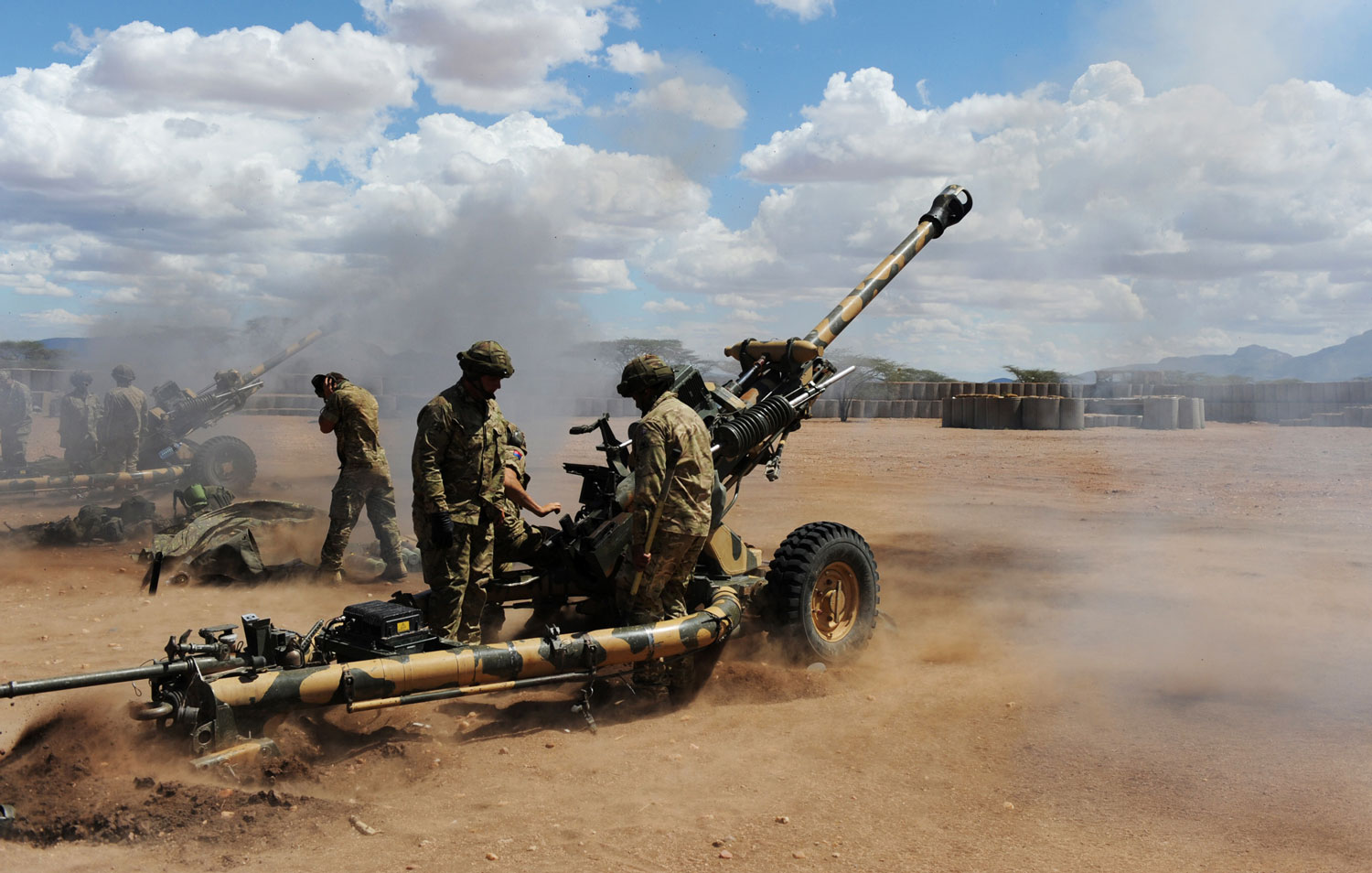
BATUK has been central to UK-Kenya military cooperation for years, training more than 1,000 Kenyan soldiers annually. But the allegations have now cast a shadow over the programme. Critics argue Kenya cannot continue hosting foreign troops without ironclad guarantees of accountability. Others warn that weakening the defence pact could damage strategic security ties.
The British High Commission urged both countries to protect the partnership while addressing grievances. It said reforms were already underway and denied any attempt to dodge responsibility. Kenyan lawmakers, however, insist justice must come first. They say affected communities have waited too long for truth, compensation and reform.
The fierce exchange shows the BATUK abuses debate is far from over. With new evidence emerging and the UK publicly challenging Parliament, pressure is growing on both governments to confront the truth, fix broken systems and restore public trust.