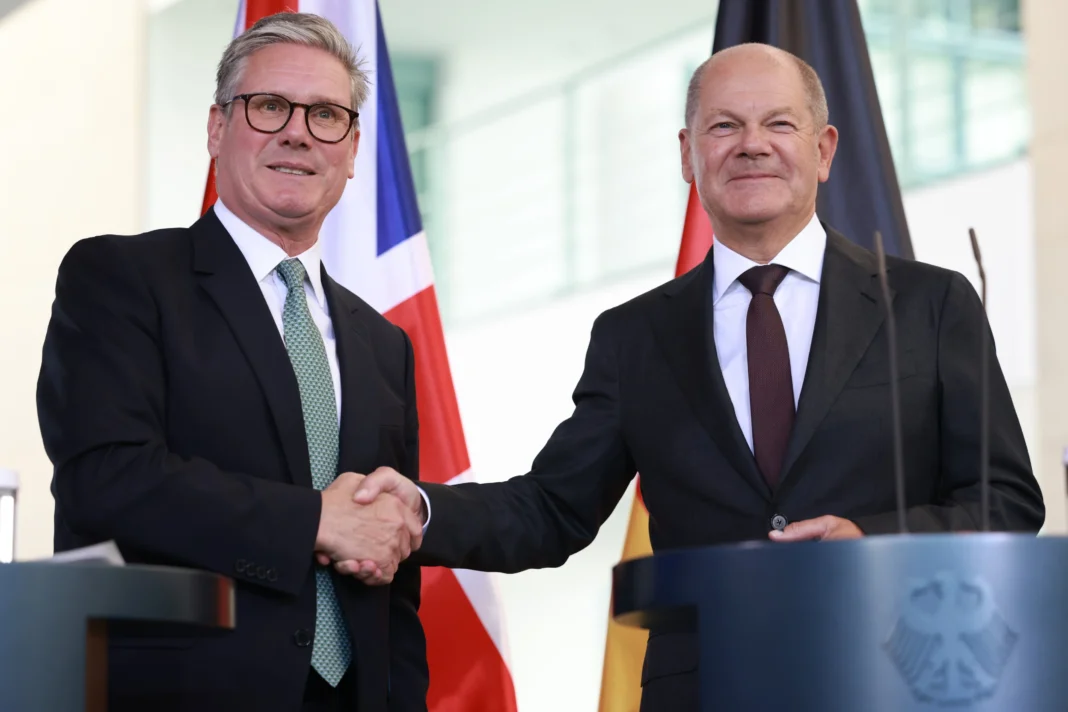
A coalition of 17 Western powers, led by the United Kingdom and Germany, has intensified pressure on Tanzanian President Samia Suluhu, demanding urgent action over alleged human rights abuses.
In a joint statement released on Friday, December 5, the countries called for the immediate release of political prisoners and the bodies of those killed during recent protests. They also urged the government to provide legal and medical support to detainees while implementing recommendations from regional election observers to restore public trust.
The coalition comprises the UK, Germany, Canada, France, Italy, the Netherlands, Poland, Slovakia, Spain, Sweden, Denmark, Norway, and the European Union. Their united front signals growing international concern over Tanzania’s handling of political unrest and alleged state violence.
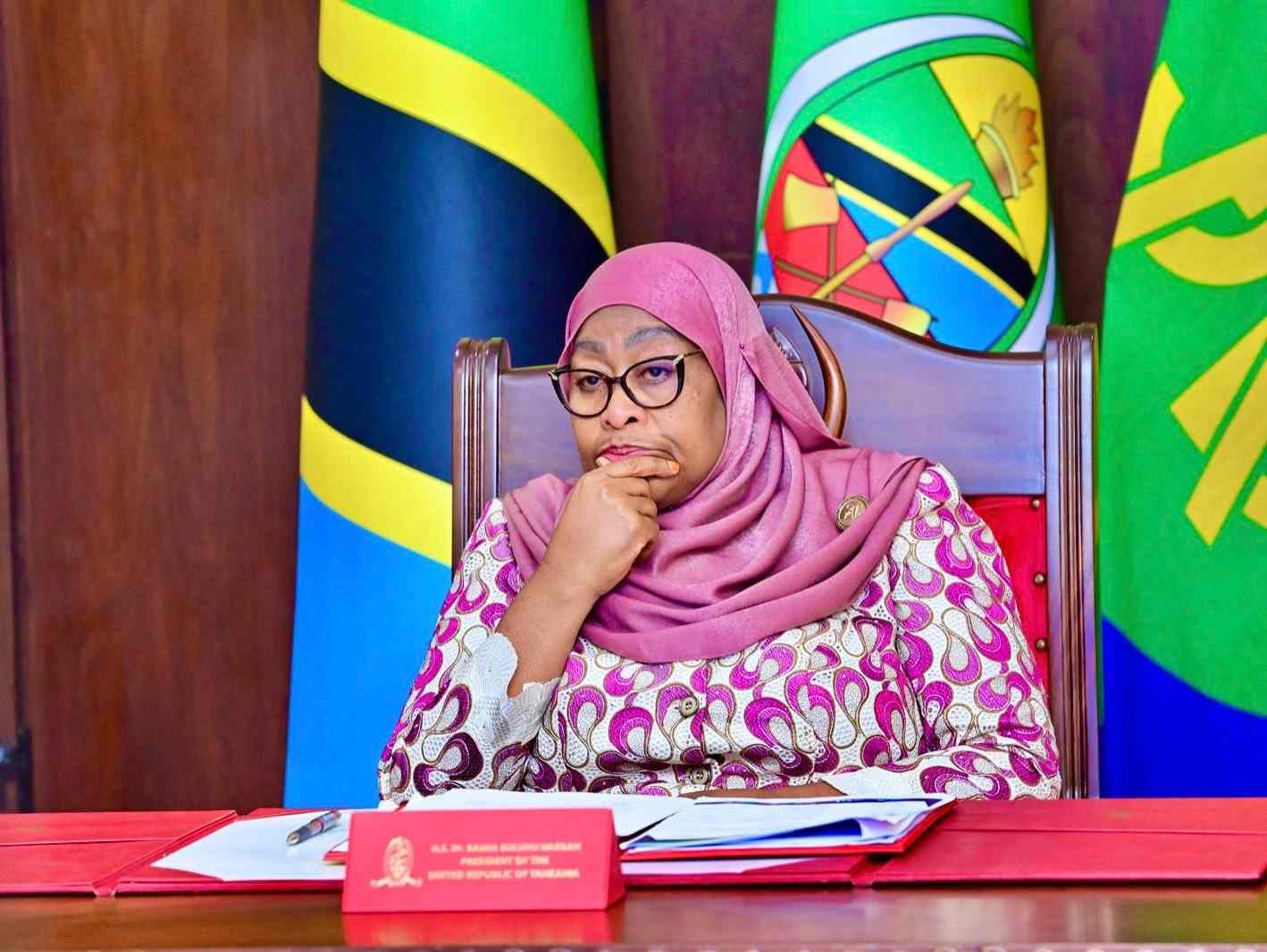
Pressure on Suluhu Builds Over Protest Deaths and Detentions
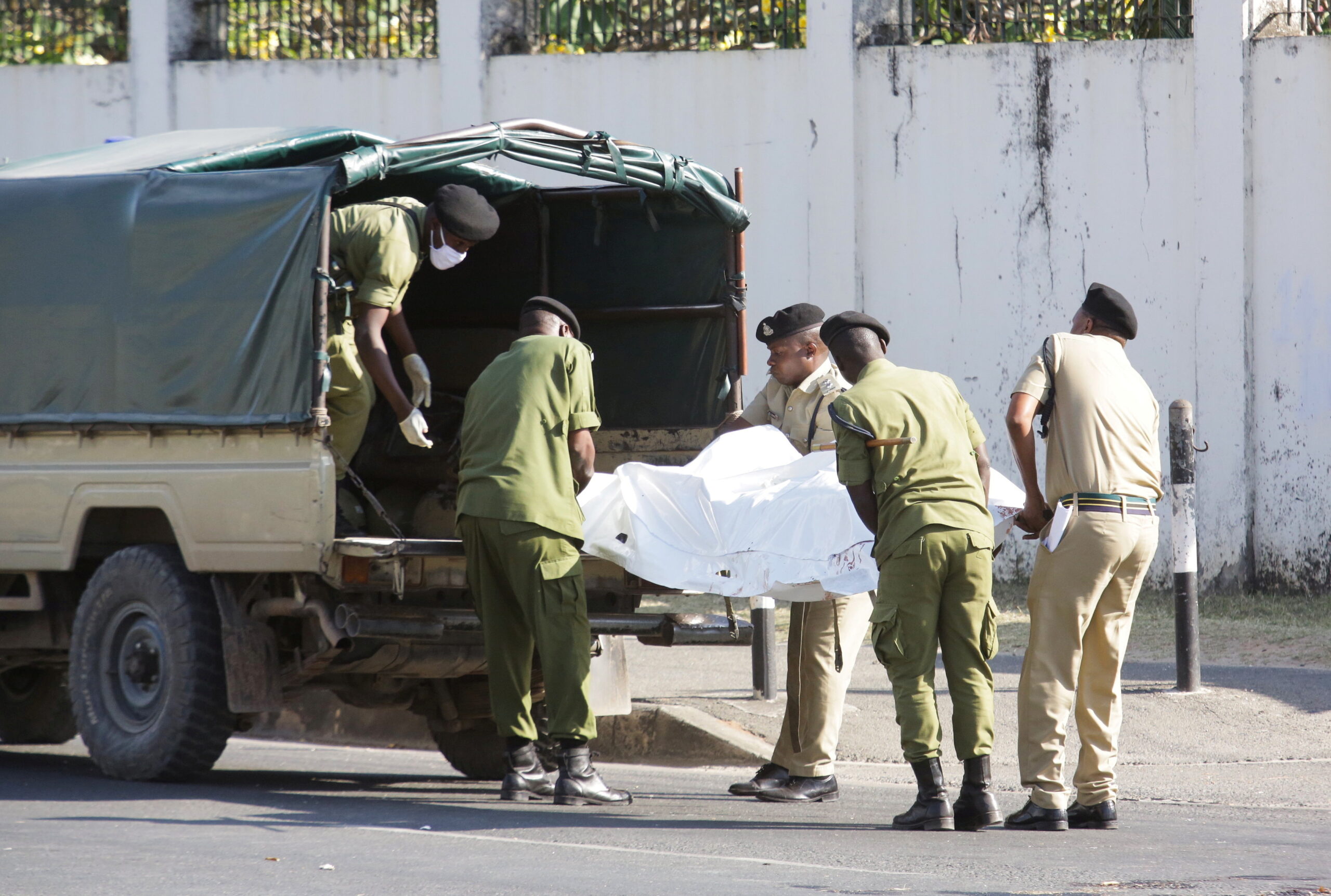
Western embassies expressed alarm over credible reports of extrajudicial killings, disappearances, arbitrary arrests, and concealment of bodies during protests. On October 29, Tanzanian security forces clashed with demonstrators, reportedly using tear gas and live force to suppress protests.
“We call on the authorities to urgently release all the bodies of the dead to their families, to further release all political prisoners, and allow detainees legal and medical support,” read the statement.
The coalition warned that failure to act could damage Tanzania’s international standing and strain diplomatic ties. Their demand reflects a rare, strong public stance against the Tanzanian government by multiple Western powers in unison.
Calls for Political Prisoner Release
Central to the coalition’s demands is the immediate release of political prisoners. Observers noted that dozens of opposition figures, activists, and ordinary citizens remain detained, some reportedly without proper legal representation or medical care.
The Western countries highlighted that holding detainees without access to basic rights violates both Tanzanian law and international human rights conventions. They stressed that protecting constitutional freedoms and legal rights is essential to preventing further unrest and restoring confidence in the government.
Demand for Release of Bodies to Families
The coalition also called for the return of bodies to grieving families. Families of victims allege that security forces have withheld bodies to avoid accountability, leaving communities in deep distress.
Releasing the bodies is more than a humanitarian demand. It is a test of Suluhu’s willingness to address allegations of state violence transparently. International observers insist that returning bodies and investigating deaths are critical steps to rebuild trust between citizens and the government.
Independent Investigation and Electoral Reforms
Western powers urged the Tanzanian government to conduct an independent, transparent, and inclusive investigation into the October 29 violence. They also reinforced recommendations made by the African Union and the Southern African Development Community in their preliminary election reports.
Both regional bodies identified serious shortcomings in Tanzania’s electoral process. These included irregularities, inefficiencies, and gaps in accountability. The coalition emphasized that addressing these flaws is crucial for restoring democratic credibility and public confidence in upcoming elections.
The statement stressed, “We further call on the government to address the recommendations made in the AU and SADC preliminary elections reports, which set out clear shortcomings in the electoral process.”
Upholding Fundamental Freedoms
The coalition reminded Tanzania to uphold its international commitments to human rights, particularly freedom of expression and access to information. Citizens must be able to express themselves without fear of arbitrary arrest or state interference.
Western embassies warned that ongoing violations could invite further scrutiny and potential sanctions, threatening Tanzania’s diplomatic and economic ties. The pressure comes a day after the United States announced a comprehensive review of its bilateral relationship with Tanzania due to the killings.
The growing international scrutiny signals a pivotal moment for Suluhu’s government. How she responds could define Tanzania’s reputation on human rights, democracy, and the rule of law. The world is watching, and the coalition of 17 nations has made it clear that continued violations will not go unnoticed.