The United States has unveiled a sweeping overhaul of how it finances United Nations humanitarian operations, a move expected to significantly reshape aid delivery in crisis-hit countries, including Kenya.
Announced under President Donald Trump’s administration, the policy signals a decisive shift in Washington’s approach to global humanitarian assistance. By moving away from fragmented project-based grants toward consolidated pooled funding, the changes promise efficiency gains but also raise questions about how priorities will be set.
For Kenya, a major hub for UN humanitarian work in East Africa, the impact could be profound.
How UN Humanitarian Funding Reforms Reshape Aid Delivery to Kenya
The announcement was made on Tuesday, December 30, by US Representative to the United Nations Ambassador Mike Waltz following the signing of a new Memorandum of Understanding in Geneva. The agreement between the US Department of State and the UN Office for the Coordination of Humanitarian Affairs marks what American officials describe as a new paradigm in UN humanitarian funding.
Under the revised framework, the United States will abandon the long-standing system of issuing multiple project-specific grants to individual UN agencies. Instead, funding will be channelled through consolidated and flexible pooled funds administered by OCHA at the country or crisis level. These pooled resources will operate under comprehensive country-level policy agreements designed to align UN humanitarian action more closely with US priorities.
According to the State Department, US voluntary contributions to UN humanitarian agencies have surged in recent years, reaching an estimated Ksh 1 trillion or USD 8 billion annually. This sharp rise, officials say, has been accompanied by growing concerns over bureaucratic inefficiencies, duplication of efforts and what Washington terms ideological drift within some UN bodies. The new funding model is framed as a corrective measure aimed at restoring focus on core life-saving mandates.
Why Washington Is Overhauling UN Humanitarian Funding
US officials argue that the traditional project-by-project grant system has become costly and inefficient. Multiple agencies often operated in the same geographical areas with overlapping mandates, inflating administrative expenses while diluting impact. By consolidating funds at the country level, the US believes humanitarian actors will be better positioned to respond rapidly to evolving crises.
The State Department has been blunt in its assessment. It maintains that while US contributions have skyrocketed, many UN programmes have failed to deliver proportional results. The new approach seeks to tighten oversight and ensure that American taxpayer money delivers measurable outcomes. Officials estimate that increased efficiency and tighter prioritisation could save up to Ksh 245 billion or USD 1.9 billion compared with previous funding models.
Under the new framework, pooled funds will prioritise what the US calls hyper-prioritised life-saving activities. These include food assistance, emergency health care and the protection of vulnerable populations. The goal, according to Washington, is to nearly double the life-saving impact of each dollar spent through UN-administered humanitarian aid while significantly reducing indirect costs.
What the Shift Means for Kenya’s Humanitarian Operations
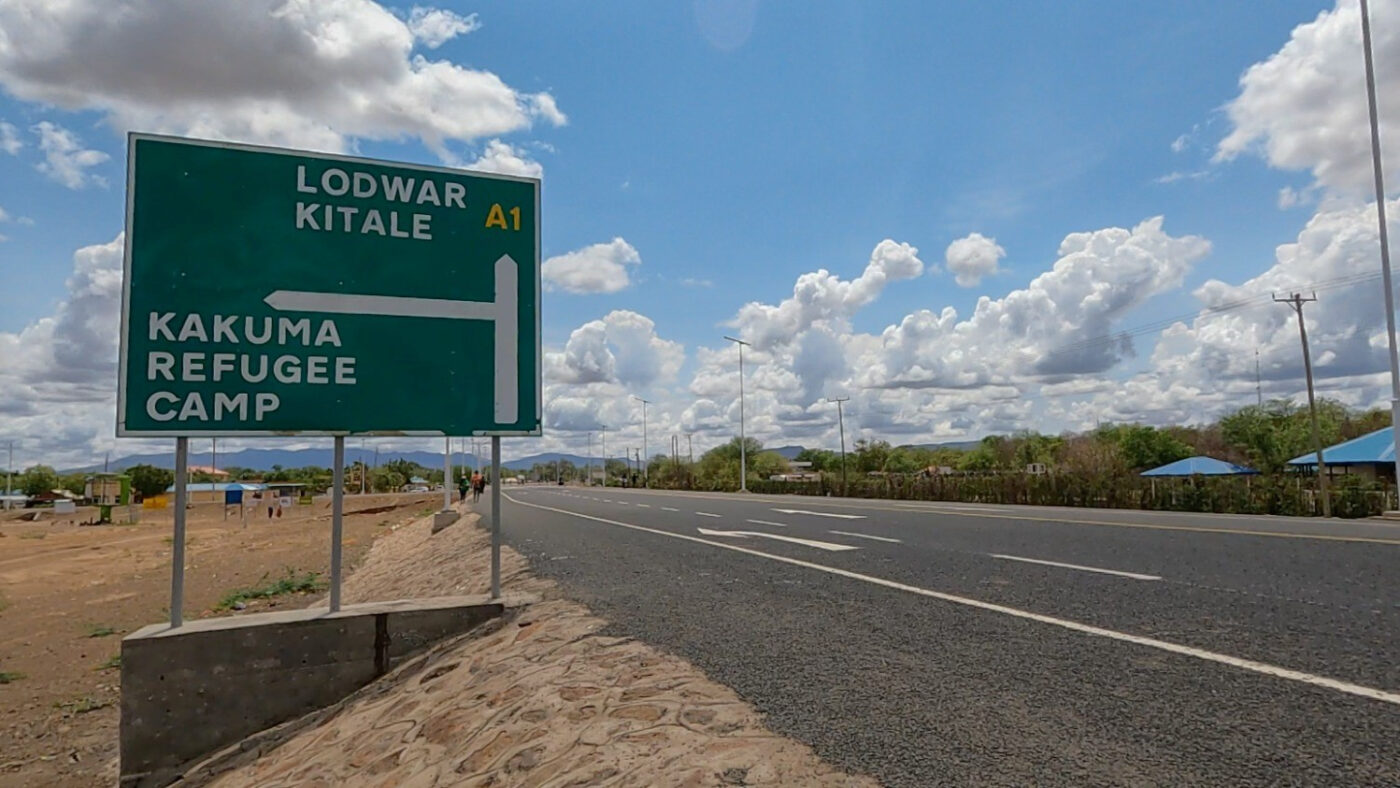
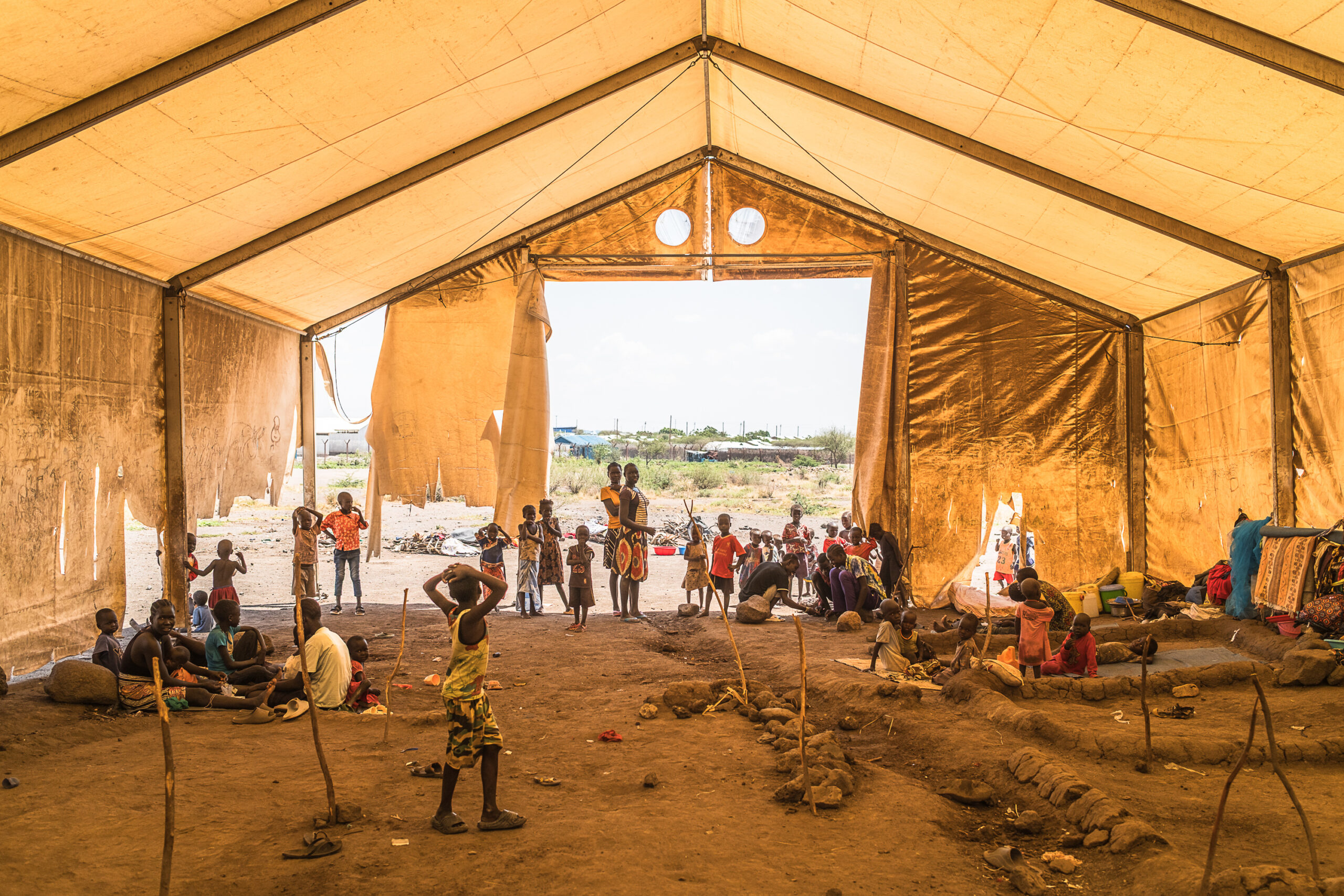
Kenya stands to be among the countries most affected by the changes to UN humanitarian funding. The country hosts extensive UN operations linked to drought response, refugee assistance and regional instability, particularly involving populations fleeing conflict in Somalia, South Sudan and Ethiopia.
Previously, US humanitarian assistance to Kenya was largely delivered through individual agreements with agencies such as the World Food Programme, UNHCR and UNICEF. Each programme, whether focused on drought relief or refugee support, required separate negotiations, reporting structures and oversight mechanisms. While this allowed agencies a degree of autonomy, it also resulted in fragmentation and overlapping interventions.
The new MoU replaces this model with a country-level pooled fund administered by OCHA. For Kenya, this means resources can be allocated more flexibly across agencies and sectors depending on shifting needs. In theory, this could lead to faster responses during emergencies such as droughts or disease outbreaks. However, it also centralises decision-making, potentially reducing the influence of individual agencies on funding priorities.
Global Reactions and the Road Ahead
The UN has cautiously welcomed the reforms. UN Under-Secretary-General for Humanitarian Affairs and Emergency Relief Coordinator Tom Fletcher described the agreement as a step toward clearer accountability and efficiency. He noted that the model shifts US funding onto clearly defined and prioritised mechanisms at a time of immense global strain.
As part of the agreement, the United States has pledged an initial Ksh 258 billion or USD 2 billion to support life-saving humanitarian assistance across dozens of countries in 2026. For Kenya, this pledge offers reassurance that funding will continue, albeit under stricter conditions and heightened scrutiny.
Still, questions remain. Critics warn that aligning UN humanitarian funding too closely with US priorities could undermine the multilateral and needs-based nature of humanitarian action.
For Kenya, success will depend on how well the pooled funding model balances efficiency with the complex realities on the ground. What is clear is that the Trump administration’s reforms mark one of the most significant shifts in US engagement with the UN humanitarian system in decades, with Kenya firmly in the spotlight.