Kenya’s 2025 by-elections ended, but the political noise is only getting louder. Defeated candidates Seth Panyako and Philip Aroko stepped forward with sharply different tones, exposing deep cracks in trust, leadership, and accountability.
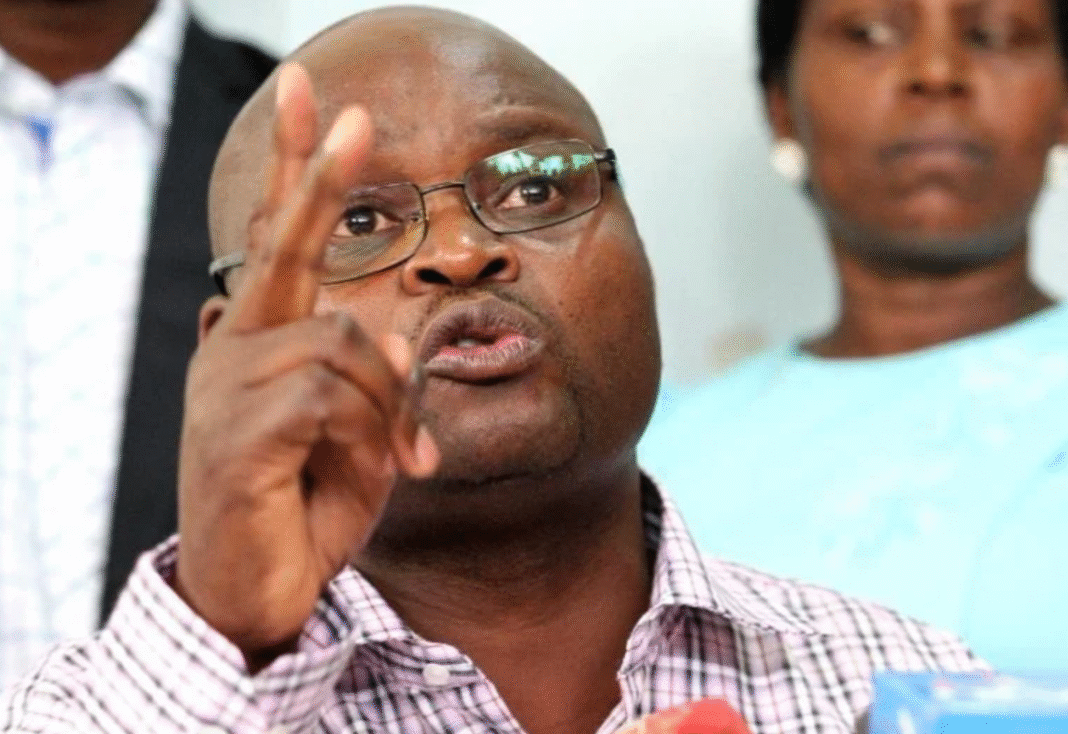
Panyako went on the offensive, challenging the Malava results and accusing state forces of intimidation. Aroko, the defeated Kasipul contender, took a calmer route and conceded.
Their contrasting reactions reveal a troubling pattern in Kenya’s political culture, where blame games often overshadow sober reflection. The country now watches the next moves from both men.
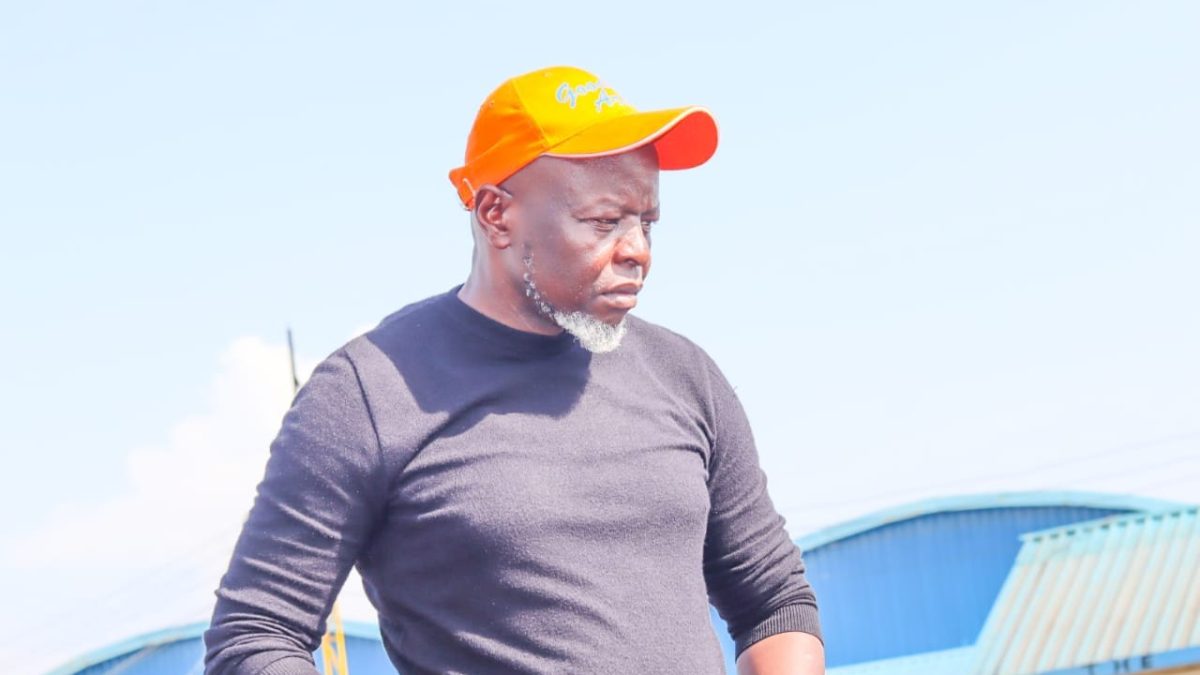
Seth Panyako Battles Poll Outcome in Malava
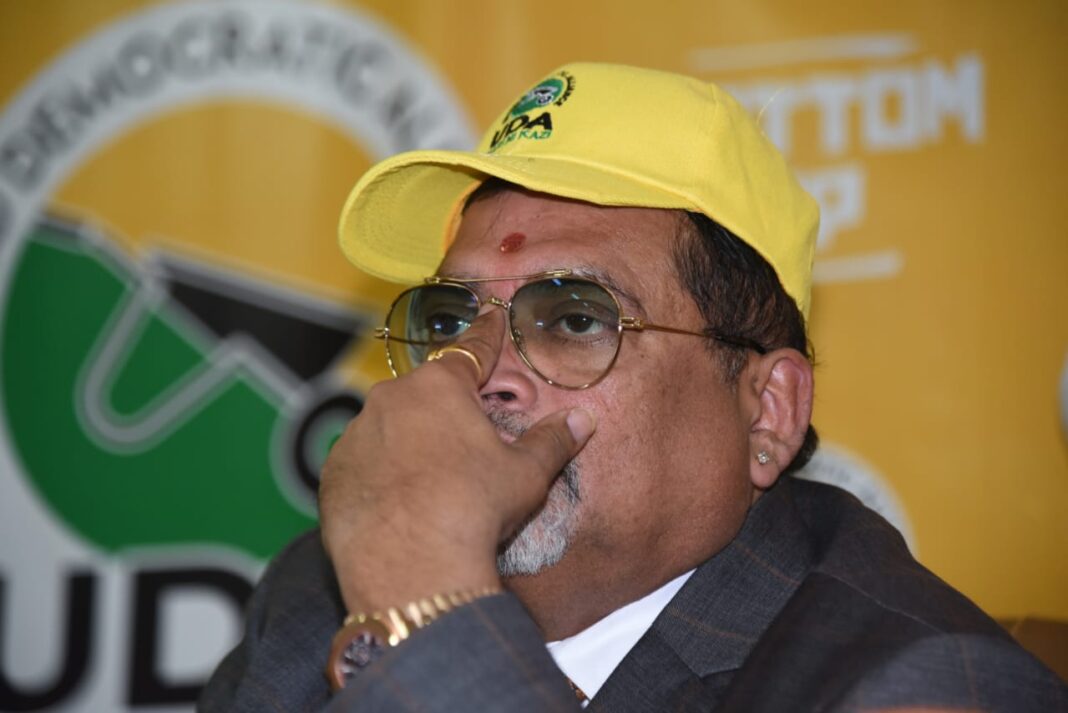
Seth Panyako entered the Malava race positioning himself as a strong contender under the DAP-K banner. When results showed he had lost, he refused to accept the numbers. He released a hard-hitting statement claiming massive irregularities in 54 polling stations. He insisted he had won in 134 out of 198 stations, portraying himself as a victim of a rigged process.
Panyako accused the government of instigating chaos in Malava to intimidate his supporters. He framed the violence as a deliberate strategy to weaken his base. He alleged that this tactic aimed to rob him of a legitimate victory by disrupting voting and scaring away voters.
He expressed deep appreciation for his supporters, calling them loyal, brave, and unshaken by threats to his life. His message cast him as a fighter standing against powerful forces. He portrayed himself as a leader targeted for political reasons, not a candidate who simply lost a race.
He vowed to stay in politics despite the loss. He rejected the idea that the by-election outcome represented a final verdict on his career. He insisted the results would not determine his path, and he framed his struggle as part of a bigger regional political mission.
Blame Pouring in from Losing Camps
The aftermath of the by-elections showed a familiar trend. Candidates who lost quickly blamed the system, opponents, or state machinery. In Malava, Seth Panyako became the face of that narrative. His claims echoed complaints heard frequently after tight contests, where losers cite manipulation instead of acknowledging political missteps.
In Kasipul, the tone was different. Philip Aroko, an Independent candidate, accepted defeat and thanked his supporters. His message lacked accusations. It stressed gratitude and personal growth. The contrast between Panyako and Aroko offered a sharp look at Kenya’s political culture, where some leaders escalate tension while others choose humility.
Aroko praised his supporters for showing passion and resilience. He called the race a testament to commitment. His concession message defused tension in Kasipul, showing how losing candidates can steady their supporters instead of fueling anger.
Seth Panyako Claims Intimidation and Manipulation
Panyako doubled down on his allegations, saying the government targeted him through orchestrated chaos. He spoke of intimidation, threats, and fear used to suppress his political momentum. His message painted a bleak picture of the Malava process, raising questions about the integrity of the vote.
He insisted that powerful individuals subverted the will of the people. He listed 54 polling stations where he believed manipulation took place. He spoke firmly about electoral malpractice and portrayed himself as the rightful winner robbed of victory.
His hard stance drew public attention because he refused to concede or soften his message. By positioning himself as a defender of democracy, he aimed to shift focus from the loss to the alleged injustice. The strategy may rally his base, but it also fuels division at a moment when the country seeks calm.
What the Two Reactions Reveal About Kenya’s Politics
The reactions from Panyako and Aroko illustrate two political paths. One relies on confrontation and sweeping claims. The other leans on gratitude and acceptance. Their divergent tones reflect deeper differences in leadership style and political maturity.
Kenya’s democracy depends not only on free and fair elections but also on responsible behaviour from candidates. When leaders cry foul without presenting evidence, they raise tensions and undermine public faith. When they concede gracefully, they strengthen unity and trust.
For now, Seth Panyako remains in the spotlight. His accusations will fuel debate in Malava and beyond. Aroko, meanwhile, closed his chapter with dignity. The by-elections may be over, but their responses will shape political conversations for months.