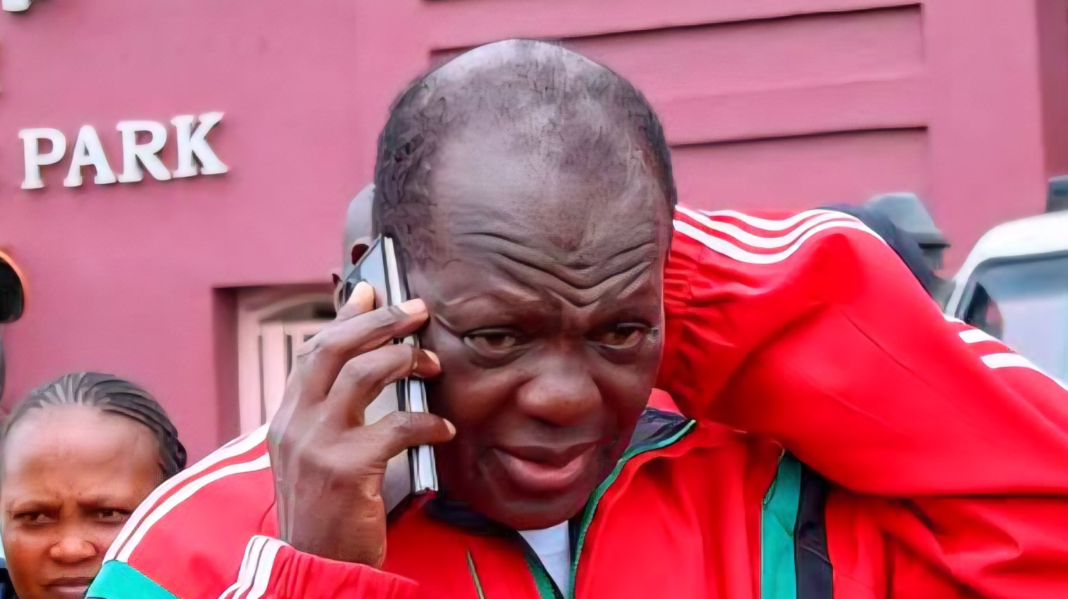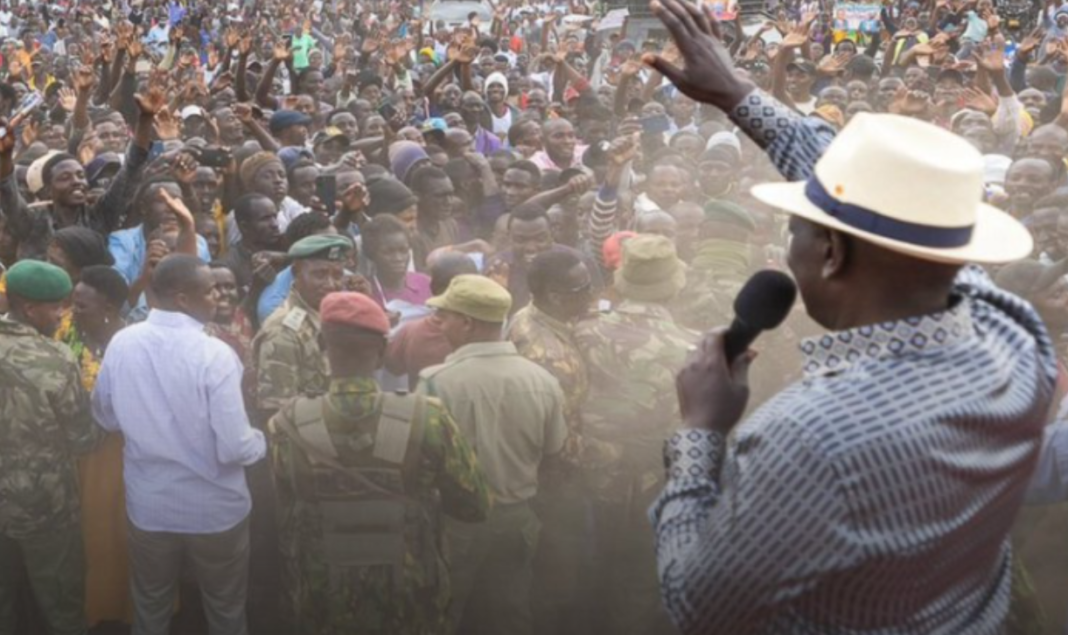
President William Ruto has launched a fierce attack on opposition leaders, accusing them of exploiting Tuju’s debt troubles for political mileage instead of offering real help.
His remarks have thrown fresh fuel into an already explosive saga involving former Cabinet Secretary Raphael Tuju, whose financial and legal woes have now turned into a national political flashpoint.
Speaking in Migori, Ruto painted a picture of manipulation, deception, and opportunism, raising serious questions about the true motives behind the opposition’s involvement in Tuju’s crisis.
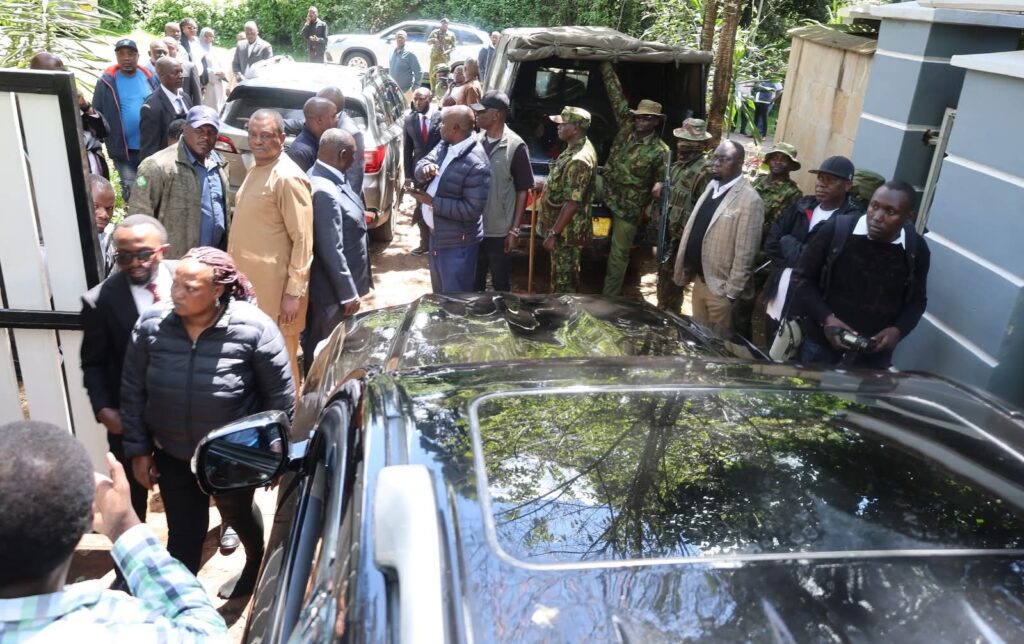
Inside Tuju’s Debt Troubles and the Political Storm Surrounding It
Ruto did not hold back. He claimed that certain opposition figures misled Tuju at the height of his crisis, allegedly advising him to stage an abduction to gain sympathy and shift public attention.
According to the president, this was not just reckless but deeply unethical. “Even recently, they went to lie to Tuju. They told Tuju to go and hide in his bedroom and pretend that he had been abducted,” Ruto said during the rally.
The accusations point to a broader narrative. Tuju’s financial struggles, widely reported as part of ongoing disputes over his high-value properties, have created a vulnerability that political actors may be exploiting. Instead of resolving the issue, Ruto argues, some leaders are turning it into a political weapon.
Ruto Targets Gachagua and Kalonzo
The President singled out opposition figures, including former Deputy President Rigathi Gachagua and Wiper leader Kalonzo Musyoka, accusing them of feeding off Tuju’s misfortune.
Ruto described them as opportunists seeking relevance through controversy.
He warned that their actions risk worsening Tuju’s already fragile situation. Instead of offering solutions, he said, they are escalating tensions and politicizing a deeply personal financial crisis.
The president urged them to step back and allow space for a structured resolution.
Allegations Drag Uhuru Kenyatta Into the Row
Ruto also criticized attempts to link former President Uhuru Kenyatta to the unfolding drama. He dismissed such claims as baseless and dangerous.
According to Ruto, dragging Uhuru into the issue only muddies the waters and distracts from the real problem—finding a solution to Tuju’s debt troubles. He framed this tactic as part of a wider strategy to gain political sympathy and attention.
Ruto insisted that Tuju needs practical help, not political theater.
Arrest, Health Scare, and DCI Involvement
The controversy escalated after the Directorate of Criminal Investigations arrested Tuju over claims that he faked his abduction.
DCI Director Mohamed Amin stated that investigations showed Tuju never left his Karen residence during the period he was reported missing. This revelation intensified public scrutiny and raised fresh doubts about the narrative surrounding his disappearance.
However, Tuju’s legal team pushed back.
They claimed he was mishandled during the arrest and suffered injuries while in custody. Shortly after, he was rushed to the hospital, with reports indicating that his health had deteriorated.
This development has added a human dimension to the saga. Beyond politics and allegations, there is a growing concern about Tuju’s well-being.
A Crisis Beyond Politics
Ruto’s central argument remains clear. Tuju’s debt troubles should not be turned into a political battleground.
He emphasized that the former CS needs honest advice, genuine support, and a clear path out of his financial difficulties. He warned against what he termed as “scavengers” circling around a vulnerable individual for political gain.
The President’s remarks signal a broader message to Kenya’s political class. Personal crises, especially those involving financial distress, should not become tools for scoring political points.
At the same time, the situation raises deeper questions. Are political actors exploiting private struggles for influence? Or is the government attempting to control the narrative around a sensitive case?
For now, Tuju remains at the center of a storm that blends debt, politics, and criminal investigations. What began as a financial dispute has evolved into a high-stakes political showdown.
And as the dust continues to rise, one reality stands out. Tuju’s debt troubles are no longer just about money—they are about power, perception, and the battle for public trust.