
Kenya is set for a major shift in its criminal justice system following Chief Justice Martha Koome’s recent appointments to a Standing Committee on Criminal Justice Reforms. The move aims to overhaul the way petty offences are handled and reduce police powers in minor arrests.
The 25-member committee, drawn from the Judiciary, National Police Service, ODPP, DCI, and other key security organs, will propose policies to modernize the system. Experts argue these reforms could reduce congestion in courts and decriminalize low-level offences that disproportionately affect ordinary citizens.
The reforms come after years of public outcry over harsh policing of minor infractions. Many Kenyans face arrests for offences like hawking without a licence, idling, spitting on footpaths, or loitering.
Human rights activists say these arrests disrupt lives unnecessarily and strain resources that could be better deployed to tackle serious crimes. The new committee is tasked with reviewing these laws and recommending reforms that balance enforcement with citizens’ rights.
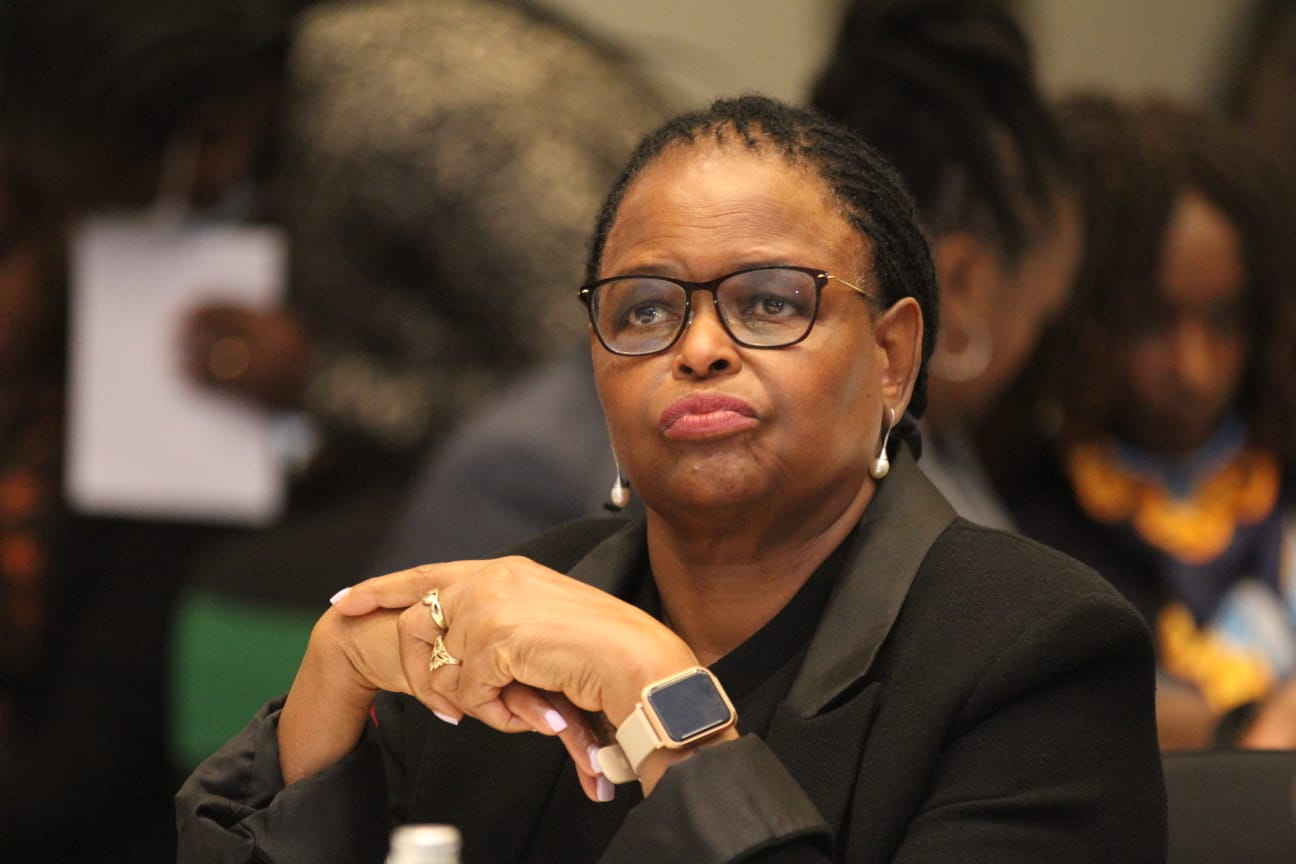
Committee to Review Petty Offences and Police Powers
The NCAJ Standing Committee on Criminal Justice Reforms will serve a three-year term, chaired by Justice Grace Ngenye. According to Chief Justice Koome, the panel will review existing laws criminalizing petty offences and recommend decriminalization where necessary.
Petty offences cover a wide range of minor violations, including street vending without a licence, being drunk and disorderly, loitering, littering, prostitution, and indecent exposure. Police currently hold broad powers to arrest for these offences, but critics argue this system is outdated and inefficient. The committee will examine legal frameworks, institutional practices, and administrative procedures to recommend changes that reduce unnecessary arrests while maintaining public order.
Koome emphasized that the committee must ensure Kenya’s criminal justice system aligns with constitutional principles. This involves removing legal barriers that hinder efficiency, fostering inter-agency collaboration, and designing mechanisms that protect citizens’ rights while maintaining accountability.
Reducing Arrests Could Improve Justice Delivery
Reforming powers over petty arrests is expected to have a significant impact on Kenya’s justice system. Currently, minor offences occupy a substantial portion of court dockets, delaying the resolution of serious cases. Experts argue that decriminalizing petty offences could ease congestion, reduce costs, and allow law enforcement to focus on violent and organized crime.
Additionally, reducing minor arrests would curb the social and economic consequences faced by citizens. Individuals detained for petty offences often lose work, income, and personal freedom. Human rights organizations have long criticized the system for disproportionately targeting vulnerable populations, including street vendors and youth.
The committee will not only review laws but also design policies to ensure that any arrest for petty offences is proportional, transparent, and justified. This step aims to restore public trust in law enforcement while enhancing efficiency within the justice sector.
Supporting Wider Criminal Justice Reforms
Beyond petty arrests, the committee has broader mandates. It will identify legal, institutional, and financial barriers hindering criminal justice, recommend reforms to strengthen cooperation between agencies, and propose policies that align with constitutional standards.
Chief Justice Koome also announced appointments to a Steering Committee on Mediation, chaired by Justice Aggrey Otsyula Muchelule. This 16-member team will promote alternative dispute resolution mechanisms, such as mediation, to reduce the burden on courts. The dual approach of reviewing petty arrests and institutionalizing mediation reflects a holistic vision to modernize Kenya’s criminal justice system.
The reforms highlight a growing recognition that law enforcement practices must evolve. Reducing police powers over minor offences is a step toward protecting citizens’ rights, improving court efficiency, and building a justice system that serves the public effectively.
As Kenya embarks on these reforms, all eyes are on the Standing Committee on Criminal Justice Reforms. Their recommendations could redefine policing, criminal accountability, and the balance between enforcement and personal freedom in the country.