The United States and several Gulf nations have announced plans to purchase Ukrainian interceptor drones to defend against Iranian Shahed drones. This decision comes in the wake of Iranian strikes targeting critical U.S. military infrastructure in the Gulf, including bases in Qatar, Kuwait, the United Arab Emirates, and Bahrain.
The move underscores growing concerns about cost-effective air defence solutions amid rising drone threats and highlights Ukraine’s emerging role as a global supplier of battle-tested, low-cost interceptor systems.
Ukrainian Interceptors Offer Affordable Air Defence
Ukraine developed these interceptor drones during its ongoing conflict with Russia. Facing frequent drone attacks, Kyiv sought a cheaper and scalable method to neutralize incoming aerial threats. Traditional air defence systems, such as the Patriot missile, cost approximately $13.5 million per interceptor, while the Iranian Shahed drones they are designed to counter cost around $30,000 each. In contrast, Ukraine’s interceptor drones are mass-produced at a fraction of the cost, making them highly attractive to nations facing sustained drone threats.
The interceptors are designed to detect, engage, and destroy incoming unmanned aerial vehicles before they reach critical military infrastructure. Their proven effectiveness in Ukraine’s war has drawn international attention, positioning Kyiv as a potential supplier for countries seeking cost-efficient air defence options.
U.S. and Gulf Cooperation on Drone Defence
Reports indicate that the U.S. and Gulf nations are considering the Ukrainian drones because of their operational efficiency and significant cost advantage. By purchasing these interceptors, countries can reduce the financial burden of conventional air defence while maintaining high defensive capability against smaller drones like the Shahed.
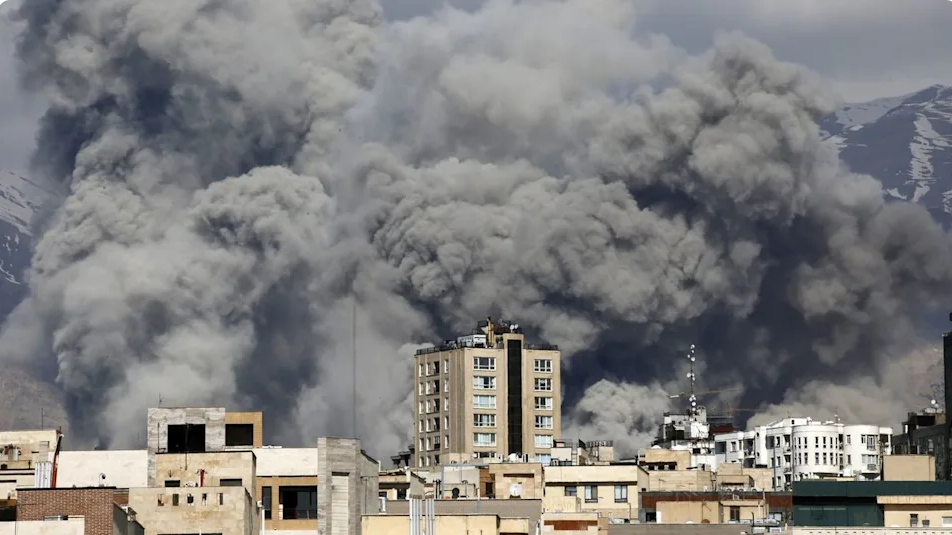
The move follows a series of Iranian attacks that targeted Al Udeid Air Base in Qatar, Ali Al Salem Air Base in Kuwait, Al Dhafra Air Base in the UAE, and U.S. facilities linked to its headquarters in Bahrain. The strikes reinforced the need for practical, rapidly deployable drone interception solutions that can complement existing air defence systems.
Zelenskyy Offers Expertise and Support
Ukraine’s President Volodymyr Zelenskyy has also signaled willingness to provide expertise and operational support for Gulf nations. In a phone conversation with UAE President Mohamed bin Zayed Al Nahyan, Zelenskyy expressed condolences for the victims of the recent Iranian strikes and discussed collaboration to protect civilians and critical infrastructure.
“We discussed how we can help in this situation and support the protection of lives. It was agreed that our teams will work on this. Protecting lives is a shared priority for everyone in the world,” Zelenskyy stated.
Furthermore, Zelenskyy told Bloomberg that Kyiv could send its top drone interception experts to the Middle East if Gulf nations persuade Russia to agree to a long-term truce in Ukraine’s war. This offer highlights Ukraine’s willingness to leverage its frontline experience in counter-drone operations to enhance regional security.
Strategic and Financial Implications
The proposed acquisition of Ukrainian interceptor drones marks a significant shift in the defence strategy of the Gulf nations and the U.S. It reflects a growing trend toward cost-effective and technologically flexible solutions to counter the rising threat of drones. Compared to the high costs of traditional systems, the Ukrainian drones provide a sustainable option for sustained operations without compromising defensive coverage.
Analysts note that this development also positions Ukraine as a strategic partner for countries facing asymmetric aerial threats. Beyond financial benefits, the collaboration fosters deeper military and technological ties between Kyiv and Gulf nations, expanding Ukraine’s influence in international defence markets.
The decision to acquire Ukrainian interceptor drones is expected to accelerate in the coming months, with both procurement and operational deployment under discussion. As Iranian drone attacks continue to pose threats across the Gulf, countries are seeking solutions that balance cost, efficiency, and effectiveness. Ukraine’s battle-tested technology, combined with its operational expertise, offers a timely and practical solution for regional security.
By integrating these systems, Gulf nations and the U.S. aim to strengthen their defensive posture while reducing reliance on expensive, conventional missile systems. The cooperation also signals the international community’s recognition of Ukraine’s innovation and expertise in modern drone warfare, potentially paving the way for further global partnerships in drone defence.