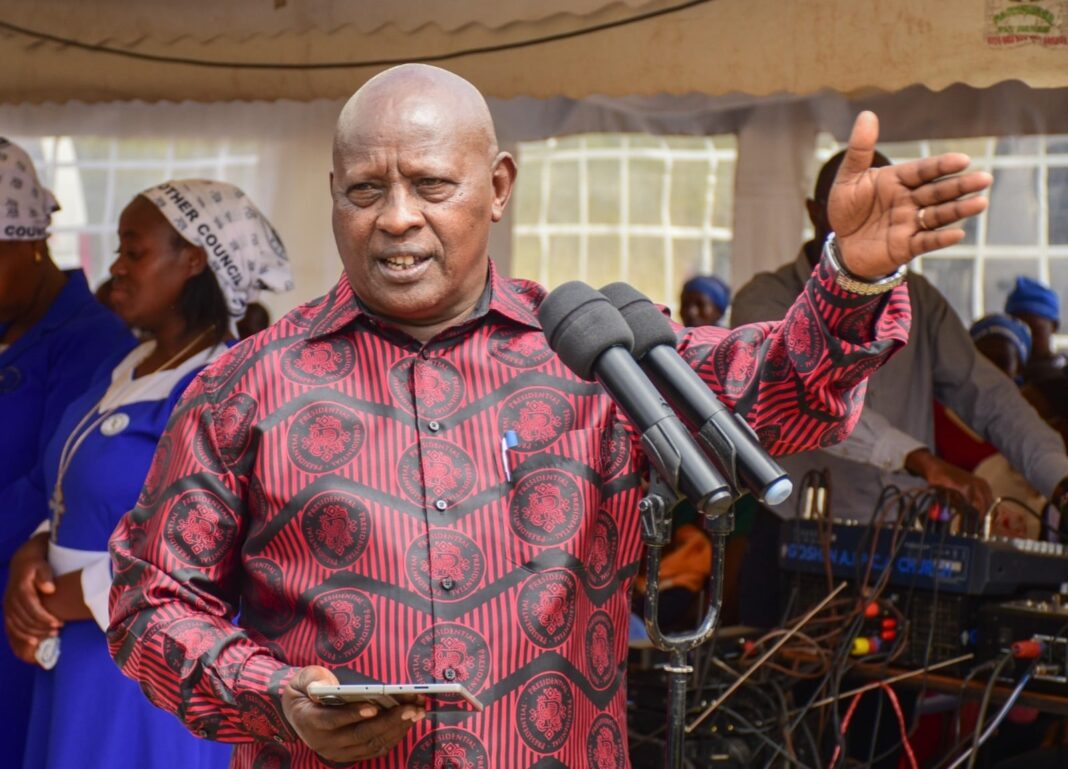
The Nairobi Metropolitan Police Unit is emerging as one of the most ambitious security reforms in Kenya’s recent history. Interior Cabinet Secretary Kipchumba Murkomen has disclosed detailed plans that position the unit as a transformative model for urban policing.
Speaking in Nakuru, Murkomen outlined a technology-driven, research-backed framework that will redefine how the capital confronts crime. Supported by President William Ruto and Nairobi Governor Johnson Sakaja, the initiative signals a strategic shift toward data intelligence, intergovernmental coordination, and private sector integration in tackling Nairobi’s complex security challenges.
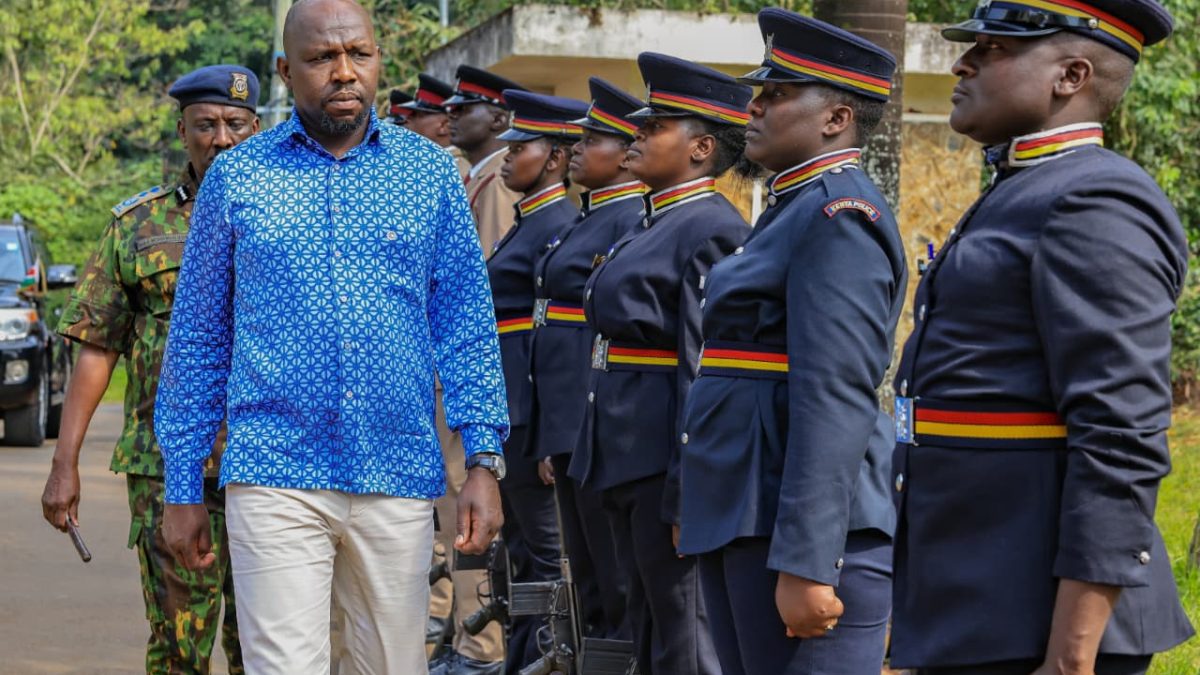
Nairobi Metropolitan Police Unit Positioned as National Urban Policing Prototype
Murkomen described the Nairobi Metropolitan Police Unit as a prototype that will guide reforms in other major cities, including Kisumu, Mombasa, Eldoret, and Nakuru, before expanding to emerging urban centres across the country. He emphasized that the framework reflects deliberate planning rather than political symbolism, explaining that policymakers conducted comparative studies of global metropolitan policing systems before finalizing the proposal.
According to Murkomen, the government examined how leading international cities restructured their security agencies to respond to evolving urban threats such as organized crime, financial fraud, and high-density residential insecurity. He stated that authorities relied on documented best practices and empirical research to shape the operational design of the Nairobi Metropolitan Police Unit, ensuring that the model aligns with modern urban realities rather than outdated policing traditions.
The Cabinet Secretary confirmed that the proposal was formally introduced on February 17 during the signing of a cooperation agreement between Nairobi County and the national government. President Ruto presided over the event and immediately set a strict 60-day deadline for the development of a comprehensive operational framework, a directive that underscores both urgency and executive backing.
Ruto cited the Nairobi River restoration initiative as evidence that structured collaboration between county and national governments can produce measurable outcomes, noting that the project has already created employment opportunities for more than 45,000 young people. He framed the Nairobi Metropolitan Police Unit as the next phase of institutional cooperation aimed at strengthening governance and public safety in the capital.
Murkomen argued that Nairobi’s security landscape requires a specialized response because urban crime patterns differ significantly from those in rural areas. He noted that officers in the capital confront complex networks that exploit digital platforms, densely populated settlements, and sprawling commercial districts, which demand coordinated intelligence and rapid operational deployment.
Advanced Surveillance and Artificial Intelligence to Drive Operations
Technology will anchor the operational backbone of the Nairobi Metropolitan Police Unit. Murkomen confirmed that the government will upgrade the city’s surveillance infrastructure from NC3 to NC4, a transition designed to enhance analytical capacity, expand data integration, and strengthen real-time monitoring capabilities.
The upgrade will introduce Artificial Intelligence systems capable of identifying crime trends based on geography and offense categories, thereby enabling law enforcement agencies to deploy personnel strategically rather than reactively. Murkomen explained that AI tools will analyze large volumes of data to identify hotspots, recurring patterns, and potential risk areas, allowing officers to intervene proactively before incidents escalate.
In addition to expanding public surveillance infrastructure, the government intends to integrate privately owned CCTV networks into a unified security ecosystem. Murkomen revealed that officials plan to collaborate with Nairobi’s business community to ensure that private camera systems in commercial hubs and residential estates operate seamlessly with police monitoring systems.
He explained that interoperability will accelerate investigations by enabling officers to trace suspect movements across multiple locations without administrative delays, thereby reducing response times and strengthening evidentiary documentation. This integration, he argued, will transform how the Nairobi Metropolitan Police Unit collects intelligence and reconstructs criminal activity across the city’s interconnected districts.
While the initiative promises operational efficiency, it also raises legitimate questions regarding privacy safeguards and data protection standards. Murkomen, however, maintained that the government will implement appropriate oversight mechanisms to balance security objectives with constitutional protections.
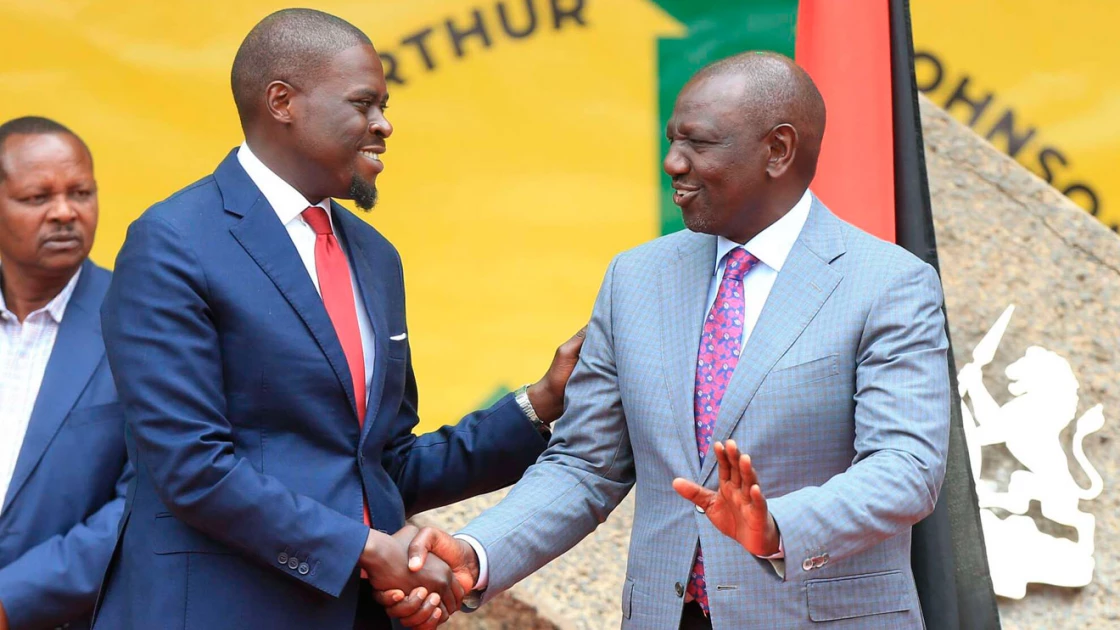
County National Alliance Signals Deeper Governance Alignment
Beyond its technological ambitions, the Nairobi Metropolitan Police Unit reflects a broader political alignment between State House and City Hall. President Ruto has strengthened collaboration with Governor Sakaja, publicly inviting him to join inspections of ongoing development projects across the county, a gesture that signals institutional cohesion rather than fragmented authority.
Murkomen emphasized that the new unit will address longstanding coordination gaps between county administrative structures and national security agencies, arguing that overlapping mandates have historically diluted operational efficiency in the capital. By consolidating strategic planning under a unified metropolitan framework, the government aims to streamline command structures and eliminate bureaucratic bottlenecks.
If the Nairobi Metropolitan Police Unit achieves its intended objectives, authorities will replicate the model in Nakuru, Kisumu, Mombasa, and Eldoret, adapting the framework to suit each city’s demographic and economic profile. Officials view Nairobi as the testing ground where policymakers will refine operational protocols, technological integration systems, and governance structures before implementing a nationwide rollout.
The political stakes surrounding the initiative remain significant. Urban insecurity directly affects investor confidence, economic productivity, and public trust in governance institutions. Nairobi functions as Kenya’s commercial nerve centre, and any measurable improvement in security performance could generate ripple effects across national development metrics.
Murkomen now carries the responsibility of translating ambitious policy declarations into a coherent operational strategy within the 60-day timeline set by President Ruto. The coming weeks will determine whether the Nairobi Metropolitan Police Unit evolves into a transformative benchmark for urban security reform or struggles under the weight of expectation.