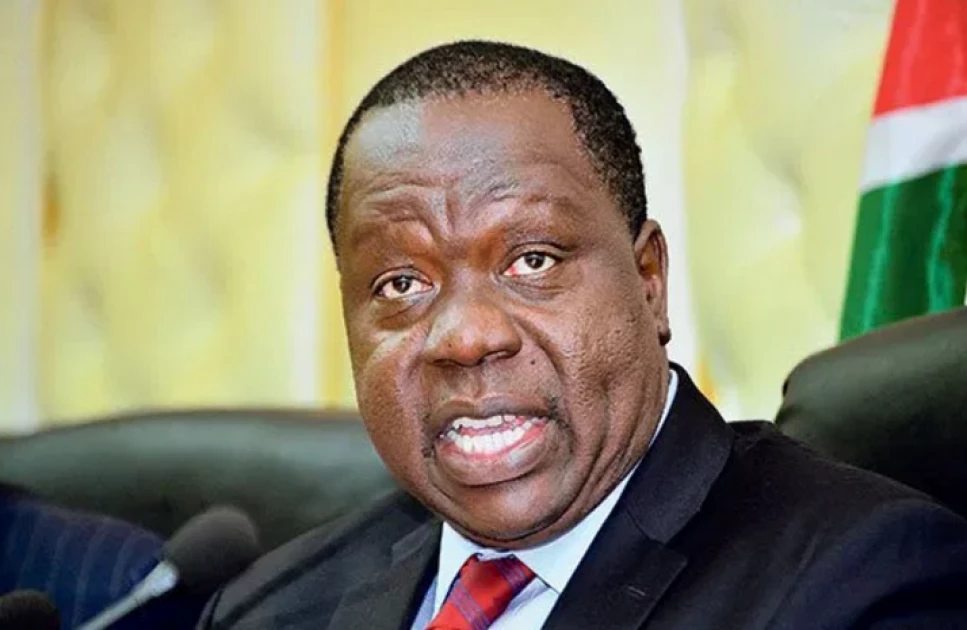
National Assembly Majority Leader Kimani Ichung’wah has revealed alarming details linking Kenyan agencies and rogue officials to an emerging recruitment pipeline feeding the Russian military.
Intelligence reports show that over 1,000 Kenyans, many struggling with unemployment, have been lured with promises of high salaries, bonuses, and even Russian citizenship. Recent updates confirm that at least 200 are now in active combat roles.
Investigators warn the scheme exploits desperate job seekers and exposes Kenya to serious diplomatic and human trafficking risks, raising urgent questions about national oversight.
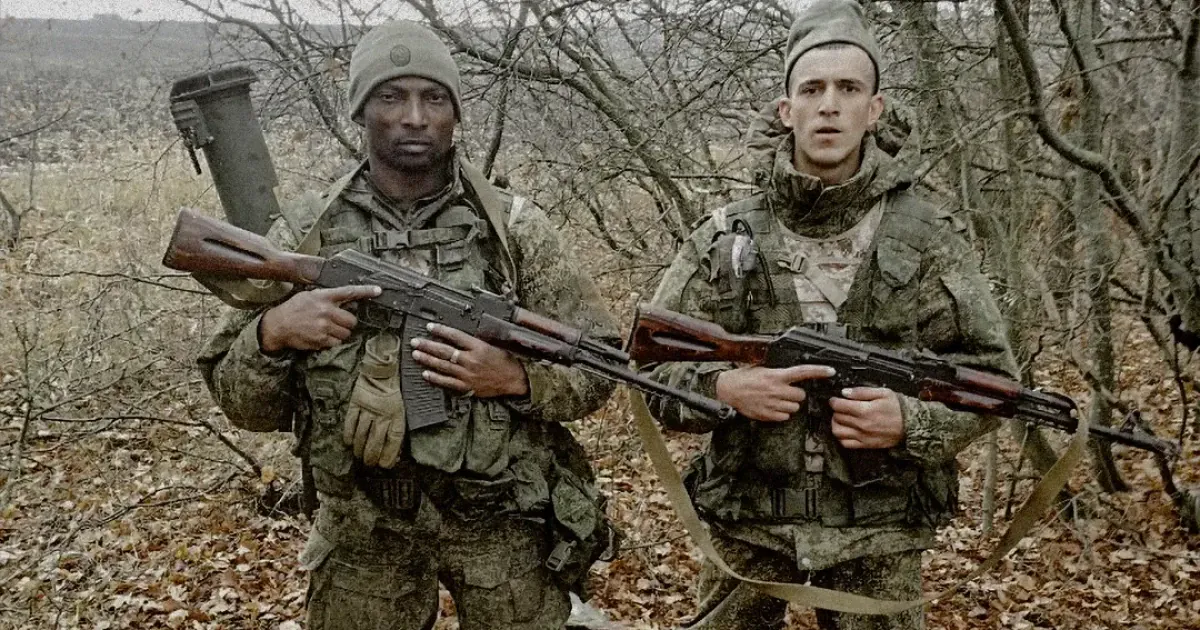
Russian-Ukraine Recruitment Targets Kenyan Youth Through Rogue Agencies
According to the National Intelligence Service (NIS), the ongoing Russian-Ukrainian conflict has spurred aggressive recruitment of foreign fighters. Kenyans targeted include ex-police officers, former soldiers, and civilians aged 25 to 50. Recruiters have reportedly offered monthly wages of Ksh350,000, bonuses ranging from Ksh900,000 to Ksh1.2 million, and promises of Russian citizenship to those willing to fight.
Many recruits have flown out of Kenya on tourist visas via Istanbul and Abu Dhabi, while others used routes through Uganda, the Democratic Republic of Congo, and South Africa to bypass stricter scrutiny at Jomo Kenyatta International Airport. The scheme also involves Kenyans already working in Qatar, Saudi Arabia, Afghanistan, Dubai, Jordan, and other parts of Asia who relocated to Russia for lucrative opportunities.
Intelligence submissions to the Directorate of Criminal Investigations indicate that rogue airport staff, together with officials from the Directorate of Immigration Services, the Anti-Narcotics Unit, and the National Employment Authority, facilitated these departures without interception. Some embassy staff in Nairobi and Moscow allegedly assisted in issuing Russian-visit visas to the recruits.
Agencies Operating in Plain Sight
One agency reportedly recruiting under the guise of the Kazi Majuu initiative operates along Koinange Street in Nairobi. Victims say medical screenings for the recruits were conducted at three separate agencies in the Nairobi CBD before departure. Investigators from the Transnational Organized Crimes Unit raided holding premises at Great Wall Garden Apartments in September 2025, rescuing 22 Kenyans aged 24 to 38 who were awaiting travel.
Returned recruits describe undergoing three weeks of military training in Moscow before being deployed to combat zones, despite earlier promises of non-combat jobs such as drone painting. This breach has placed many in life-threatening situations, with the latest February 2026 tallies showing 39 hospitalized, 30 repatriated, 28 missing in action, 35 stationed in camps, 89 on the front line, one detained, and one completing their contract.

Rising Human Costs
Separate reports indicate at least 10 confirmed deaths, possibly rising to 18. Four Kenyans remain prisoners of war in Ukrainian custody, while approximately 27 others are unaccounted for. The recruitment exposes Kenya not only to human trafficking and exploitation risks but also to diplomatic strain, as foreign fighters’ presence in conflict zones complicates international relations.
Security agencies have pledged continued intelligence sharing to dismantle networks exploiting vulnerable youth. Ichung’wah emphasized the urgent need for coordinated action, highlighting that rogue officials operating under the guise of legitimate employment initiatives are directly responsible for endangering Kenyan citizens abroad.
The revelations underscore a growing threat: organized recruitment networks exploiting the desperation of unemployed and underemployed Kenyans. Without decisive interventions, this pipeline could expand further, entangling more citizens in foreign conflicts and deepening Kenya’s diplomatic and security challenges.