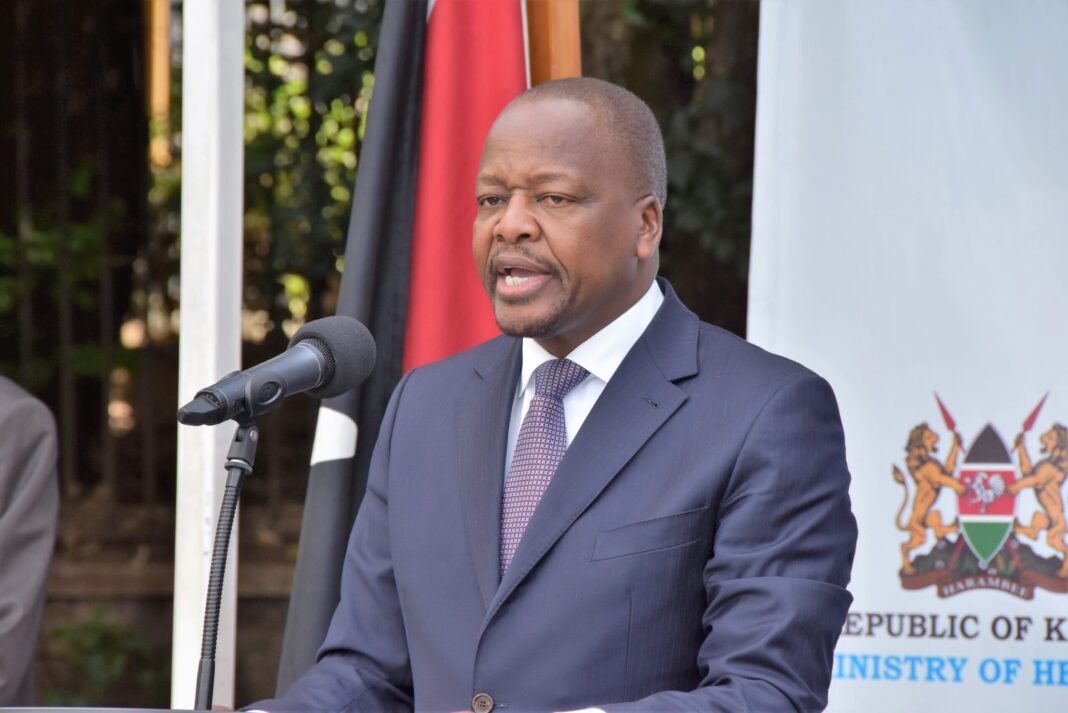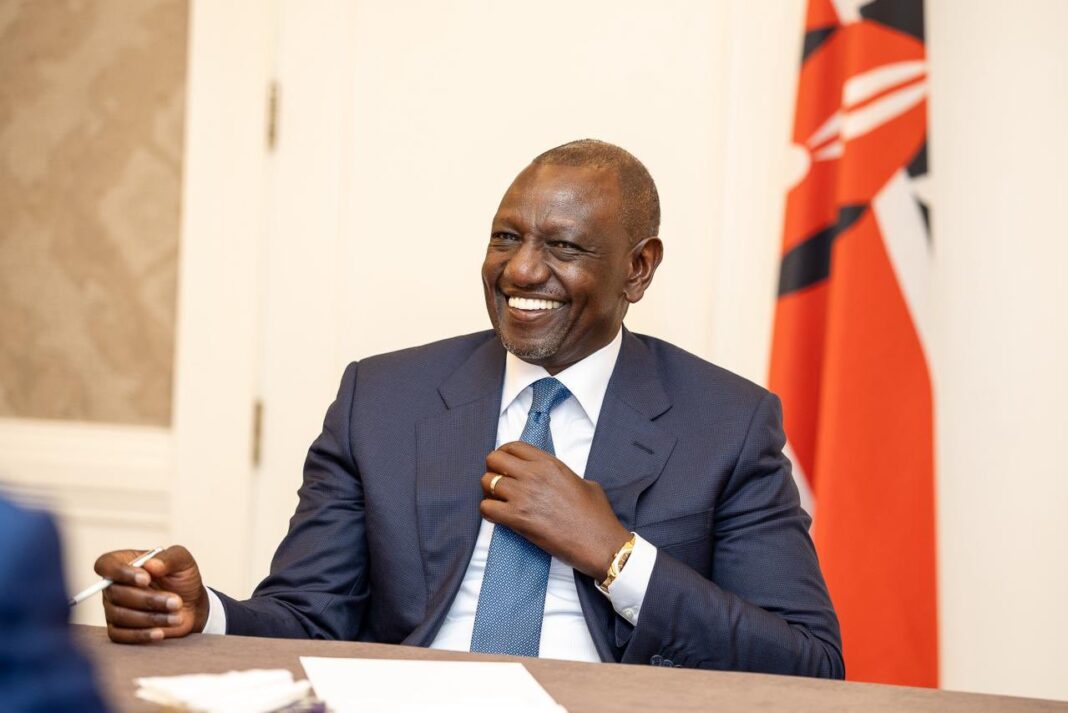
Kenya has entered a new phase of financial dependency, political bargaining, and diplomatic calculation after Washington approved a KSh129 billion debt-for-food deal. President William Ruto secured the agreement during his meeting with Ben Black, the CEO of the U.S. International Development Finance Corporation in Washington, D.C.
The deal promises cheaper credit, new food security spending, and deeper ties with the United States. But behind the celebration lies a heavy conversation about sovereignty, debt pressure, and Kenya’s growing reliance on foreign-backed recovery plans. This article breaks down the winners, the risks, and the unanswered questions.
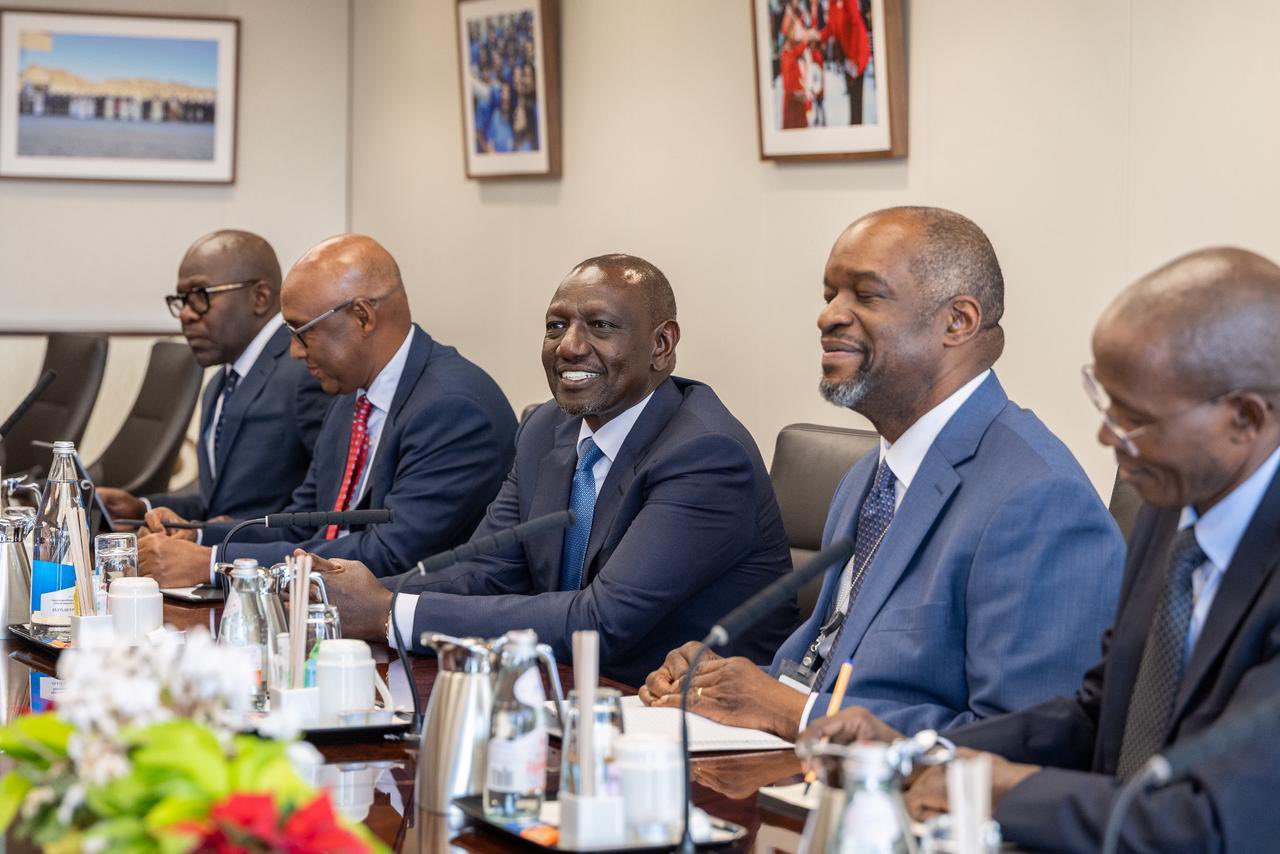
How the Debt-for-Food Deal Reshapes Kenya’s Political and Economic Path
The Debt-for-Food Deal promises relief for a country suffocating under high-interest commercial loans. Under the agreement, the U.S. International Development Finance Corporation will buy part of Kenya’s expensive debt and offer cheaper repayment terms. The move cuts interest costs and frees up cash that the government plans to redirect to food security programmes.
President Ruto called the arrangement a “smart and sustainable approach” and praised Washington for approving the USD 1 billion swap. He argued that the deal aligns with Kenya’s development agenda and supports long-term economic growth.
Yet the political weight of the deal is massive. The United States gains stronger leverage in Nairobi, while Kenya becomes more dependent on external partners to manage its financial distress. The deal lands at a time when food insecurity, climate shocks, and economic frustration continue to expose deep cracks in the country’s governance structures.
Officials revealed that the savings from the new financing terms will go into agricultural infrastructure, climate-smart farming, nutrition programmes, and hunger management initiatives. These commitments aim to address long-standing structural weaknesses in Kenya’s food system. But critics warn that the government has a history of making big promises without following through, especially in sectors vulnerable to corruption.
The DFC, an American government agency focused on development through private sector investment, plans to expand its footprint in Kenya. Washington will also station a permanent representative in Nairobi from January 2026 to monitor projects and accelerate new partnerships. This move gives the U.S. a strategic presence in a region where China has dominated for years through infrastructure lending.
President Ruto confirmed that the DFC also wants to support Kenya’s National Infrastructure Fund and push investments in roads, ports, and Jomo Kenyatta International Airport. These commitments signal that the Debt-for-Food Deal is more than a financial swap; it is the foundation for a wider economic and geopolitical partnership.
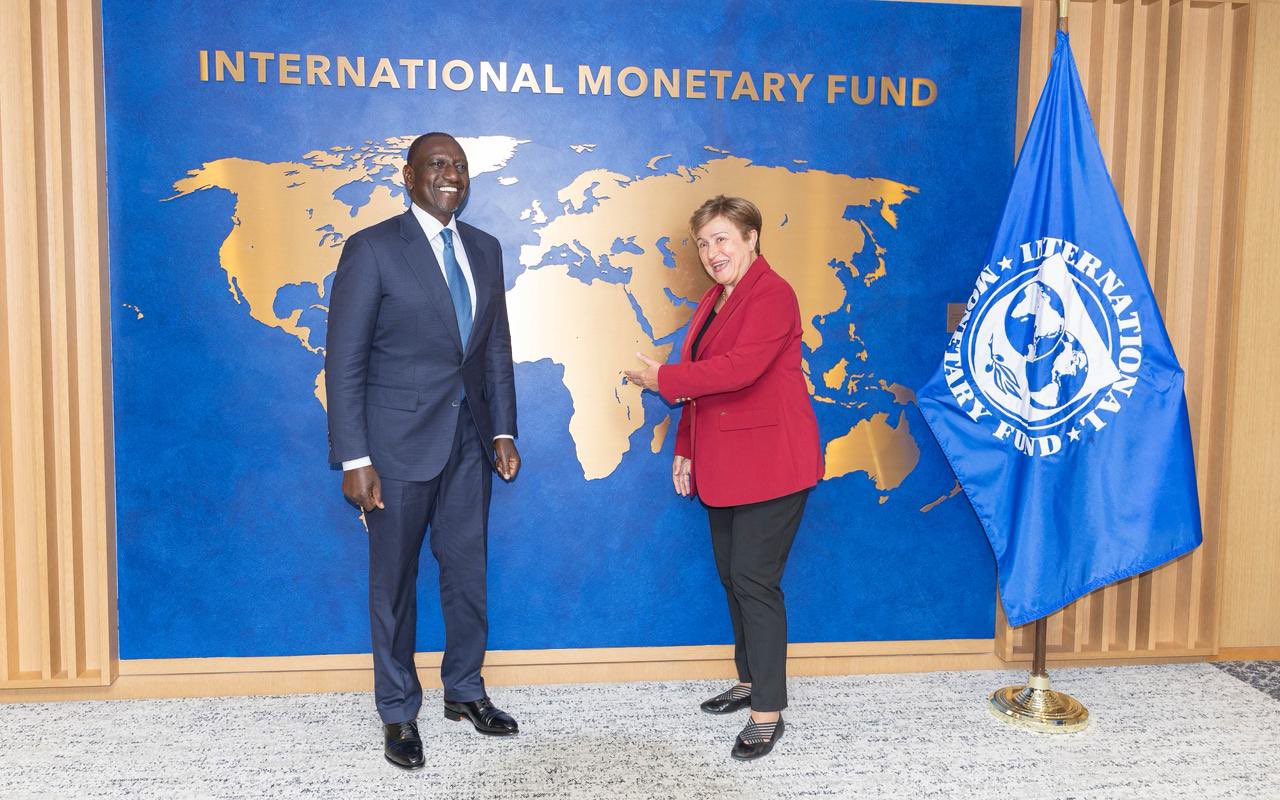
At the same time, the Ruto administration is juggling another major relationship. The President held discussions with IMF Managing Director Kristalina Georgieva to secure continued support for Kenya’s reform agenda.
But confusion hangs over Kenya’s next move. While the Treasury wants a funded IMF programme, the Council of Economic Advisors prefers returning to commercial markets. This split exposes the government’s internal contradictions and the uncertain direction of its economic strategy.
DFC Deepens Influence in Kenya
The DFC’s growing involvement in Kenya signals a shift in the balance of foreign influence. For years, Kenya relied heavily on Chinese loans for infrastructure, but rising debt stress and public anger pushed the government to seek new partners. Washington saw an opening and moved fast.
Under the Debt-for-Food Deal, the U.S. gains more control over Kenya’s fiscal reforms and access to sectors that shape the country’s political stability. The placement of a DFC representative in Nairobi marks a new era of oversight, diplomacy, and strategic alignment.
Kenya’s political class remains divided on whether this shift strengthens or weakens the country. Some view the U.S. engagement as a safer alternative to China’s opaque lending model. Others fear that Kenya is trading one form of dependency for another.
Food Security Investments Remain the Biggest Test
The government says the freed-up money will rebuild the broken food system. But Kenya’s history with donor-backed food programmes is riddled with failures. Past funds disappeared in corruption networks, procurement scams, and political interference.
For the Debt-for-Food Deal to succeed, the government must demonstrate new levels of transparency. Agricultural infrastructure, climate-smart technology, and nutrition initiatives require strict oversight. The public will watch closely to see if the money actually reaches farmers and vulnerable communities.
Food security is a politically explosive issue. Rising hunger weakened past governments, and any misuse of funds could become a major political crisis for Ruto.
IMF Pressure Complicates the Picture
Even with the Debt-for-Food Deal, Kenya still faces IMF pressure for tougher reforms. The IMF wants spending cuts, new taxes, and strict fiscal discipline. These conditions already fuel public anger and protests.
The uncertainty within the Ruto administration about the next financing path shows how fragile the situation is. Kenya may end up locked between IMF demands and Washington’s strategic expectations, limiting its room to pursue independent policy.
The coming months will reveal whether the Debt-for-Food Deal becomes a turning point or another political burden. For now, Kenya has won temporary relief, but the long-term cost of this partnership remains an open question.