Kenya has committed itself to another massive debt as it inks a Ksh24 billion loan with China EximBank to fund Nairobi’s Intelligent Transport System (ITS) Project. The deal, signed on Wednesday, November 26, promises modern digital traffic management across the capital’s congested roads.
While government officials hail the project as a game-changer for commuters and economic efficiency, critics question the wisdom of deepening external borrowing as Kenya struggles under an already heavy debt burden.
The ITS Project aims to overhaul traffic flow in Nairobi by installing cameras, sensors, and smart traffic lights at 25 roundabouts. Authorities say this will reduce congestion, minimize reliance on traffic police, enhance road safety, and cut travel times for millions of city residents.
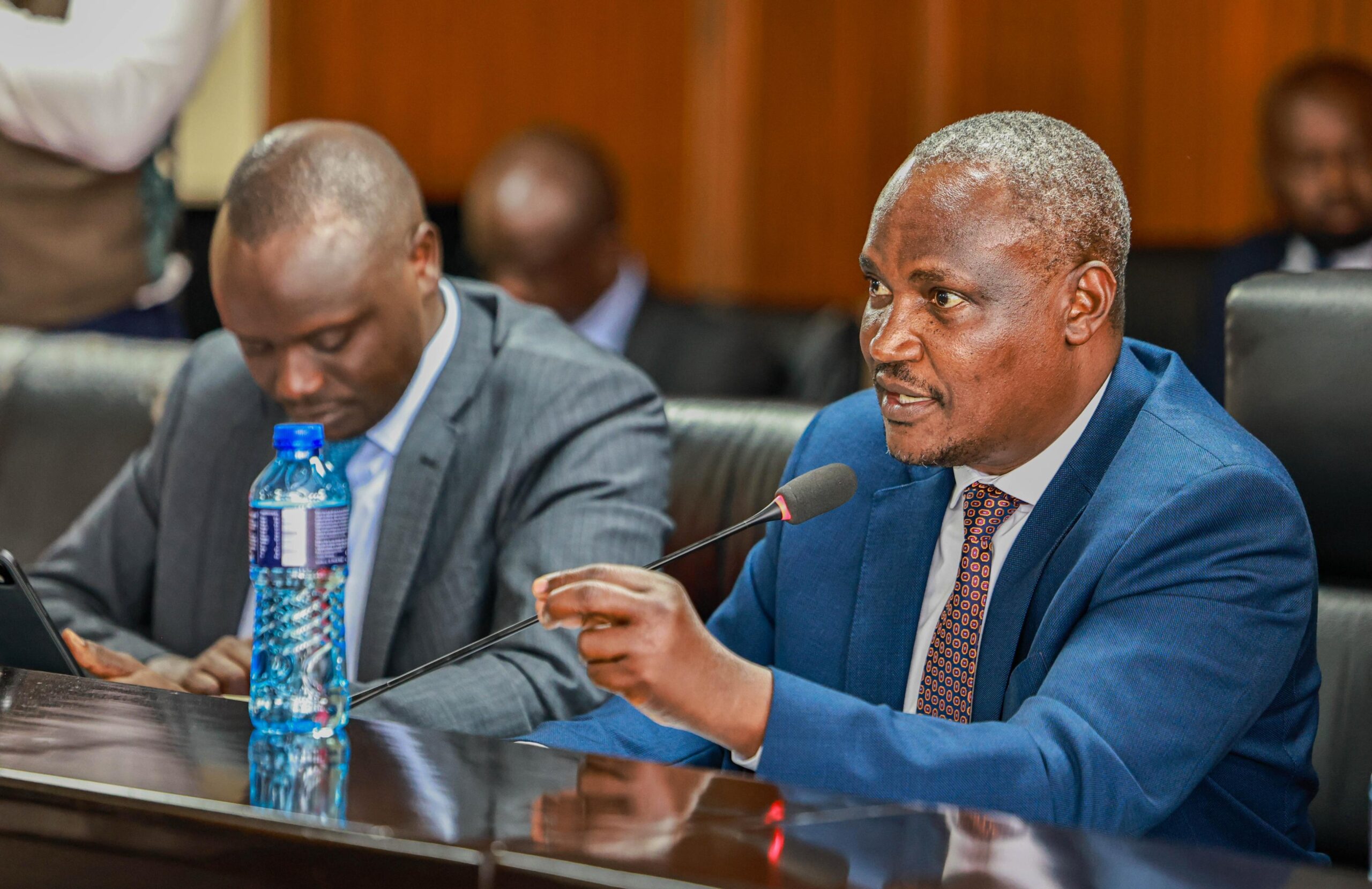
Govt Touts Ksh24 Billion Nairobi Traffic Management System as a Key Mobility Upgrade
The loan agreement, valued at USD 185 million (about Ksh24 billion), was signed by Treasury Cabinet Secretary John Mbadi and China EximBank Deputy General Manager Zhu Jia. Witnessing the signing were China EximBank Chairman Chen Huaiyu and PS Chris Kiptoo.
Officials emphasized that the ITS Project is a critical pillar in Kenya’s broader integrated transport management framework, aimed at modernizing mobility along major transport corridors.
Mbadi expressed optimism about the project, noting that once implemented, the system will improve traffic coordination, reduce congestion, and strengthen the country’s digital backbone. “These efficiencies will translate into economic savings, increased productivity, and a better experience for millions of road users,” a Treasury statement read.
Chen Huaiyu highlighted the project’s significance beyond traffic management, noting that it would reinforce diplomatic ties between Kenya and China while contributing to long-term national development.
Expensive Investment Raises Questions About Kenya’s Debt Load
The new loan adds to Kenya’s mounting public debt, which has raised concern among economists and civil society. According to recent Treasury reports, the government was expected to contribute roughly Ksh6 billion for the project, leaving the bulk of funding to external sources like China EximBank.
Critics warn that piling up foreign debt for urban infrastructure could strain public finances, especially given delays in project implementation and ongoing fiscal pressures.
Implementation Delays Could Affect Project Timeline
Although the ITS Project was originally slated for completion by January 2025, several factors have pushed back the timeline. Pending design approvals, incomplete procurement processes, and logistical planning have slowed progress. Officials insist these challenges are temporary and that the ITS system remains a priority for improving Nairobi’s traffic management.
Project Promises Efficiency Gains for Commuters and Economy
Once operational, the ITS system will integrate traffic lights, sensors, and cameras to optimize signal timing, monitor congestion, and provide real-time data for traffic controllers. The government argues that improved traffic flow will not only save commuters time but also cut fuel consumption, lower emissions, and boost productivity in the capital. Officials say this could have a ripple effect on economic growth, particularly in Nairobi’s bustling business districts.
Despite the potential benefits, some analysts question whether the high loan costs justify the projected gains. They argue that Kenya must balance infrastructure investment with debt sustainability to avoid exacerbating financial vulnerabilities.
The Ksh24 billion Nairobi Traffic Management loan underscores Kenya’s reliance on foreign financing for critical infrastructure projects, highlighting both the promise and perils of large-scale borrowing. While ITS may modernize urban mobility and enhance economic efficiency, its long-term impact will be closely watched by citizens and debt watchdogs alike.