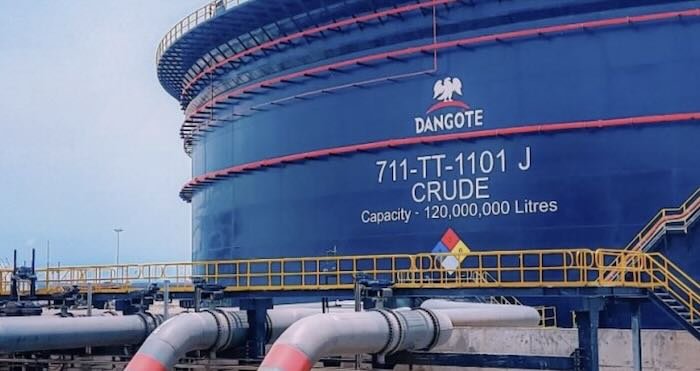
Kenya is turning to Nigerian billionaire Aliko Dangote’s refinery for fuel as fears of a looming shortage grow amid escalating conflict in the Middle East.
South Africa and other African nations are also scrambling to secure supplies from the Dangote Petroleum Refinery and Petrochemicals, highlighting how regional energy security is now tied to private industrial giants.
Rising Fuel Crisis Forces Kenya to Seek Supplies from Dangote Refinery
Instability in key oil-producing regions has sent shockwaves through global supply chains. Countries across Africa, including Kenya, are racing to secure fuel from Dangote’s refinery to avoid crippling shortages.
The refinery produces roughly 650,000 barrels per day, but about 75 per cent is reserved for domestic Nigerian consumption. That leaves a limited volume for export, forcing governments to negotiate aggressively for available supplies.
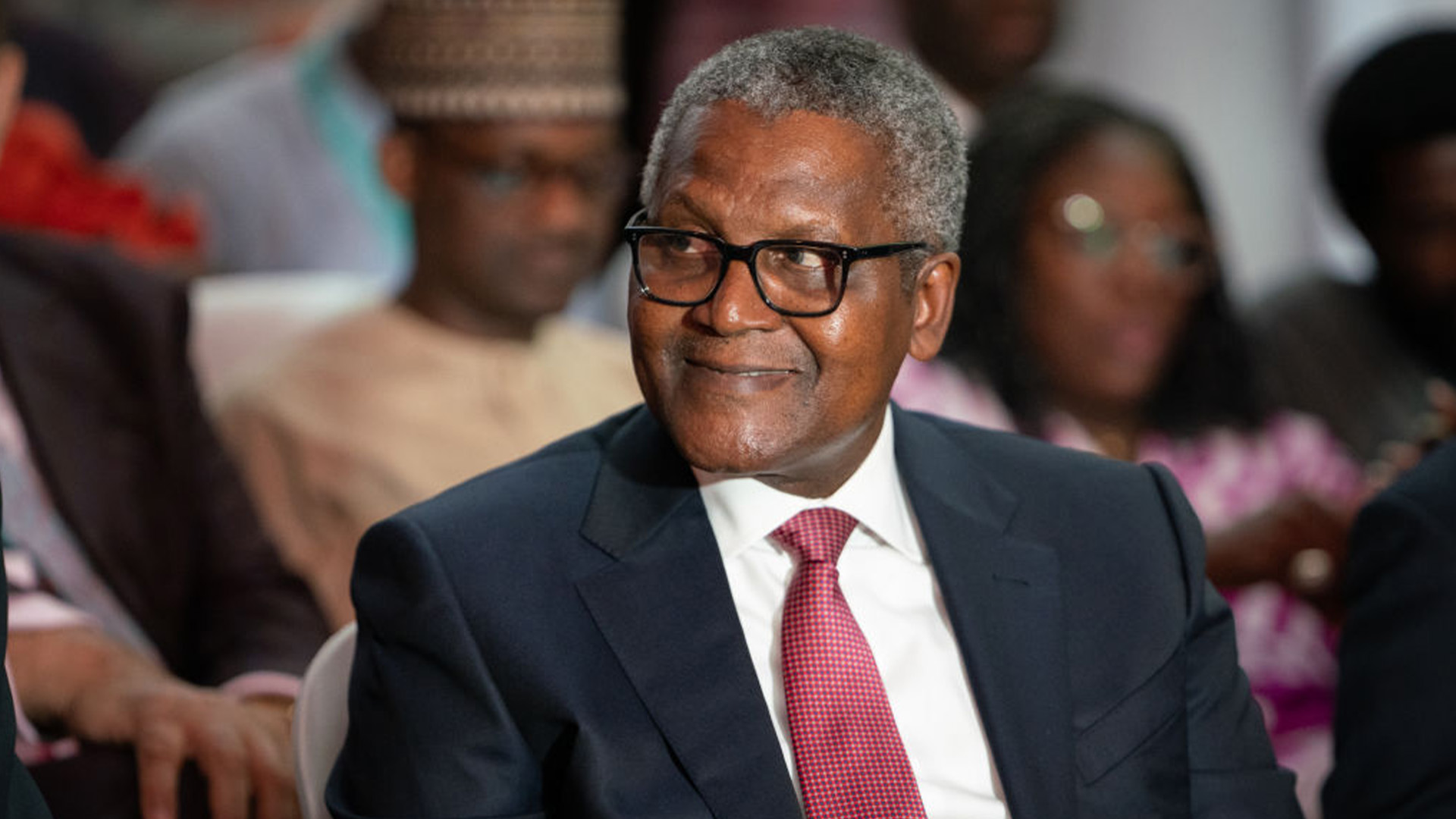
Aliko Dangote told The Economist that the critical challenge is availability, not pricing, as demand consistently exceeds output.
Impact on Kenya’s Fuel Market
Kenya consumes roughly 100,000 barrels of fuel daily, all imported through Mombasa. Regulations require importers to maintain only 21 days of reserves, leaving the country vulnerable to supply disruptions.
Suppliers have begun rationing petrol and diesel, while some distributors have temporarily run out of stock. Rural areas are particularly hard hit, with several fuel stations forced to close due to shortages, according to Petroleum Outlets Association of Kenya Chairperson Martin Chomba.
Concerns are mounting that delayed shipments or threats to the Strait of Hormuz—a key transit route carrying 21 per cent of global oil—could worsen the situation. Kenya heavily relies on Gulf imports under government-to-government fuel agreements, making the country particularly sensitive to Middle East disruptions.
Government Reassurances and Price Stability
Despite the looming supply concerns, the Energy and Petroleum Regulatory Authority (EPRA) announced that fuel prices will remain unchanged for the March-April cycle. Super Petrol retails at Ksh178.28, Diesel at Ksh166.54, and Kerosene at Ksh152.78 in Nairobi.
Energy Cabinet Secretary Opiyo Wandayi reassured the public, stating that Kenya has adequate fuel reserves and that there is no immediate shortage. However, the scramble for Dangote refinery supply underscores the fragility of Kenya’s dependence on foreign fuel.
Africa Looks to Dangote Amid Global Energy Shifts
Across the continent, African governments are reaching out to Dangote’s refinery to secure their energy needs. Kenya’s pivot highlights how private infrastructure in Nigeria is now central to regional energy stability.
While the refinery offers a temporary buffer, experts warn that current production cannot fully meet the surge in demand. African nations will need to diversify sources and strengthen domestic capacity to withstand global supply shocks.