The Ministry of Foreign Affairs has defended Kenya’s decision to grant immunity and privileges to the Global Center on Adaptation (GCA), an international non-governmental organization headquartered in Rotterdam, Netherlands.
This comes after Kenyans questioned why yet another foreign entity had been accorded diplomatic protection. The Ministry, through Foreign Affairs Principal Secretary Korir Sing’oei, maintained that the process followed due legal channels and was not influenced by any external pressure.
Sing’oei explained that the decision aligns with Kenya’s climate diplomacy and green growth agenda, which benefit from partnerships with global institutions. He stated that the GCA plays a critical role in driving climate adaptation strategies that help vulnerable countries, including Kenya, respond to climate-related challenges.
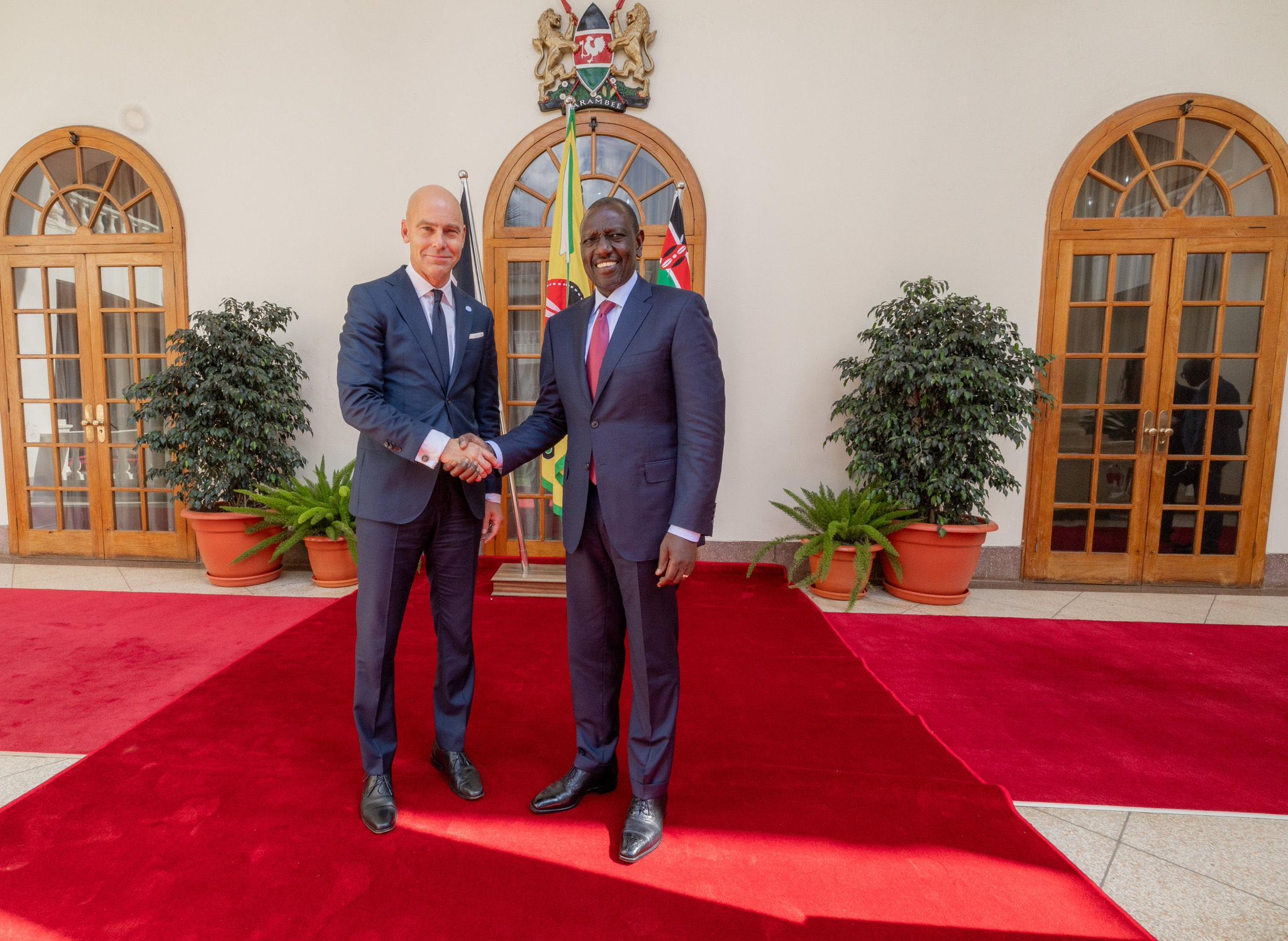
Kenya Explains Why It Granted Immunity to Global Center on Adaptation
According to Sing’oei, the process began on July 27, 2025, when GCA formally requested a Host Country Agreement (HCA) to establish and operate its regional office in Nairobi. The Ministry reviewed the request under the Privileges and Immunities Act, which governs how such agreements are negotiated and finalized.
Almost two years later, on April 20, 2025, the review process was completed. Prime Cabinet Secretary Musalia Mudavadi and Foreign Affairs Cabinet Secretary signed Legal Notice No. 82, granting GCA and its internationally recruited staff the required privileges and immunities.
Parliament later ratified the decision on September 30, 2025, after conducting stakeholder hearings and public participation as required by section 17 of the Act. The Ministry emphasized that the decision was a product of due process and transparency.
Sing’oei added that the agreement would support Kenya’s efforts to strengthen its position as a leader in climate resilience and green innovation across Africa.
What the Privileges Mean
The privileges granted to the Global Center on Adaptation are not unique, according to the Foreign Affairs PS. He clarified that the same terms have been extended to more than 170 international organizations operating in Kenya since 1984.
These privileges include tax exemptions on goods directly related to the organization’s work, legal immunity for official actions carried out in good faith, and work permits for international staff.
Sing’oei noted that such benefits are standard practice globally, ensuring that international organizations can operate smoothly without interference while carrying out humanitarian or development work.
Critics, however, argue that the growing number of organizations enjoying diplomatic protections raises concerns about accountability and oversight. Many Kenyans believe the government should strike a balance between attracting international institutions and safeguarding national interests.
Similar Privileges Granted to Other Organizations
Kenya has a long history of granting diplomatic privileges to foreign non-state actors providing technical assistance and development support. These include Oxfam, Save the Children, the Union of Radio and Television Africa, the Centre for Agriculture and Bioscience, the World Wide Fund for Nature, and the Lutheran World Federation, among others.
The Ministry insists that the same framework applied to all these entities was used in GCA’s case. Each organization, it said, plays a role in advancing Kenya’s development agenda by providing technical expertise, funding, and global linkages.
By hosting GCA’s regional office, Kenya hopes to position itself as a regional hub for climate innovation and adaptation strategies in Africa. The partnership is expected to attract more investment into climate resilience projects, particularly in agriculture, energy, and water management.
Sing’oei emphasized that GCA’s work aligns with President William Ruto’s global push for climate financing and green economic reforms, which have made Kenya a leading voice in the African Climate Summit and international negotiations.
A Step Toward Climate Resilience
Despite the public debate, the government maintains that granting the Global Center on Adaptation immunity was a strategic decision aimed at advancing Kenya’s environmental goals.
By providing legal and diplomatic protection, the country hopes to encourage stronger collaboration with global partners and enhance its role in tackling climate change.
According to the Ministry, hosting GCA’s regional office gives Kenya access to expertise and funding for climate adaptation, helping communities withstand droughts, floods, and other climate-related disasters.
In the end, while questions about transparency remain, officials argue that Kenya’s collaboration with the Global Center on Adaptation is a crucial step in securing a sustainable and climate-resilient future.