
Newly released U.S. criminal files on the late billionaire Jeffrey Epstein have cast a dark spotlight on Kenya and Tanzania. The documents, spanning over 3.5 million pages, reveal alleged links between Epstein’s child trafficking network and parts of East Africa.
Kenya’s coastal town of Malindi and Tanzania’s luxury islands appear repeatedly in the papers, raising serious concerns about how Epstein’s operations extended beyond the U.S. The files include emails, travel itineraries, and messages that reference minors, exotic destinations, and high-profile associates.
The Epstein Files Transparency Act, approved by U.S. lawmakers last year, forced the release of these records. For years, Epstein’s activities were shrouded in secrecy. Now, the documents give the public an unprecedented view into his global network, implicating regions of Africa previously unreported in the scandal.
Kenya and Tanzania emerge as key nodes in the troubling narrative, with allegations ranging from safe havens to transit points for human trafficking.
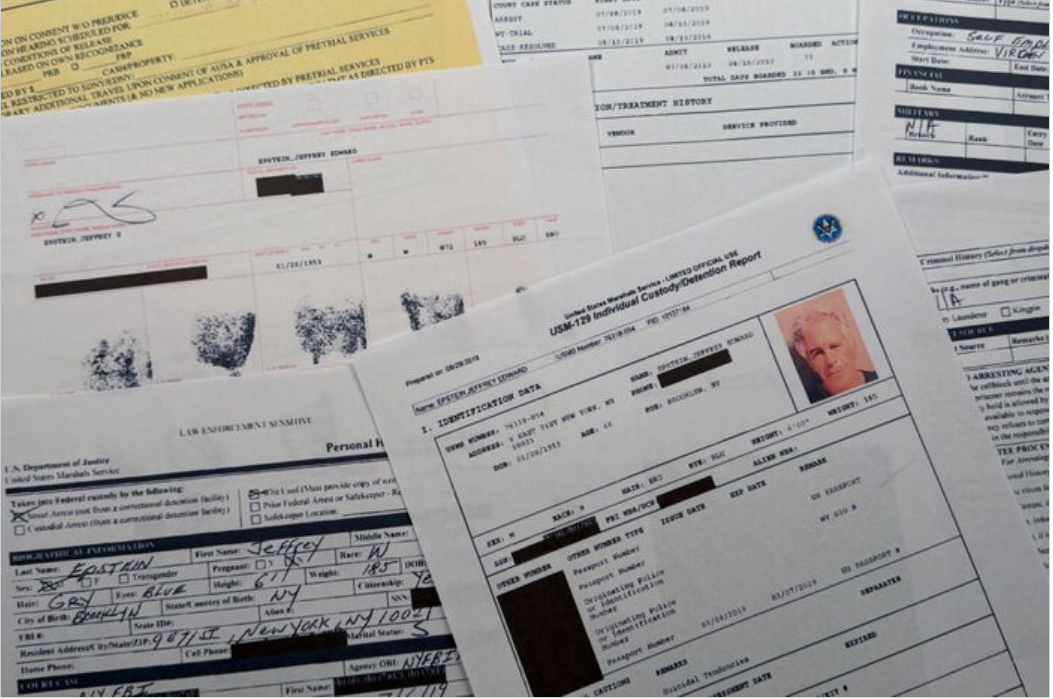
Jeffrey Epstein Scandals and the Kenya/Tanzania Connections
The files specifically mention Kenya, Tanzania, Somalia, and Senegal. Kenya and Somalia are flagged as areas where paedophile activities occurred, while Tanzania and Senegal appear to have been used as transit points for trafficking. Malindi, a coastal Kenyan town popular with international tourists, is highlighted as a destination linked to Epstein’s alleged network.
According to the documents, Epstein maintained extensive communications while in Kenya. Most of the exchanges seem casual, focusing on safaris, flights, celebrities, and vacations. Yet some messages raise serious questions. One note, framed as a joke, reads: “Can bring a little baby back for you… or two… boys or girls? So Madonna.
Will email when we get to Amsterdam.” Another line adds: “If the Masai warriors don’t eat us, the pirates from Somalia will. Coming to PB to see you in Jan. Taking photos. Will have a ball and think of you all the time.”
The mentions of Tanzania focus less on direct abuse and more on its use as a strategic point in Epstein’s network. Luxury destinations like Mnemba Island are referenced as locations frequented by individuals in Epstein’s inner circle. The files suggest these sites served as high-end stops in a broader human trafficking operation.
Alleged Links to Prominent Figures
The dossier hints at connections between Epstein and high-profile individuals, including former Kenyan President Uhuru Kenyatta. While the documents do not provide evidence of criminal involvement by public officials, the associations remain deeply troubling. Multiple journalists, politicians, and business leaders are named across the records, but no one has been charged.
Experts warn that even casual references to minors in travel logs and messages are enough to merit further scrutiny. The files show a sophisticated network involving international travel, private islands, and influential contacts.
Africa’s role, particularly that of Kenya and Tanzania, underscores the global reach of Epstein’s operations and the potential exploitation of vulnerable populations in the region.
What This Means for Kenya and Tanzania
Authorities in both countries have not yet publicly commented on the files. While mentions of Kenya and Tanzania do not automatically prove wrongdoing, they highlight areas requiring investigation.
Human rights organizations argue that the files show the need for vigilance, better child protection policies, and international cooperation to prevent exploitation. Legal experts say the U.S. Department of Justice documents provide a starting point for global inquiry.
They stress that East African countries named in the files must review local practices around tourism, hospitality, and child protection. Public awareness is also crucial, as communities in Malindi, Mnemba, and other hotspots could be vulnerable to exploitation if preventive measures are not strengthened.
The Epstein files show how far-reaching the late billionaire’s network was, touching countries on multiple continents. Kenya and Tanzania’s repeated mentions in the documents make them unavoidable points of concern.
Investigators worldwide will be watching to see whether these revelations prompt concrete actions to address potential trafficking routes, protect children, and ensure accountability for anyone involved.