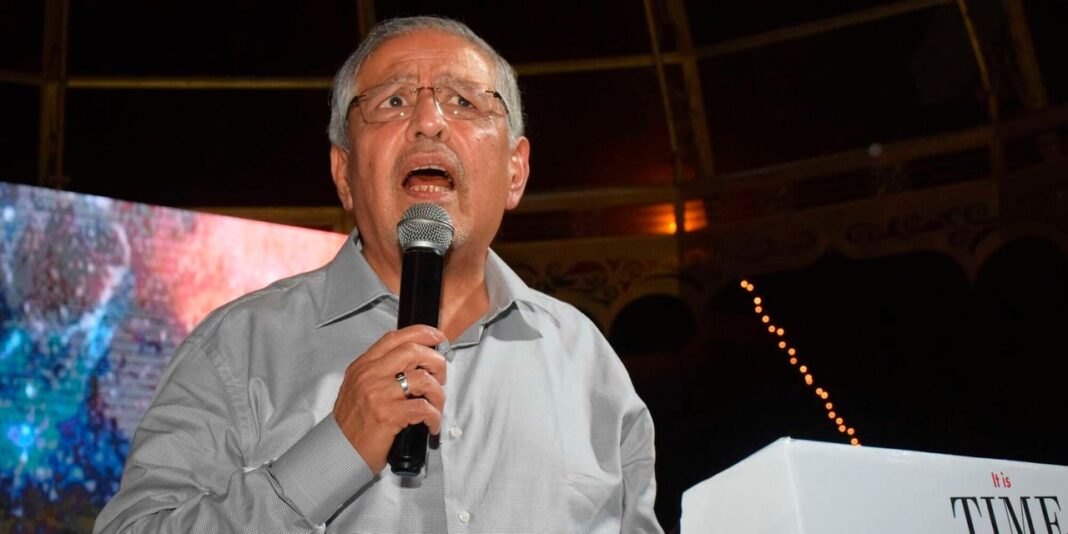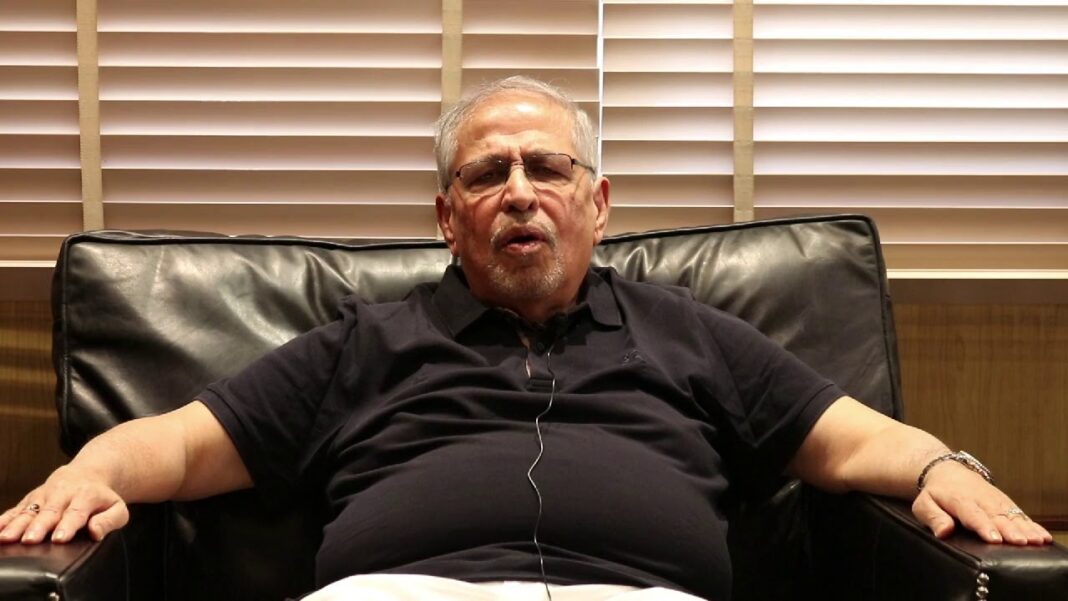
Kenya’s most explosive petroleum scandal in years has a powerful new name at its centre. Mombasa tycoon Mohamed Hussein Jaffer and his business network now face a sweeping criminal investigation over a massive fuel consignment that authorities believe was fraudulently smuggled into the Kenyan market outside official procurement channels.
The Jaffer fuel scandal has already drawn in more than twenty suspects, implicated multiple companies, and raised devastating questions about how billions of shillings worth of questionable fuel flooded Kenya’s supply chain while regulators looked the other way.
The Jaffer Fuel Scandal Reveals How a Sh4.5 Billion Consignment Bypassed Kenya’s Entire Regulatory System
Kenya operates a tightly controlled petroleum import framework precisely because fuel touches every corner of the economy. Transport costs, food prices, manufacturing expenses, and household budgets all move in lockstep with the stability of the petroleum supply chain. The government introduced the Government-to-Government import system to prevent manipulation, stabilize prices, and shut out private actors from gaming the market for profit.
Someone allegedly drove a ship right through that system.
At the heart of the Jaffer fuel scandal sits One Petroleum Limited, a company linked to Mohamed Hussein Jaffer and several associates, including his sons Mujtaba Mohamed Jaffer and Ali Abbas Jaffer. Investigators have identified the firm as a central player in a controversial fuel import arrangement that completely bypassed the approved state-managed procurement framework.
The vessel carrying the suspicious cargo, identified in investigative reports as MV Paloma, docked at the Port of Mombasa under circumstances that have alarmed detectives. The ship was originally destined for another market entirely. Authorities believe someone deliberately diverted it to Kenya, where the cargo was discharged and rapidly pushed into the local fuel supply chain before regulators could mount any meaningful response.
By the time investigators began examining the transaction, much of the fuel had already entered the Kenyan market and spread through the distribution network.
That speed is precisely what has shaken investigators.
If the allegations hold, a massive consignment of fuel entered Kenya outside every official channel, potentially exposing millions of consumers to unknown product quality while allowing private actors to profit from a supply system they allegedly manipulated.
The financial damage investigators now estimate could reach Sh4.5 billion, placing the Jaffer fuel scandal among the largest petroleum controversies in Kenya’s history.
How MV Paloma Delivered a Sh4.5 Billion Shock Straight Into Kenya’s Fuel Supply Chain
Investigators believe the diversion of MV Paloma was not accidental. The speed at which the consignment moved from docking to distribution suggests careful coordination across multiple points in the supply chain. Fuel imports normally pass through layers of regulatory scrutiny involving procurement verification, quality testing, and storage monitoring. Each stage exists specifically to prevent exactly the kind of bypass that investigators now suspect occurred.
Detectives are working to establish how the consignment received clearance to discharge, who authorized its entry, and which individuals within the distribution network facilitated its rapid spread across the country. The Directorate of Criminal Investigations is preparing to summon company directors and executives to record statements as the probe widens.
Sources close to the investigation say detectives are particularly focused on whether officials responsible for monitoring fuel imports were bypassed, misled, or directly compromised during the transaction. That question strikes at the heart of Kenya’s regulatory credibility.
One Petroleum Limited and the Broader Business Empire Now Under the Microscope
The Jaffer fuel scandal has not only exposed One Petroleum Limited but has also dragged Jaffer’s wider business empire into an uncomfortable spotlight. The company operates from offices in the Mbaraki area of Mombasa and has previously been linked to a controversial gas cylinder tender reportedly worth billions of shillings.
Investigators are now examining whether One Petroleum’s operations form part of a broader network of transactions designed to manipulate Kenya’s petroleum supply chain systematically rather than through isolated incidents.
Court filings from earlier disputes have linked Jaffer’s companies to investigations involving alleged tax irregularities and complex corporate structures spanning oil, grain, and liquefied petroleum gas. The Kenya Revenue Authority reportedly seized documents from associated companies while investigating alleged tax compliance issues. Those earlier disputes now form part of a larger financial map that investigators are carefully piecing together.
For a business empire built over decades, the Jaffer fuel scandal represents the most serious scrutiny it has ever faced.
Why the Jaffer Fuel Scandal Could Become Kenya’s Biggest Petroleum Prosecution Ever
Investigators suspect the Jaffer fuel scandal may connect to a wider pattern of supply manipulation that has rocked Kenya’s energy sector in recent months. Authorities are probing whether certain actors deliberately manipulated fuel supply data to manufacture the appearance of shortages, then exploited that artificial crisis to justify emergency procurement deals that pushed questionable consignments into the market at inflated prices.
If investigators confirm those links, the Jaffer fuel scandal transforms from a single suspicious shipment into evidence of a deeply embedded system of corruption controlling Kenya’s fuel trade from importation all the way down to the pump.
The coming weeks will be decisive as detectives analyze financial records, shipping documentation, and company ownership structures. The evidence trail is widening, the suspects are multiplying, and the pressure is intensifying.