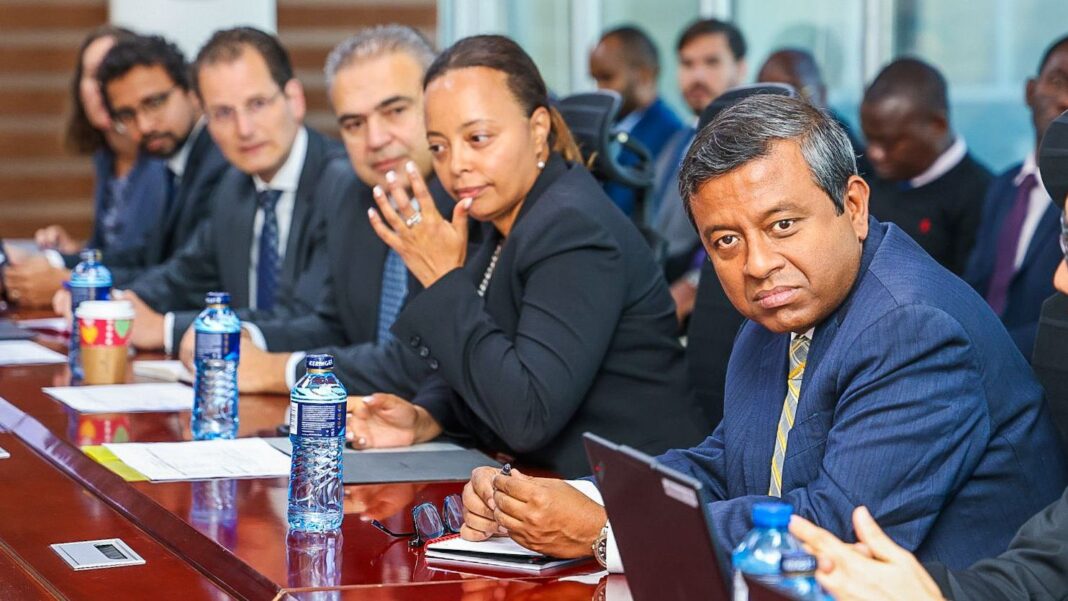
The International Monetary Fund (IMF) concluded its mission in Nairobi on March 4, engaging in high-level discussions on Kenya’s economic outlook, fiscal discipline, and the potential risks posed by global uncertainties. The talks coincided with the tabling of a Ksh287 billion supplementary budget in Parliament on March 3, designed to fund urgent government priorities while managing rising debt pressures.
The IMF mission, led by Ms. Haimanot Teferra, highlighted the importance of balancing immediate spending needs with long-term fiscal stability, especially amid global shocks and regional crises.
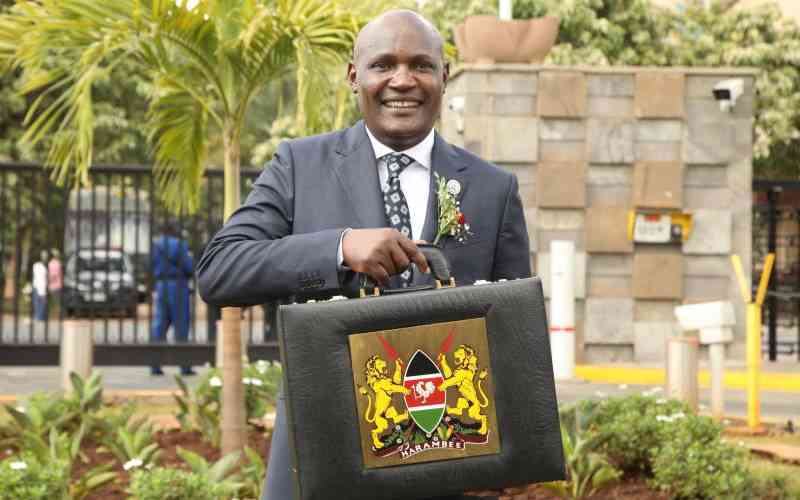
Ksh287 Billion Supplementary Budget to Address Urgent Priorities
Parliament is set to debate the supplementary budget, which accounts for 6.1 per cent of Kenya’s GDP. The additional funds are earmarked to support critical sectors including health, education, infrastructure, and social protection programs. This move underscores the government’s commitment to maintaining essential public services while responding to pressing national needs.
Kenya’s full 2026-27 budget, previously approved by Cabinet, totals Ksh4.7 trillion with projected revenue of Ksh3.53 trillion, leaving a deficit of 5.3 per cent of GDP before the supplementary allocations. The increase in spending demonstrates the government’s readiness to borrow both domestically and externally, prompting questions about debt sustainability and inflationary pressures. IMF Urges Stronger Fiscal Discipline Amid Global Uncertainties
During the mission, IMF staff stressed the need for fiscal credibility and policy reforms to strengthen Kenya’s economy against external shocks. The ongoing conflict in the Middle East was highlighted as a key risk that could disrupt trade, fuel inflation, and impact revenue collection.
“The IMF staff team engaged with the authorities on recent macroeconomic and policy developments and key risks, including potential spillovers from developments in the Middle East,” Ms. Teferra stated. The discussions emphasized developing robust policies to mitigate economic uncertainties while maintaining growth momentum.
Enhancing Governance and Public Sector Efficiency
A central focus of the IMF mission was improving governance and efficiency in the public sector. Officials met with Cabinet Secretary for National Treasury John Mbadi Ng’ongo and Central Bank Governor Kamau Thugge to align on strategies that enhance fiscal management and accountability.
Civil society groups, private sector representatives, and development partners also participated in consultations, providing diverse perspectives on Kenya’s socio-economic priorities. IMF officials noted that these consultations were critical for ensuring that fiscal reforms address both immediate and long-term challenges.
Preparing for IMF-World Bank Spring Meetings
The IMF indicated that further discussions will continue during the upcoming IMF-World Bank Group Spring Meetings, which Kenya will attend. These meetings aim to strengthen Kenya’s fiscal foundations, support economic resilience, and ensure sustainable debt management.
The supplementary budget, combined with IMF guidance, reflects Kenya’s strategy to balance urgent national spending with macroeconomic stability. Analysts note that maintaining fiscal discipline while investing in key sectors is essential for sustaining investor confidence and mitigating risks from external shocks.
The Nairobi mission underscores the importance of international engagement in shaping Kenya’s fiscal and economic policies. With a Ksh287 billion supplementary budget under consideration, the government faces a delicate balancing act: addressing pressing domestic needs while safeguarding long-term economic stability.
As global uncertainties, particularly from the Middle East, continue to pose risks, Kenya’s proactive approach in consulting the IMF and aligning with fiscal best practices positions the country to navigate potential challenges effectively.