
For years, Blue Pills in Kenya have quietly flooded kiosks, backstreet chemists and online platforms, sold casually to anyone with cash. A Citizen TV documentary has now torn open the system, exposing how a prescription-only drug linked to heart attacks and strokes was treated like a sweet.
The exposé forced the Ministry of Health to act. New regulatory measures announced this week promise stricter controls, tougher audits and public education, but they also raise hard questions about enforcement failures that allowed dangerous abuse to thrive.
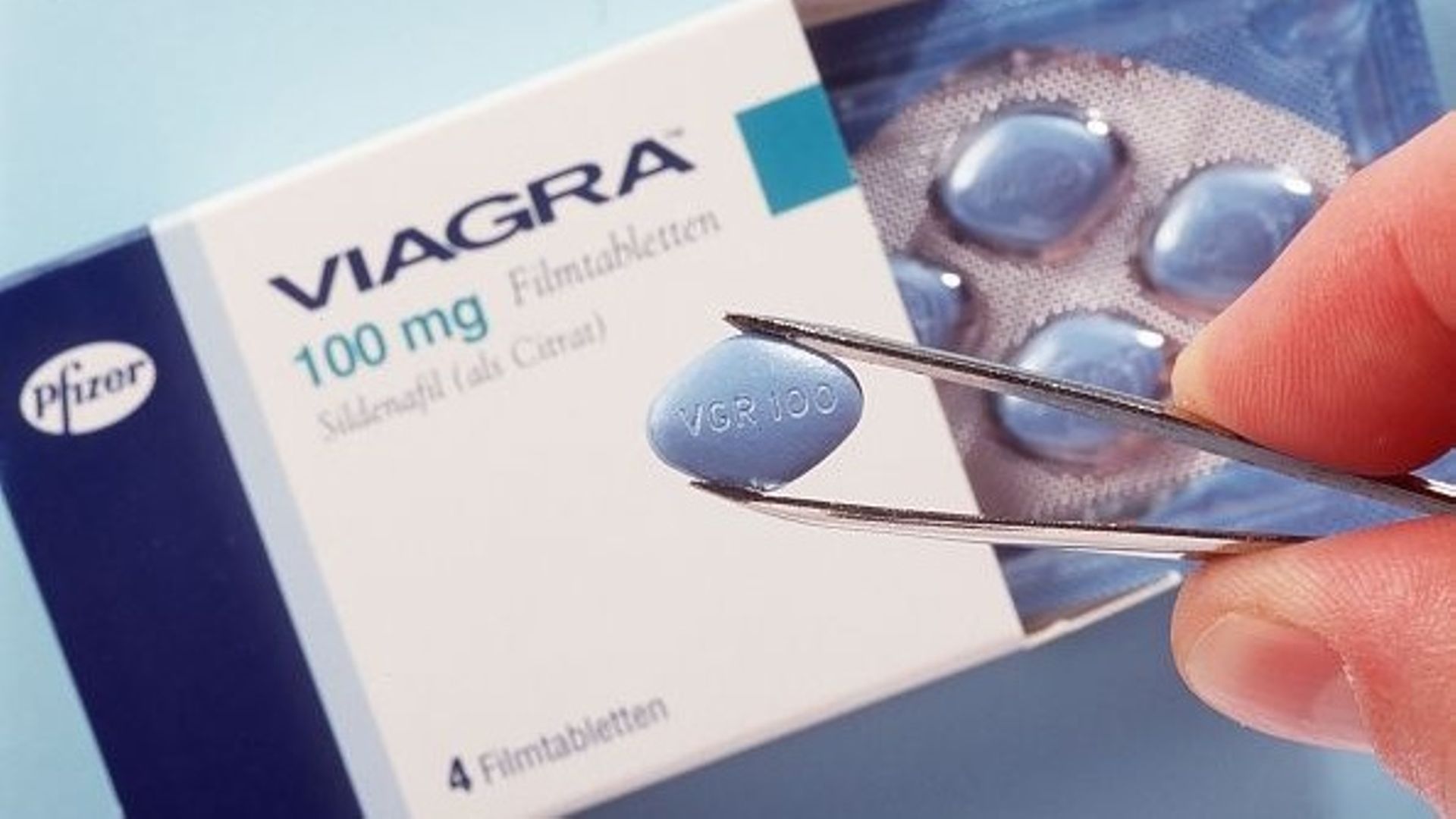
Sale of Blue Pills in Kenya Under Scrutiny After Media Exposé
The Ministry of Health has announced sweeping regulatory measures targeting the sale of Sildenafil, commonly known as the Blue Pill or Viagra, following the explosive Citizen TV documentary Blues and Death. In a statement released on Monday, December 22, Health Principal Secretary Mary Muthoni made it clear that Sildenafil is strictly a prescription-only medicine and must not be sold over the counter.
Sildenafil is primarily prescribed for erectile dysfunction in men and for pulmonary arterial hypertension, conditions that require medical assessment before treatment. Yet the documentary revealed that in many towns and estates, the drug was being sold freely without prescriptions, dosage guidance or warnings about side effects. According to PS Muthoni, this reckless access has exposed unsuspecting users to severe and sometimes fatal health risks.
“The drug increases the risk of life-threatening events such as heart attack and stroke,” Muthoni warned, particularly when taken without medical supervision or combined with nitrates and certain heart or blood pressure medicines. Her remarks underscore why Blue Pills in Kenya have become a public health concern rather than a private lifestyle choice.
Broken pharmacy oversight exposed
The Citizen TV investigation painted a grim picture of regulatory failure. Undercover journalists documented how rogue pharmacies and informal outlets sold Sildenafil on demand, often recommending higher doses for quicker results. Some sellers openly admitted they did not require prescriptions because enforcement was weak or nonexistent.
This breakdown points to deeper systemic problems. Kenya’s Pharmacy and Poisons Board regulations already classify Sildenafil as a controlled medicine. However, years of understaffing, limited inspections and corruption allegations have allowed illegal sales to flourish. The documentary showed that even licensed pharmacies ignored the law, exploiting demand and embarrassment around sexual health to turn quick profits.
The result has been widespread misuse of Blue Pills in Kenya, particularly among young men with no diagnosed medical condition. Doctors interviewed in the documentary linked the trend to rising cases of cardiac emergencies and unexplained deaths, especially when the drug is mixed with alcohol or other stimulants.

New monitoring system targets leakages
In response, the Ministry of Health has announced the rollout of a monitoring system requiring pharmacies to document and report all sales of prescription medicines. PS Muthoni explained that this system will improve traceability and help authorities identify leakages of controlled drugs into illegal markets.
Under the new measures, pharmacies will be expected to keep detailed records showing valid prescriptions for Sildenafil and similar medicines. This data will allow regulators to flag unusual sales patterns, such as high volumes without corresponding prescriptions, and take action against offenders.
Frequent audits and inspections will accompany the system. Inspectors will review prescription records to ensure compliance with dispensing laws. For Blue Pills in Kenya, this marks a shift from reactive enforcement to proactive surveillance, at least on paper. The success of this approach, however, will depend on whether audits are consistent and whether penalties are severe enough to deter violations.
Public education and accountability test
Beyond enforcement, the Ministry has also announced plans to run nationwide education campaigns. These will aim to inform the public about the health risks of using prescription-only medicines without medical approval and the legal consequences of illegal sales.
Health experts argue that stigma around sexual health has fueled misuse. Many men avoid hospitals and instead turn to discreet, illegal purchases. Without addressing this social reality, critics warn that crackdowns alone may push the trade further underground.
The Citizen TV exposé has placed Blue Pills in Kenya at the centre of a national conversation about patient safety, regulatory integrity and media accountability. While the Ministry’s response signals seriousness, Kenyans will judge success by results, fewer illegal sales, safer pharmacies and lives saved. Until then, the Blue Pill scandal stands as a reminder that weak oversight can turn medicine into a silent killer.