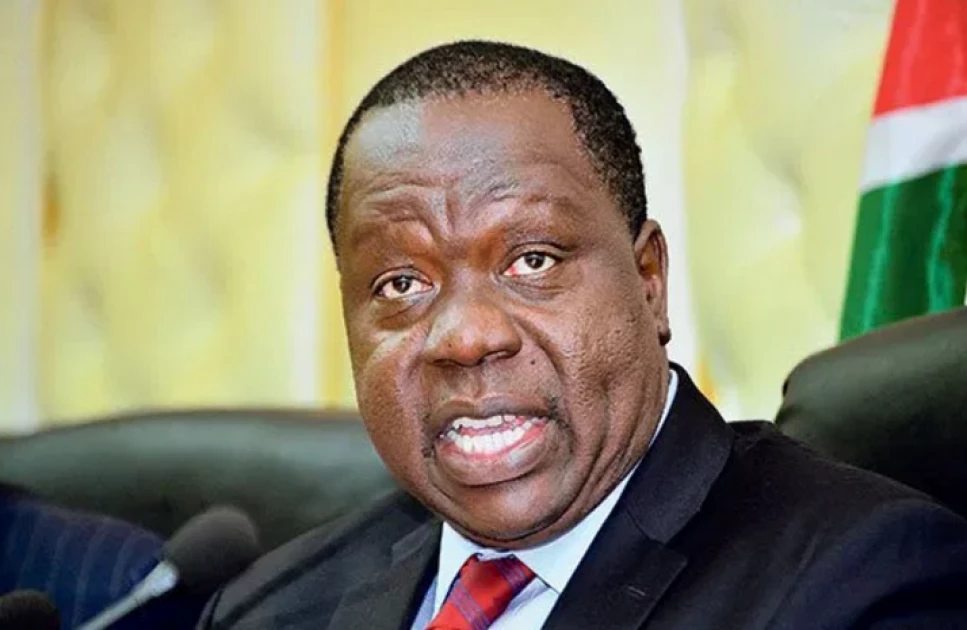
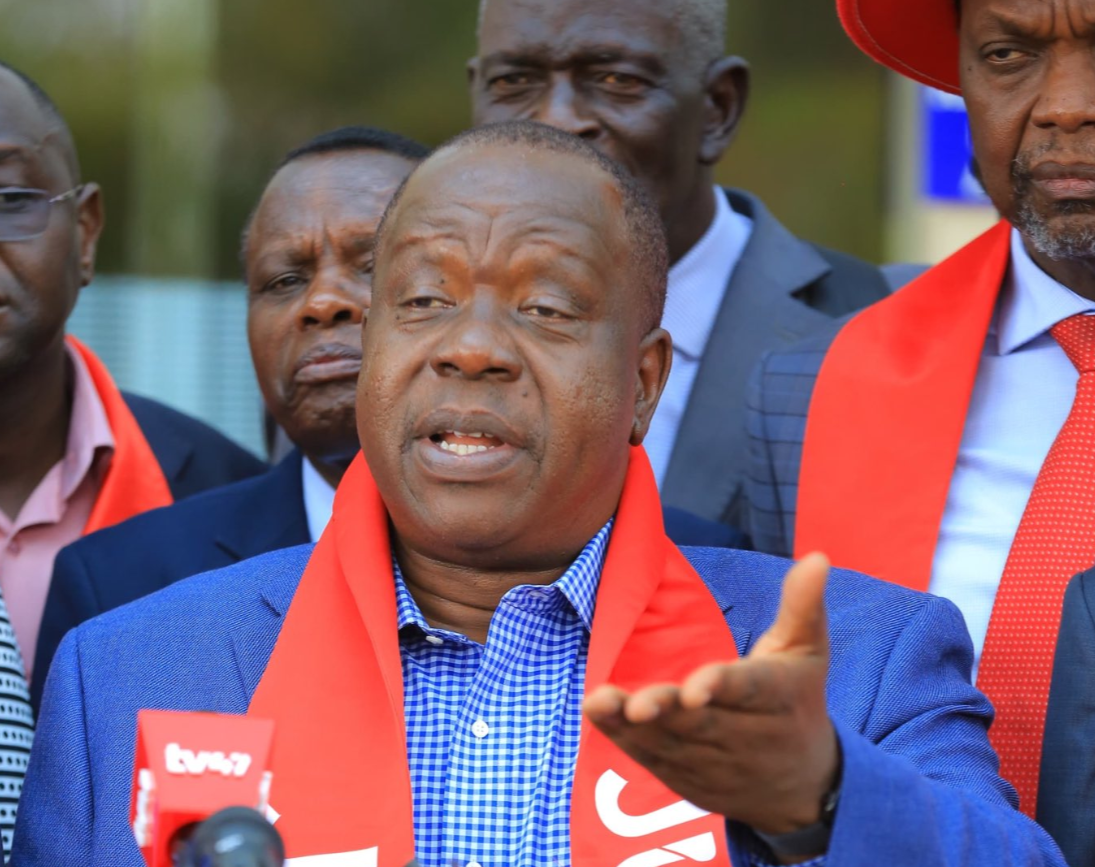
The battle over the Opposition 2027 Candidate Selection has intensified after Jubilee Party deputy leader Fred Matiang’i issued a firm call for public participation in choosing the coalition’s presidential flagbearer. Speaking in Nairobi on February 18 after receiving endorsement from PNU, Matiang’i warned that the opposition risks weakening itself if it relies on closed-door negotiations or elite consensus to settle on a candidate.
He argued that transparency and inclusion are not optional principles but strategic necessities if the coalition hopes to defeat President William Ruto in the 2027 General Election.
Matiang’i framed the issue as one of credibility rather than personal ambition. He stated that the process of alliance building carries as much weight as the outcome because the legitimacy of the eventual nominee will depend on how the decision is reached.
According to him, if multiple aspirants submit themselves to a competitive process and four eventually step aside, they must walk away convinced that the exercise was fair, transparent, and defensible before their supporters. Without that conviction, he suggested, resentment could fracture the coalition at a critical political moment.
Why Opposition 2027 Candidate Selection Has Become a Flashpoint
The disagreement over how to conduct the Opposition 2027 Candidate Selection reflects deeper tensions within the coalition. While the bloc has publicly committed to fielding a single candidate against Ruto, internal competition has grown more visible as principals intensify nationwide tours and mobilize their bases.
The coalition had initially signaled that it would unveil its presidential candidate in April 2026, but some leaders now advocate postponing the announcement until early 2027, closer to the election cycle. This shift in timelines has raised questions about whether consensus exists on the method of selection.
Insiders acknowledge that several models remain under consideration, including negotiated consensus among principals, structured internal party primaries, or a delegate-based voting system commonly referred to as NDV voting. Each option carries political consequences, and Matiang’i’s intervention has placed public participation at the center of the debate.
Matiang’i has consistently argued that the opposition cannot afford perceptions of exclusion. He believes that a purely negotiated settlement among coalition leaders could alienate grassroots supporters who expect a voice in determining who represents them on the national ballot.
In his view, presenting a pre-determined candidate without public input would undermine the coalition’s democratic credentials and provide ammunition to critics who accuse opposition leaders of prioritizing personal arrangements over institutional reform.
Matiang’i’s Concerns About NDV Voting and Elite Delegates
One of the alternative methods under discussion is NDV voting, a delegate-based system in which selected representatives from coalition parties would cast ballots to determine the flagbearer. Proponents argue that NDV voting offers structure, speed, and manageability, especially in a multi-party alliance where organizing a nationwide primary could prove logistically complex and financially demanding.
However, Matiang’i has signaled discomfort with such an approach. His concerns center on the risk that a limited pool of delegates could be influenced by internal power dynamics, patronage networks, or regional bargaining. While delegates are meant to represent party members, critics of the system often argue that it narrows participation and concentrates decision-making authority within a political elite.
For a coalition seeking to project unity and reformist credentials, any perception of manipulation could erode trust among ordinary supporters. Matiang’i’s position suggests that he favors broader participation mechanisms that extend beyond a small circle of party insiders.
He has emphasized that Kenyans should not merely observe the selection process but actively shape it. From his perspective, a publicly visible and transparent exercise would strengthen the coalition’s eventual nominee by providing an indisputable mandate rooted in popular engagement rather than elite endorsement.
Coalition Principals Weigh Strategy and Survival
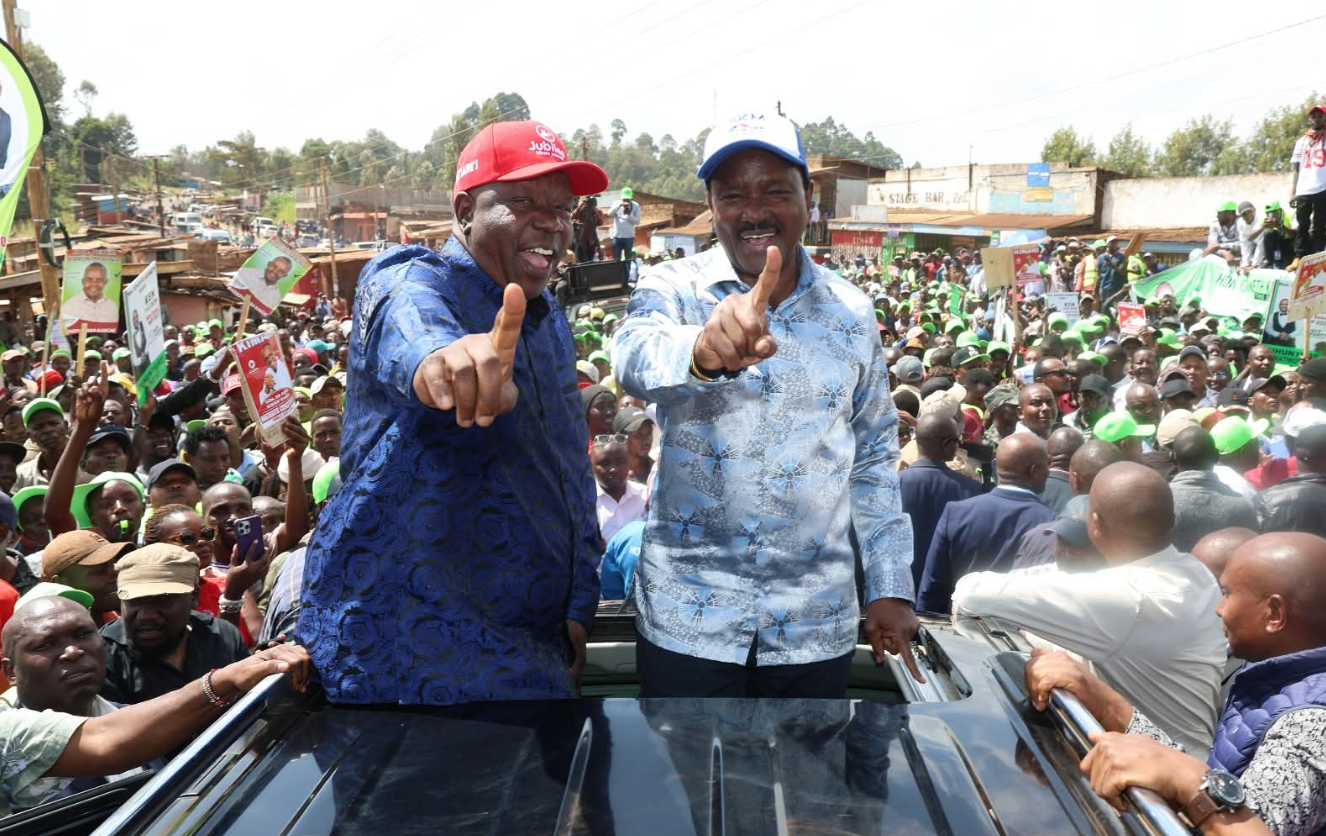
The stakes of the Opposition 2027 Candidate Selection extend beyond internal prestige. Leading figures within the coalition include Kalonzo Musyoka, former Deputy President Rigathi Gachagua, Martha Karua, Eugene Wamalwa, and Justin Muturi, alongside Matiang’i. Among these, Matiang’i and Kalonzo currently appear to command significant visibility as potential flagbearers, though shifting alliances could alter that calculus in the months ahead.
Each principal brings regional influence, political experience, and a loyal constituency. If the selection process appears skewed, even unintentionally, supporters of unsuccessful aspirants may feel marginalized. Political history in Kenya demonstrates that coalition fractures often stem from disputes over process rather than ideology. In this context, the method of choosing a candidate could determine whether the alliance consolidates or splinters.
Matiang’i has publicly dismissed speculation that internal differences will collapse the coalition. He has stated that those predicting division will be proven wrong and has reiterated his commitment to unity. Yet his insistence on inclusion indicates that he views procedural clarity as the foundation of that unity. Without clear, collectively agreed rules, the coalition risks entering the 2027 race weakened by unresolved grievances.
For President Ruto, the opposition’s internal deliberations present both opportunity and risk. A divided opposition would simplify his re-election strategy, but a transparently selected and broadly endorsed challenger could energize anti-incumbent sentiment. Consequently, the Opposition 2027 Candidate Selection is not merely an internal administrative matter; it is a defining strategic decision that will shape the competitive landscape of the next general election.
As the coalition continues consultations, the central question remains whether leaders will prioritize expediency or inclusivity. Matiang’i has positioned himself as an advocate for a participatory model that invites public scrutiny and engagement.
His argument rests on the belief that legitimacy cannot be negotiated behind closed doors but must be earned in open view. The coming months will reveal whether the opposition embraces that philosophy or opts for a more controlled approach in its quest to unseat the incumbent government.