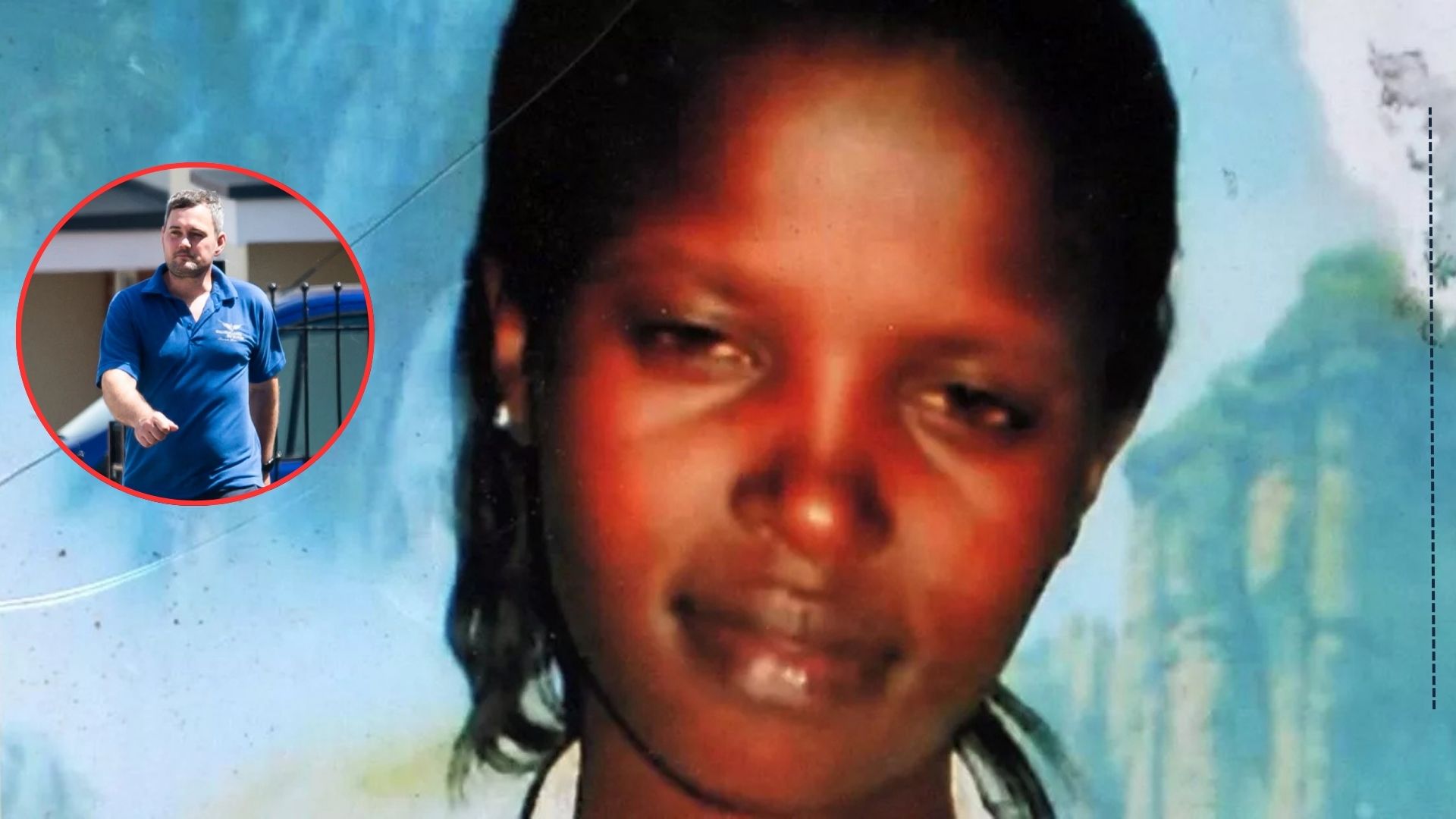
For more than a decade, the Agnes Wanjiru murder case has symbolised a painful failure in Kenya’s pursuit of justice. A young mother vanished in 2012. Her body later surfaced in a hotel septic tank in Nanyuki, only metres from where British soldiers had gathered for a night of drinking.
For years, allegations pointed toward one of those soldiers. But silence, secrecy, and stalled investigations kept the truth buried. Now, a new joint probe between Kenya and the United Kingdom aims to break the wall of impunity and expose the people who protected a killer for thirteen years.
Joint Kenya-UK Team Targets New Leads in Agnes Wanjiru Murder
Kenya and the United Kingdom have agreed to form a powerful joint investigation team to re-examine the Agnes Wanjiru murder case. The move follows a long Friday meeting between the Director of Criminal Investigations George Kinoti and British Defence Advisor Brigadier Ronnie Westerman.
Investigators compared notes for nearly two hours. They reviewed the original inquest findings. They studied statements from witnesses and mapped out a fresh strategy that places both governments under pressure to act.
A Kenyan homicide squad led by detective Martin Nyuguto will travel to the UK. They will work alongside the British National Crime Agency to interview suspects and witnesses. This includes soldiers who were in Nanyuki on the night Wanjiru was killed and senior officers accused of covering up the crime.
Officials say the team will not focus only on the soldier believed to have killed Wanjiru. They will also question high-ranking commanders who allegedly helped hide the truth. The joint probe aims to answer a question that Wanjiru’s family has asked for over ten years: why did both governments fail to arrest a known suspect?
The move comes weeks before the case returns to a Kenyan court on December 16, where the prosecution will brief the judge on the new developments and the status of the suspect, who is now confirmed to be in British custody.
Wanjiru’s Family Gains New Hope After Years of Silence
For years, Wanjiru’s family lived with grief and frustration. They buried their daughter while her killer walked free. Investigators ignored leads. Witnesses moved on. Key evidence sat in files without action.
But the tide began to turn when pressure mounted in both Kenya and the UK. The accused soldier returned to Kenya and posed for a photo outside Lion’s Court Hotel, the same location where Wanjiru was murdered. Other soldiers left comments mocking her death, triggering outrage and renewed scrutiny.
One of the soldiers who served that night later made a confession, revealing that many in the barracks knew what happened. That confession revived the case and forced authorities in both countries to reopen the file.
The family, once resigned to defeat, now sees the joint probe as the closest they have come to justice. They believe this cooperation can unmask the soldier who ended Wanjiru’s life and expose the officers who tried to bury the case.
Public Inquest Confirmed Soldier’s Role but Action Never Followed
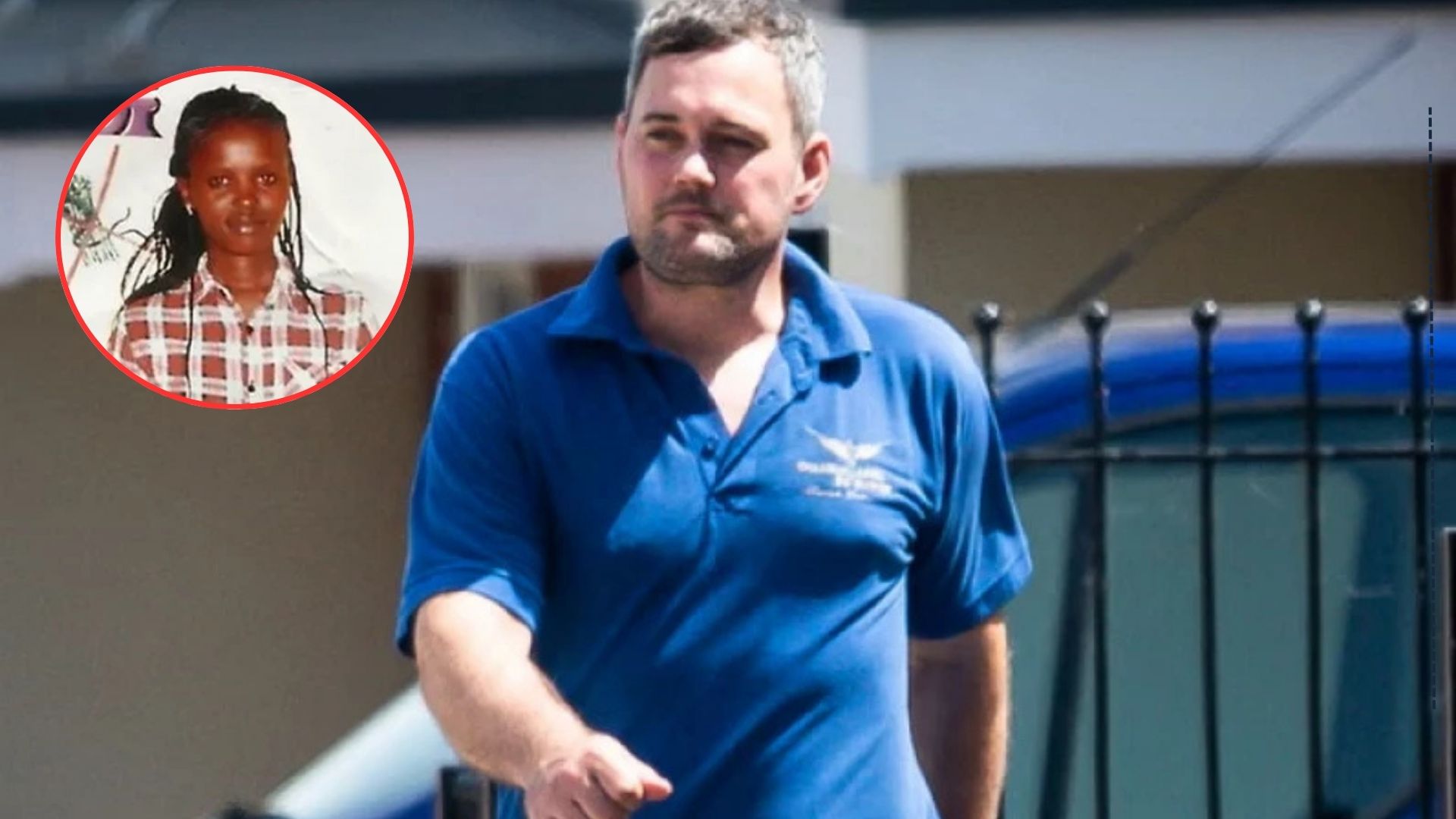
In 2019, Principal Magistrate Njeri Thuku delivered a damning inquest report. She concluded that Wanjiru was killed by a British soldier training in Kenya. Her body had been dumped in a septic tank behind Lion’s Court Hotel.
The findings mirrored testimonies from witnesses who saw Wanjiru leave the bar with the suspect. But despite a clear ruling, no arrest was made. No charges were filed. Kenya blamed the UK for failing to release the suspect.
The UK blamed Kenya for delays in prosecution. The result was a decade of diplomatic finger-pointing while Wanjiru’s family waited.
The new joint team aims to fix those failures by sharing evidence, synchronising interviews, and creating one coordinated path to prosecution. Both nations now face pressure to demonstrate that military alliances cannot override justice.
Fresh Investigations Challenge Culture of Military Cover-ups
The Agnes Wanjiru murder probe exposes a deeper problem: a long history of shielding foreign soldiers from accountability. Several witnesses told the inquest that officers warned them not to talk about the case. Some soldiers even joked about the murder in online forums.
This culture of silence is now under scrutiny. For the first time, both countries are acknowledging that a cover-up may have happened. Investigators want to know who instructed soldiers not to speak. They want to know why evidence disappeared. They want to know why a murder case remained stagnant for over a decade.