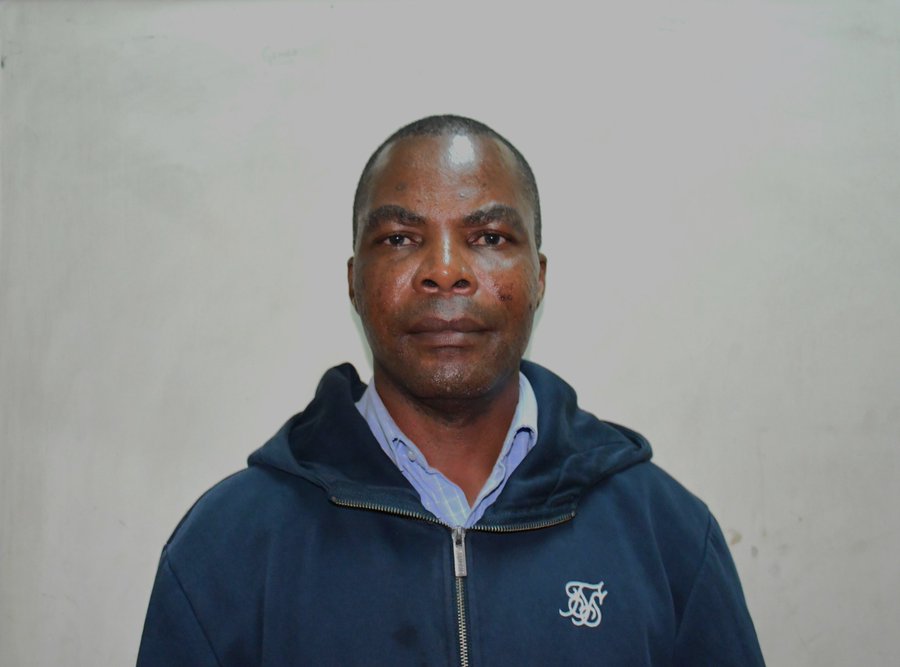
Kenya’s war on fraudulent academic credentials has entered another tense chapter, with EACC detectives now placing a former IEBC employee at the centre of a widening investigation.
The arrest of Lukaa Musamali Mukimi has renewed tough questions about integrity inside public institutions. His case paints a worrying picture of public officers using a fake degree to gain power, money, and influence.
It also highlights a growing trend that threatens merit-based service delivery and weakens public trust. EACC believes this is only one case in a larger network of forged qualifications.
Former IEBC Staff Under Fire Over Fake Degree Scandal
Detectives from the Ethics and Anti-Corruption Commission moved swiftly after receiving information that a former Independent Electoral and Boundaries Commission staff member had allegedly used a fake degree to push for promotion. What followed was a clear and detailed investigation that exposed the fragile state of academic integrity in Kenya’s public service.
Investigators established that Lukaa Musamali Mukimi presented a forged Bachelor of Arts in Social Studies and Public Administration certificate. The document, allegedly from Moi University, was used to seek advancement within IEBC. EACC found that the certificate was fake and that Mukimi knowingly used it to deceive his employer.
The Commission immediately compiled a file and forwarded it to the Director of Public Prosecutions. The DPP reviewed the evidence and agreed with EACC’s recommendation to press criminal charges.
Mukimi was arrested on November 19, 2025. He was arraigned a day later at the Milimani Anti-Corruption Court. He faced three major charges. The first was forgery under Sections 345 and 349 of the Penal Code. The second was uttering a false document under Section 353. The third was deceiving a principal under Section 41 of the Anti-Corruption and Economic Crimes Act.
He denied all charges and was released on a cash bail of Sh200,000 or a bond of Sh500,000 with one surety.
Rising Threat Linked to Fake Degree Fraud
Mukimi’s case reflects a larger problem. More public officers are being unmasked for using forged academic documents to secure employment, promotions, and public funds. EACC has been monitoring the trend and warns that the problem is spreading across counties and state agencies.
Just two weeks earlier, detectives arrested a Nairobi City Water and Sewerage Company ICT Assistant. The employee allegedly used a forged KCSE certificate to secure the job and then unlawfully received Sh6.2 million in salaries and benefits. That case is still in court, but it adds pressure on EACC to expand its investigations.
EACC says the motive behind these crimes is simple. Forged documents open the door to quick promotions and higher pay. But the long-term cost to the public is massive. Fake qualifications weaken service delivery, expose public institutions to incompetence, and violate the law.
Weak Vetting Systems Fuel Fake Degree Fraud
The arrest of Mukimi raises a tough question. How many public officers have slipped through vetting systems using a fake degree? Investigations show that some institutions rarely verify academic documents when hiring. Others rely on outdated verification procedures that are easy to manipulate.
EACC believes that part of the solution lies in tightening credential verification processes. Universities also face pressure to secure their records, strengthen digital systems, and cooperate fully with investigators. The Commission has been pushing for regular audits of staff qualifications within all public agencies.
Weak vetting systems have allowed unqualified individuals to run sensitive departments, handle public funds, and make decisions that affect millions of Kenyans. The IEBC case is especially sensitive because the institution handles national elections. Any officer found using fake papers poses a direct risk to the credibility of the electoral process.
Public Service Integrity Under Renewed Scrutiny
EACC insists that Mukimi’s arrest is a warning to all public officers thinking of using a fake degree. The Commission says it will continue hunting down individuals who join public service through fraud. It also wants government agencies to prioritise integrity checks and report suspicious credentials immediately.
The Milimani court will mention the case on December 4, 2025 before Hon. Okore. Until then, EACC will continue tracking similar cases and pushing for tighter controls. The Commission says its crackdown is not personal but necessary to protect the public service from widespread fraud.
Mukimi’s case marks another moment when EACC has put public officers on notice. Fake documents will no longer go unchallenged. Kenya’s future depends on honest service, professional competence, and strong accountability systems.