The East African Community has stepped into the growing diplomatic storm surrounding Somaliland, reaffirming its unwavering support for the Federal Republic of Somalia after Israel’s controversial recognition of Somaliland as an independent state.
In a decisive statement released on Sunday, December 28, the EAC underscored that it recognises Somalia as a single sovereign nation with borders inherited at independence.
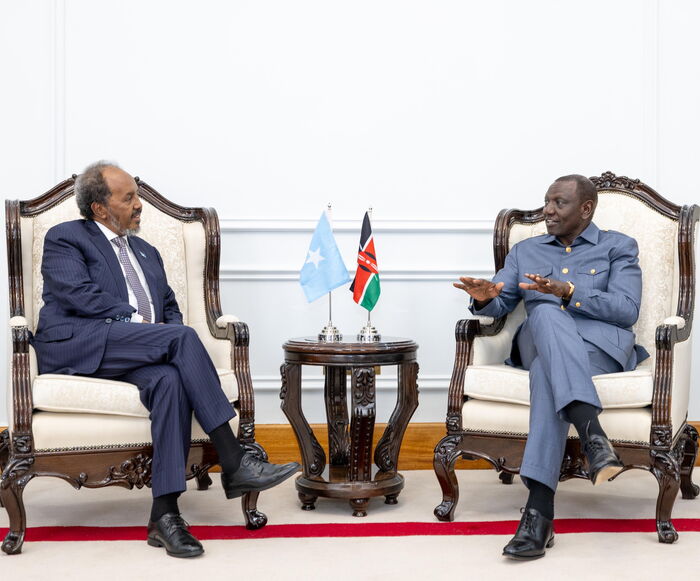
The declaration comes amid rising tensions in the region and shortly after phone talks between Somali President Hassan Sheikh Mohamud and East African leaders, including Kenya’s William Ruto.
EAC Position on Somaliland Recognition
The East African Community, composed of Kenya, Uganda, Tanzania, Rwanda, DR Congo, South Sudan, and Somalia, has firmly rejected Israel’s recognition of Somaliland. The community aligned itself with the African Union’s position, reiterating that the sovereignty and territorial integrity of Somalia must be upheld in accordance with both regional and international legal frameworks.
“In accordance with the treaty for the establishment of EAC, the community recognises the Federal Republic of Somalia with its borders inherited at independence,” the statement read. The EAC further called on Israel to respect Somalia’s territorial unity and urged all stakeholders to act within established protocols governing international law.
Tensions Rise After Israel’s Recognition
Israel’s declaration, announced by Prime Minister Benjamin Netanyahu on December 26, promised diplomatic relations with Somaliland along with economic, agricultural, and technological cooperation.
The recognition has triggered celebrations in Hargeisa, Somaliland’s self-declared capital, as citizens hailed the move as a step toward freedom from Somalia’s war-torn governance. However, the African Union and EAC have dismissed the move, citing the serious security risks posed by interference in Somalia’s territorial integrity.
Regional Leaders Unite With Mogadishu
Hours before the EAC’s statement, President Hassan Sheikh Mohamud held a critical phone call with East African heads of state, including Presidents William Ruto, Samia Suluhu of Tanzania, and Yoweri Museveni of Uganda.
During the conversation, leaders assured Somalia of their support and discussed bilateral, regional, and global matters of mutual concern. Though individual EAC leaders have not issued separate statements, the community’s unified declaration clearly signals regional backing for Mogadishu’s sovereignty and security initiatives.
Implications for Somaliland Recognition in Africa
The EAC’s stance sends a strong message that unilateral recognition of Somaliland is unacceptable to the continent. African Union officials have warned that such acts undermine the sovereignty of member states and could trigger destabilising security threats across the region.
The rejection from both the EAC and AU demonstrates the continent’s commitment to maintaining established borders and preventing foreign interference from exacerbating existing conflicts. The move also isolates Israel diplomatically in its attempt to forge ties with Somaliland without regional consent.
The situation remains tense as Somaliland’s celebrations contrast sharply with the EAC’s and African Union’s condemnation, highlighting the diplomatic rift between regional institutions and external actors. Analysts suggest that the coming months could see intensified negotiations, border security reinforcement in Somalia, and increased diplomatic pressure on Israel to reconsider its unilateral action.
The EAC’s statement marks a critical moment in East African diplomacy, reinforcing the principle that regional stability hinges on respecting the sovereignty of member states. While Somaliland celebrates newfound international recognition, the collective voice of the East African Community and the African Union remains firmly with Somalia, sending a clear signal that unilateral recognition cannot override established continental legal frameworks.