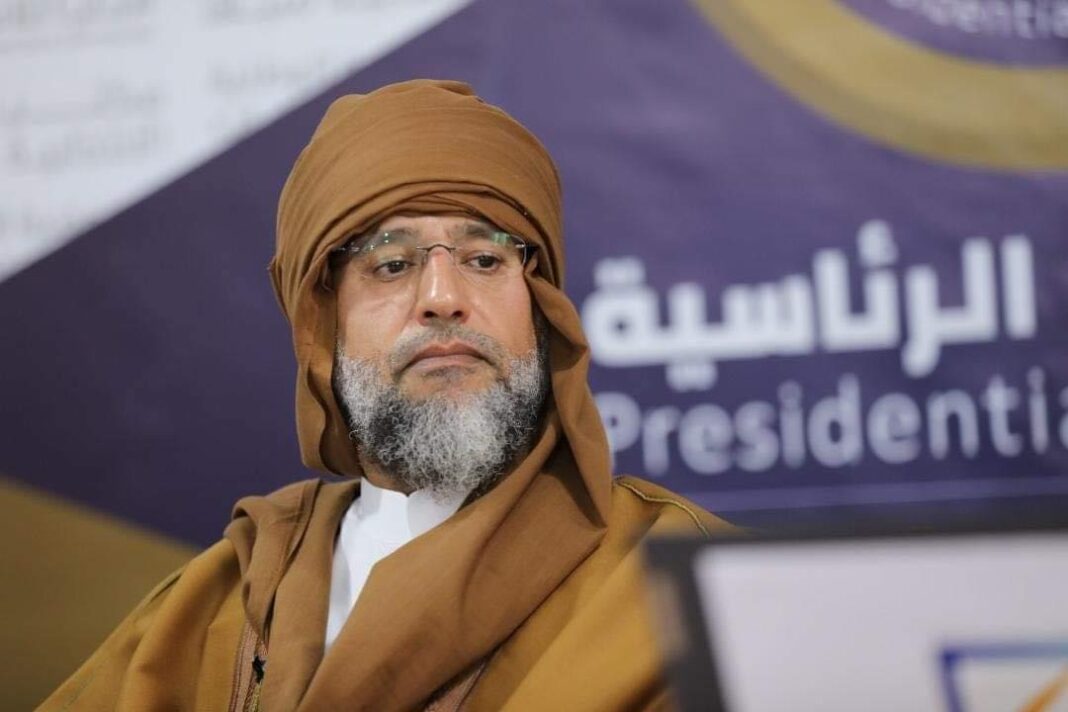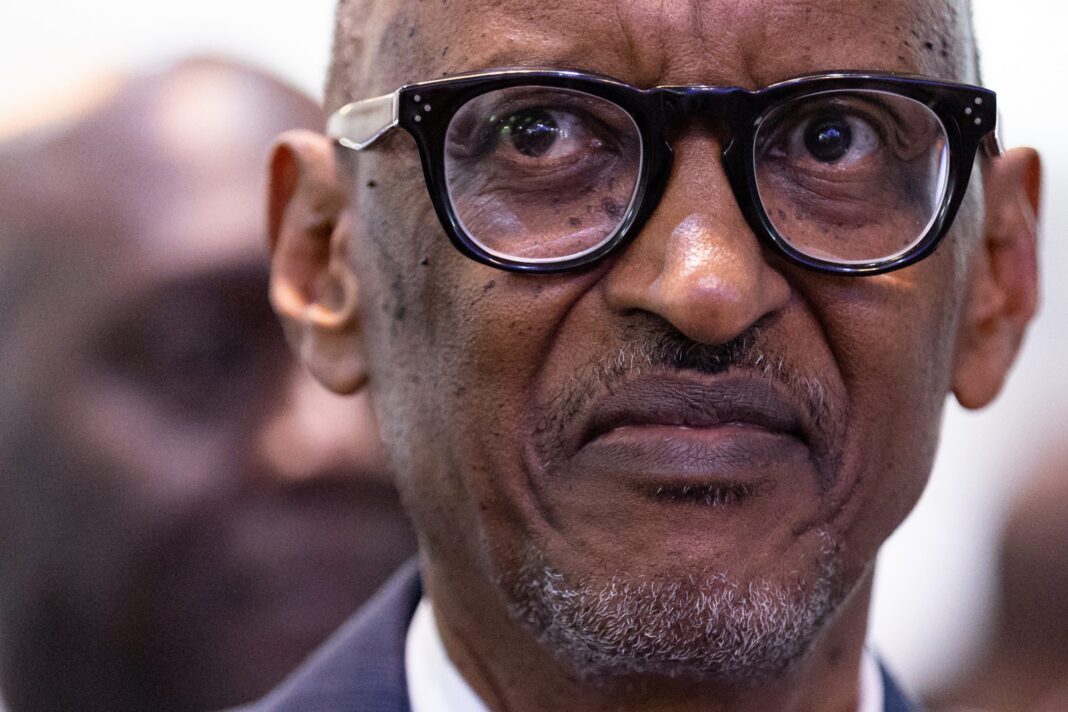
Rwanda’s President Paul Kagame fired back at U.S. Congressman Chris Smith after calls for sanctions over the ongoing unrest in eastern Democratic Republic of Congo (DRC). Smith accused Kagame of backing the M23 rebels and undermining the Washington Peace Agreement signed in 2025.
Kagame, speaking at Rwanda’s National Dialogue, dismissed the threats and accused the international community of double standards, arguing that their actions have worsened, not resolved, the DRC conflict. The clash signals rising tensions between Kigali and Washington amid continued violence in eastern Congo.
Kagame Defends Rwanda Amid Sanctions Threats
On February 5, Congressman Chris Smith publicly accused Rwanda and President Kagame of actively sabotaging peace in eastern DRC. Smith claimed that Kigali supports the M23 rebel group, which continues to carry out attacks and exploit mineral resources despite the 2025 Washington Peace Agreement.
“We are pressing for real sanctions on Rwandan leaders and maybe Kagame himself. They want the peace treaty to work, but it cannot work when you have M23 not only killing but also fleecing minerals and violating the agreement,” Smith said.
Kagame responded swiftly, dismissing the allegations and accusing the international community of creating problems rather than solving them. Speaking at the Kigali Convention Centre during the 2026 National Dialogue, Kagame said:
“These people in the international community, I think, took things literally. They are helpful. They have been supportive in creating problems for us.”
He added: “The number of threats we face daily. You cannot create problems for me, at the same time come and blame me for those problems, and then start threatening me. How?”
Kagame also argued that the international approach encourages hardline behavior among DRC leaders instead of promoting dialogue. “These Congolese are very lucky. This man stands there and abuses and threatens people. In the end, the international community comes to me and tells me you have to do this,” he said, highlighting what he called a cycle of misdirected blame.
The Washington Peace Agreement and Its Failures
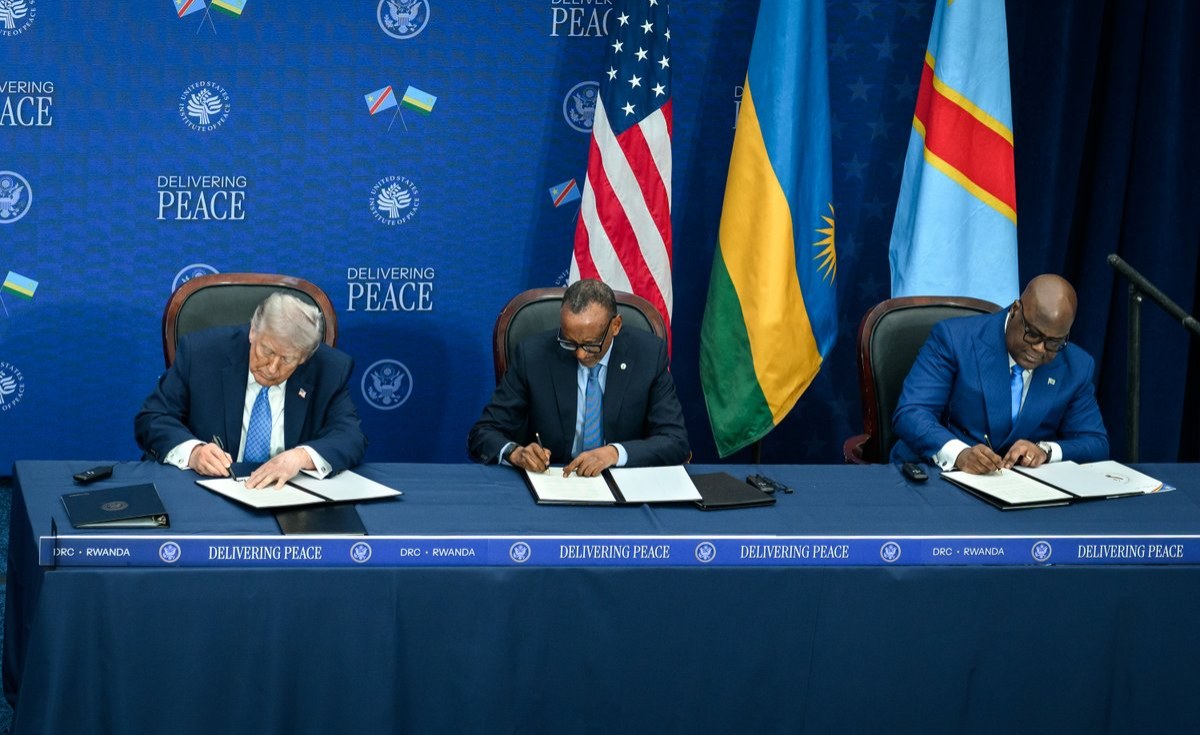
The Washington Peace Agreement, signed in December 2025 under the auspices of former U.S. President Donald Trump, aimed to end the war in eastern DRC. It required an immediate ceasefire and the withdrawal of Rwandan troops from conflict zones.
Despite the agreement, fighting has continued, largely around areas controlled by the M23 rebels. The DRC claims these groups operate with Kigali’s backing, a charge Kagame denies. Reports indicate that the ceasefire has failed to hold, prompting Smith’s call for sanctions.
Before Washington, regional and continental leaders tried to mediate the conflict through a series of meetings, but those efforts yielded little progress. Kagame’s remarks suggest he sees the continued blame from the international community as unfair and counterproductive.
East African Efforts to Mediate the DRC Conflict
Regional leaders have not given up on seeking a solution. On February 3, former Kenyan President Uhuru Kenyatta, acting as the East African Community (EAC) facilitator for the DRC peace process, met with Ugandan President Yoweri Museveni. The leaders discussed strategies to halt the escalating violence ahead of an African Union summit planned later this month.
The EAC process highlights a persistent regional commitment to ending the DRC conflict despite setbacks at the international level. Kagame’s response, however, underscores the growing rift between Kigali and Western powers. The standoff may complicate broader efforts to enforce peace and accountability in eastern DRC.
Kagame’s rhetoric suggests Rwanda will resist external pressure and defend its national interests, even as Washington considers punitive measures. Analysts say this standoff could prolong instability in the region, leaving civilians caught in continued violence and uncertainty.