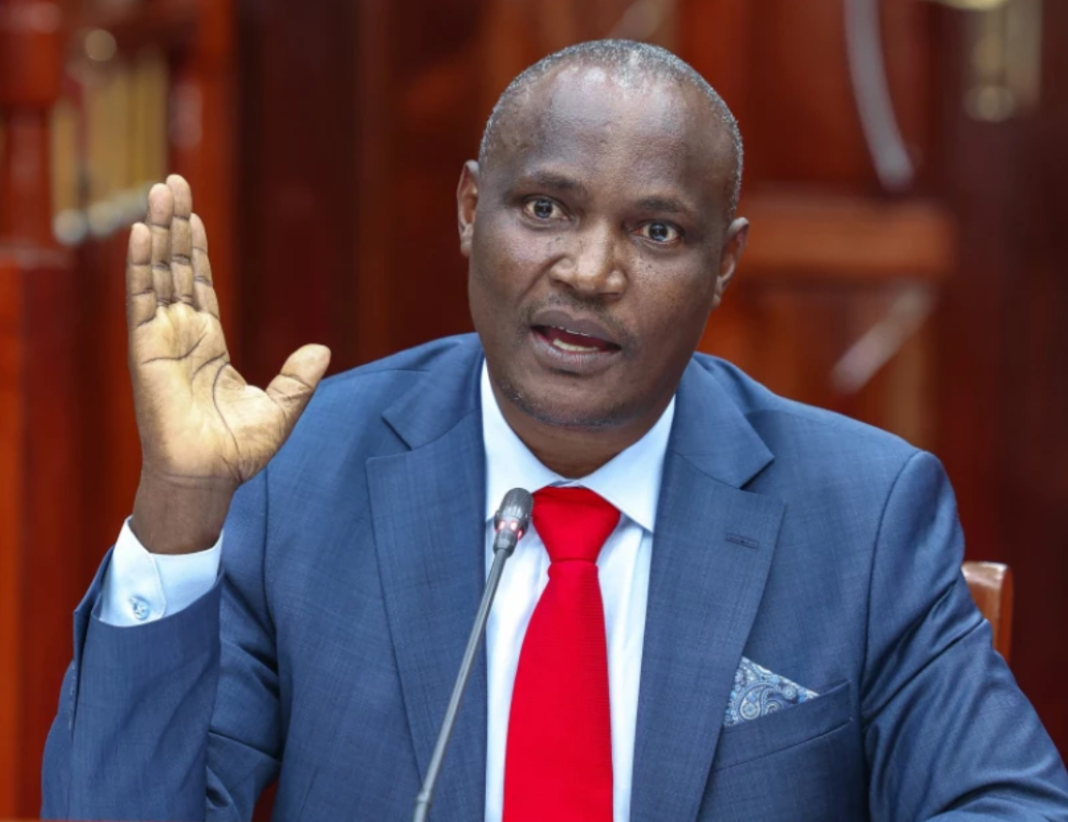
The government plans to slash taxes for Kenyans earning below Ksh30,000 in a move that could ease pressure on millions of low-income households. Treasury Cabinet Secretary John Mbadi says the proposal targets workers who struggle to meet daily needs after heavy deductions.
He argues that overtaxing this group weakens demand and slows the economy. After talks with President William Ruto, Mbadi secured approval to move forward. The plan aims to put more cash in people’s pockets, boost spending, and protect livelihoods at the grassroots level.
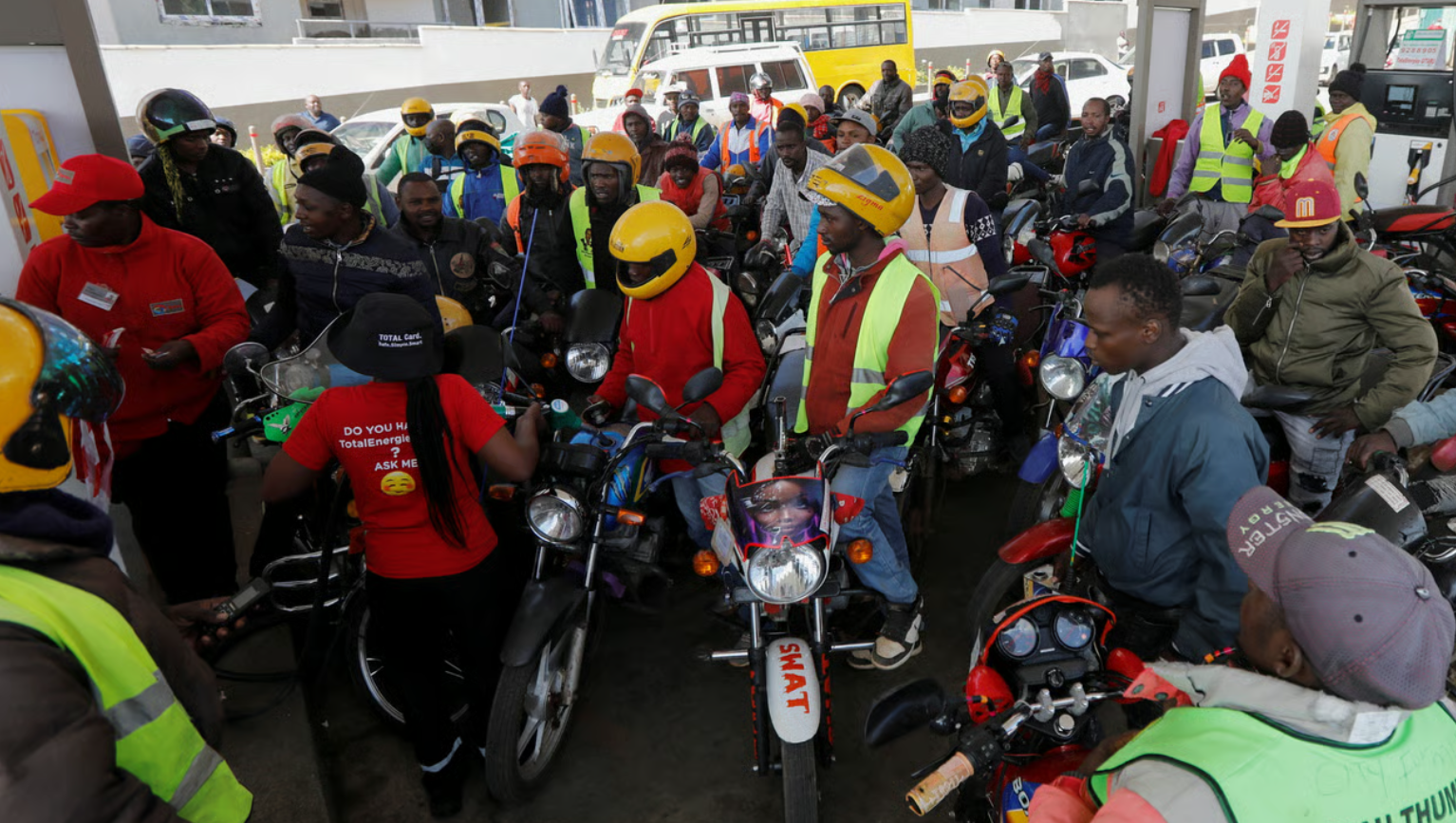
Why the Plan to Slash Taxes for Kenyans’ Children Matters to the Economy
CS Mbadi revealed the plan while speaking at Kiambu National Polytechnic on Sunday, February 1. He said the government has already agreed at the highest level to reduce taxes for workers earning less than Ksh30,000. He stressed that this income group forms the backbone of the economy.
Mbadi said the state has pushed this group too hard through taxes and statutory deductions. He noted that PAYE, NSSF, NHIF or SHA, and the housing levy leave workers with little to survive on. Many people fail to cover food, rent, transport, and school fees after deductions.
He argued that the economy relies on spending at the grassroots. When workers have no disposable income, businesses suffer. Demand drops. Jobs disappear. Growth slows. He said the plan to slash taxes for Kenyans’ children will help families spend more on essentials and education, which supports long-term economic stability.
Mbadi said the government wants to “give people something in their pocket.” He explained that increased household spending will stimulate demand and help revive a struggling economy. He added that the president understands this reality and supports the proposal.
How Tax Cuts Will Affect Low-Income Earners
Low-income workers face multiple deductions every month. PAYE reduces take-home pay. NSSF contributions target retirement but reduce current cash flow. NHIF or SHA deductions cover health but still strain salaries. The housing levy adds another burden.
Mbadi said these deductions cripple workers who already earn little. He questioned how the government expects someone earning Ksh30,000 to pay rent, transport, food, and family expenses while meeting tax demands. He said many workers end up with nothing.
The plan to slash taxes for Kenyans’ children seeks to reverse this pressure. By lowering the tax burden, families can better meet daily needs. Parents can spend more on school fees, food, and healthcare. This relief can also reduce debt and reliance on loans.
Mbadi believes tax cuts will restore dignity to work. He says people should feel the value of employment. When work pays, morale improves. Productivity rises. Businesses also benefit from increased consumer spending.
KRA Pressure and the Wider Tax Debate
The announcement comes as the Kenya Revenue Authority intensifies tax compliance efforts. KRA has urged Kenyans to file returns before the June 30 deadline. Deputy Commissioner Patience Njau recently announced a temporary suspension of nil returns filing until the end of March.
Njau said the move aims to convert nil filers and non-filers into active taxpayers. During the suspension, KRA is auditing income tax, withholding tax, eTIMS, and customs records. The authority wants to capture individuals missing from the tax net.
KRA data shows a worrying gap. Out of 22 million registered KRA PIN holders, only 8 million pay taxes. Only 4 million pay consistently. This reality explains the authority’s tough stance.
However, Mbadi’s proposal introduces a balance. He suggests that fairness matters as much as compliance. He believes the state should not squeeze those who earn the least. Instead, the plan to slash taxes for Kenyans’ children focuses on easing the burden on low earners while improving overall economic activity.
The debate now shifts to implementation. Kenyans will watch how the Treasury adjusts PAYE bands or deductions. Workers hope the relief will reflect quickly in their payslips. Businesses expect higher spending. Families expect breathing space.
If the government delivers, the move could mark a shift in tax policy. It could signal a focus on growth through consumer power rather than pressure. For millions earning below Ksh30,000, the promise to slash taxes offers hope for a fairer system and a stronger economy.