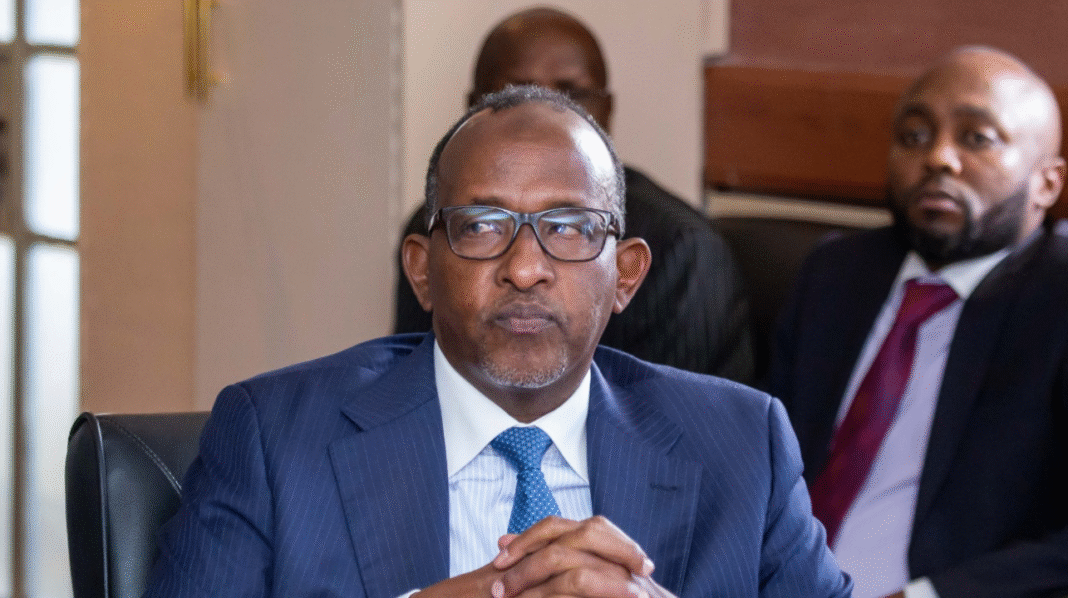
Health Cabinet Secretary Aden Duale has revealed alarming gaps in Kenya’s Social Health Authority that have allowed Ksh11 billion in funds to go missing. The thefts, uncovered in just six months, expose systemic fraud in hospitals, manipulating claims and medical records.
Duale warned parliamentary committees that some facilities reported impossible medical scenarios, including 100% caesarean deliveries, while others submitted claims for ghost patients. The revelations have triggered audits, ultimatums, and investigations by the Directorate of Criminal Investigations.
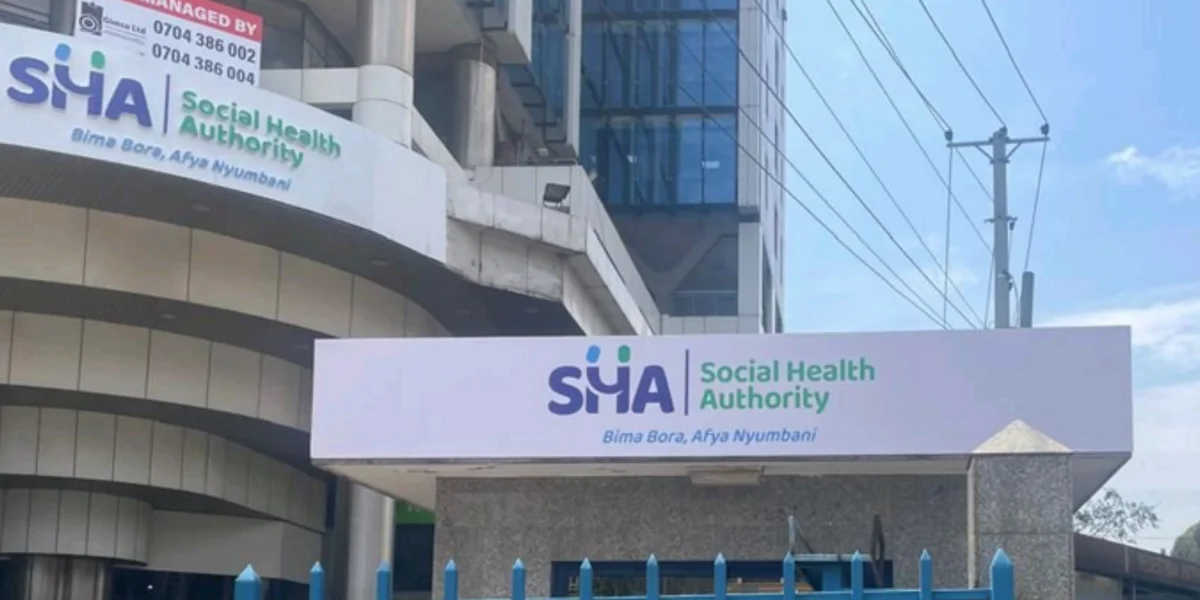
Systemic Gaps in SHA Open Door for Ksh11 Billion Theft
Health CS Aden Duale testified before parliament on January 28, detailing how SHA’s AI-driven fraud detection system flagged widespread irregularities. According to Duale, hospitals that had previously defrauded the National Hospital Insurance Fund exploited loopholes in SHA.
The AI system automatically rejected claims that did not meet medical plausibility standards. For example, several private hospitals reported that all mothers delivering at their facilities underwent caesarean sections—a direct violation of WHO’s recommended 10-15 per cent rate.
In Tharakanithi County, one private hospital claimed that all 500 deliveries were caesarean, a figure immediately flagged by the system. Duale said, “There are facilities in our country that have reported 100% of the mothers who came to deliver have gone through C-section.”
The misuse of SHA is not limited to maternity care. Dialysis claims, capitation payments, and routine checkups were all inflated. The AI system detected patients receiving up to 10 dialysis sessions when only two were medically justified.
Ghost Patients and Inflated Claims
Investigations revealed some healthcare workers registered themselves or others as fake patients to generate fraudulent claims. In one extreme case, a single patient in Kwale County registered 381 dependent children under their SHA account. These anomalies are now under investigation by the Directorate of Criminal Investigations (DCI).
The system also uncovered ghost patients visiting primary healthcare facilities multiple times a day, a coordinated effort to claim government capitation payments fraudulently. Claim forms were often filled by one person, using a single pen and handwriting, bypassing the legal requirement for signatures from patients, doctors, and hospital administrators.
Duale explained, “As to where we find, SHA finds, that claim forms are filled by one person, one handwriting, one pen, that is a rejection.” Additionally, facilities submitted maternity claims without birth notification documents, automatically rejecting billions of shillings in claims.
Ownership Gaps in SHA and the Government’s Risk
Auditor General Nancy Gathungu revealed that a private consortium, allegedly linked to an Indian firm, controls SHA. The consortium collects Ksh11 billion annually from member contributions and hospital claims, yet the Kenyan government does not fully own the Ksh104 billion system.
The Ministry of Health has already paid over Ksh11.4 billion to hospitals since SHA’s rollout. Meanwhile, private facilities under the Rural and Urban Private Hospitals Association (RUPHA) claim they are owed Ksh76 billion by SHA, highlighting the tension between public accountability and private sector expectations.
SHA has issued a 15-day ultimatum to hospitals to account for Ksh3 billion in flagged claims. Hospitals failing to comply risk automatic rejection of funds and potential legal action.
Duale emphasized the fraud detection system’s real-time capabilities, saying it flags impossible anomalies immediately, preventing further losses. From inflated maternity claims to ghost dialysis sessions, the AI engine has already stopped billions in fraudulent payments.
Conclusion
The Ksh11 billion SHA thefts reveal a deeply rooted vulnerability in Kenya’s health financing system. Duale’s testimony shows that even advanced AI systems face challenges when private entities control critical infrastructure.
With parliamentary oversight, audits, and DCI investigations underway, the fight to recover stolen funds and prevent future fraud is only beginning. Kenya’s healthcare sector now faces a reckoning: strengthen governance or risk continued exploitation of public resources.