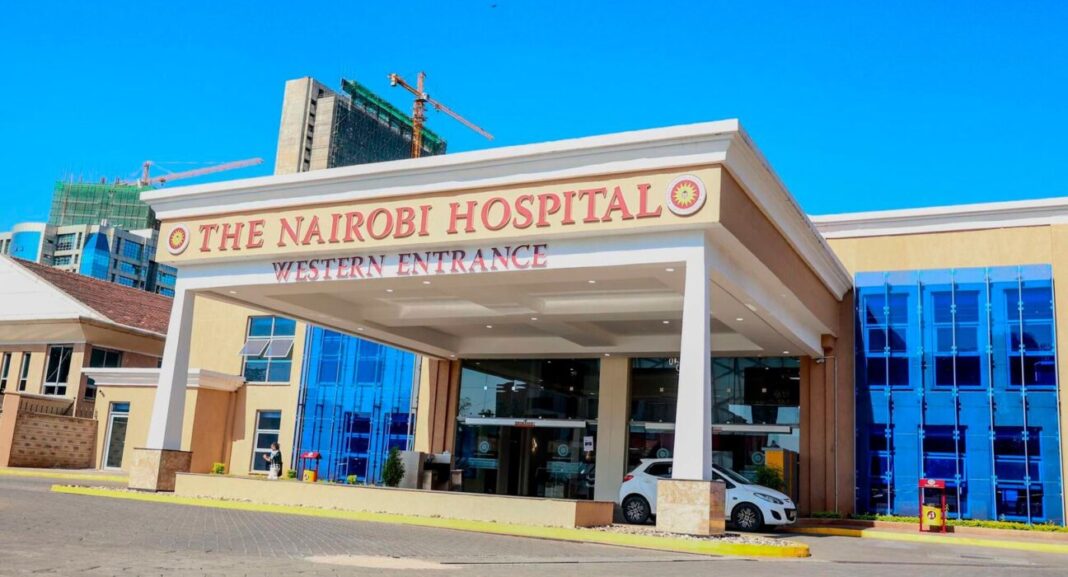
A court order has thrown Nairobi Hospital into fresh turmoil. Just hours before its planned annual general meeting, a High Court judge slammed the brakes on the Nairobi Hospital AGM.
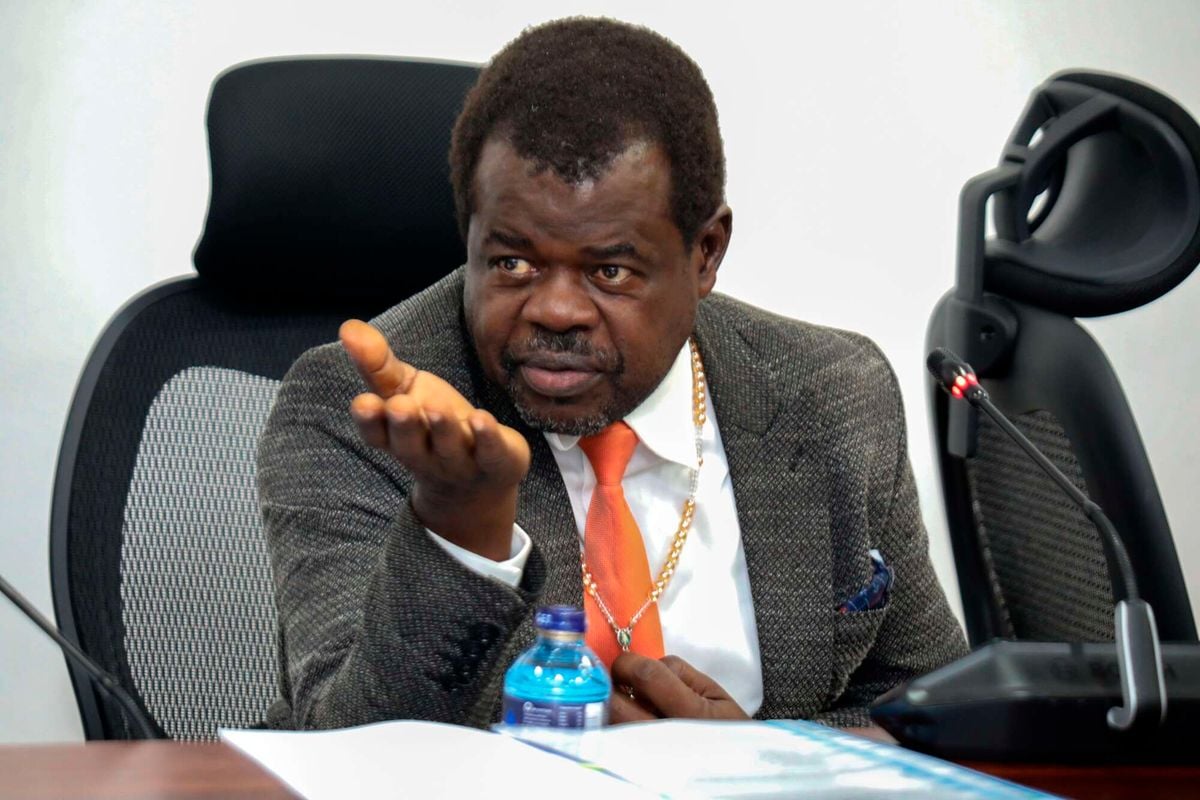
Activist and Busia Senator Okiya Omtatah claims the institution sank into deep financial trouble, with alleged mismanagement hitting Ksh9.1 billion.
The case exposes bitter boardroom fights, ignored oversight, and claims of insider enrichment. At stake stands a public-interest hospital sitting on government land, now facing intense legal and constitutional scrutiny.
Nairobi Hospital AGM Halted Amid Explosive Ksh9.1B Mismnagement Claims
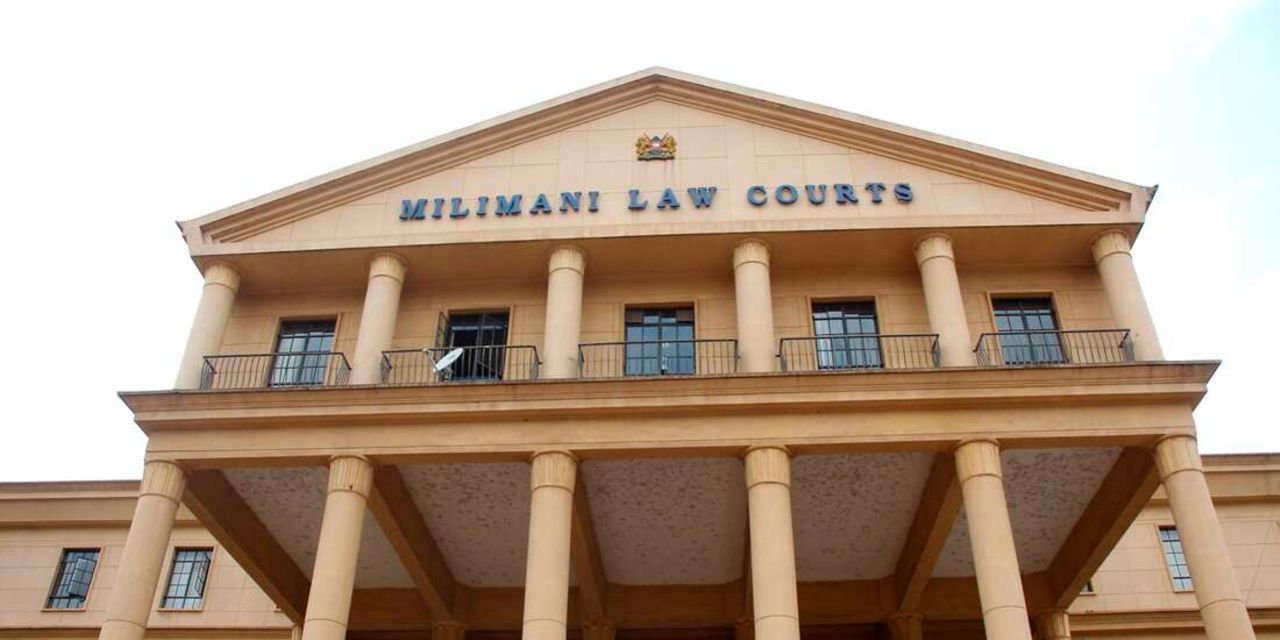
The Nairobi High Court has temporarily stopped the Nairobi Hospital and its Board of Management from proceeding with the Nairobi Hospital AGM scheduled for Friday, February 6, 2026.
Justice Lawrence Mugambi issued conservatory orders on Thursday, February 5, 2026, after Omtatah, Bernard Muchiri Muchere, and Naomi Nyakerario Misati filed a notice of motion. They asked the court to stop the meeting until it examines claims of massive financial mismanagement and a worsening leadership crisis.
The judge barred the hospital, its board, employees, and proxies from convening or facilitating the Nairobi Hospital AGM in any form. He ruled that no adjournment or continuation of the meeting can proceed until the case is heard and determined.
Justice Mugambi’s order sent a clear message. The court views the allegations as serious enough to justify urgent intervention. The decision also reflects concern that holding the AGM could cement decisions that may later prove unlawful or harmful to the institution.
The court further directed the hospital’s board, senior managers, and several state agencies to respond within seven days. These agencies include the Attorney General, the Inspector General of Police, the Ethics and Anti-Corruption Commission, and the Directorate of Criminal Investigations.
The matter will come up again on February 23, 2026, when the court will issue further directions.
Omtatah alleges financial collapse and board capture
In the petition filed on February 3, 2026, the applicants paint a grim picture of Nairobi Hospital’s finances. They claim mismanagement has pushed losses beyond Ksh3 billion while supplier arrears have crossed Ksh4 billion.
They argue that these figures threaten the hospital’s ability to operate and meet its obligations. According to the petition, internal board conflicts have paralyzed decision-making and weakened oversight.
The applicants allege that key board committees no longer function as required. They claim powerful insiders sidelined these committees to bypass checks and balances. The petition also accuses the hospital leadership of flouting procurement rules and approving related-party transactions that enriched a few individuals.
Omtatah and his co-petitioners argue that these actions drained hospital resources while patients and suppliers suffered. They say the leadership crisis has allowed financial leakages to continue unchecked.
They also fault state agencies for failing to act. Despite what they describe as credible evidence and past judicial findings pointing to serious misconduct, the petitioners say regulators have remained silent. They argue this inaction has allowed the alleged mismanagement to deepen.
Public land, public duty, constitutional accountability
They state that the hospital sits on land granted by the government strictly for public healthcare. Official land search records, they say, confirm this status and the conditions attached to the title.
According to the petition, this places the land under Article 62 of the Constitution and the Public Trust Doctrine. Under this doctrine, public land must serve the public interest and remain under strict accountability.
The applicants argue that Nairobi Hospital performs essential public-interest healthcare functions. Because of this role, they say its governance attracts constitutional scrutiny.
They insist that decisions made at the Nairobi Hospital AGM affect more than members and managers. They affect patients, staff, suppliers, and the public at large.
The petition states that occupying public trust land imposes higher standards of transparency and accountability. The applicants argue that the board must answer not only to members but also to the Constitution and the public.
By stopping the Nairobi Hospital AGM, the court has opened the door to deeper scrutiny of how one of Kenya’s most prominent hospitals runs its affairs. The case now places the hospital’s leadership under a harsh spotlight.
As the February 23 mention date approaches, pressure continues to mount. The court will decide whether the Nairobi Hospital AGM can proceed and whether the allegations of Ksh9.1 billion mismanagement will trigger further legal and criminal action.
For now, the message remains blunt. Governance failures at institutions serving the public will not pass quietly. Courts are ready to step in when accountability collapses.