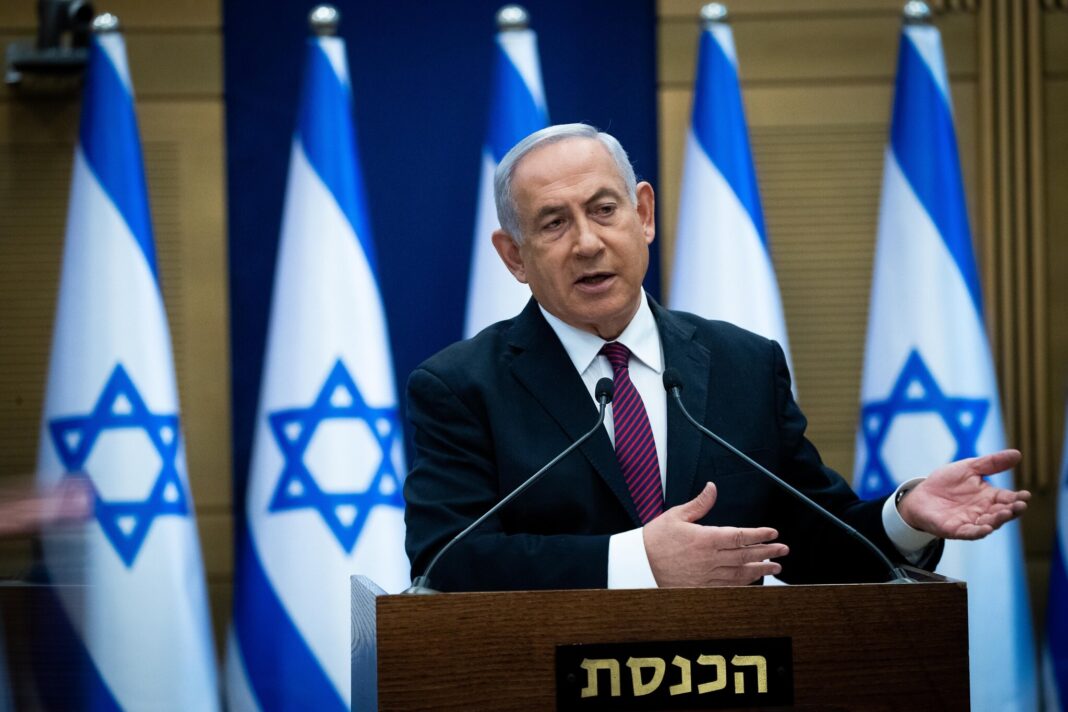
The African Union has forcefully rejected Israel’s official recognition of Somaliland, warning of dangerous precedents that could destabilize the continent. The AU’s statement came hours after Israeli Prime Minister Benjamin Netanyahu and Somaliland President Abdirahman Mohamed Abdilahi signed a joint declaration recognizing Somaliland’s sovereignty.
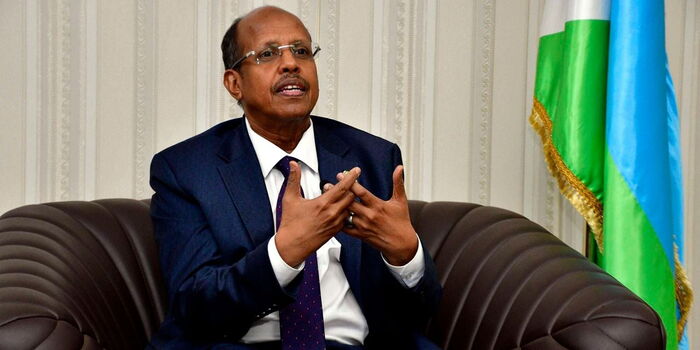
African Union Commission Chairperson Mahmoud Ali Youssouf condemned the move, reaffirming unwavering support for Somalia’s unity and insisting that any attempt to recognize Somaliland undermines African principles and risks igniting regional tension.
African Union Upholds Somalia’s Territorial Integrity
The African Union Commission’s statement on Friday, December 26, was unequivocal. Chairperson Mahmoud Ali Youssouf rejected Israel’s recognition of Somaliland and reaffirmed the AU’s long-standing position on the sanctity of inherited colonial borders. “The Chairperson unequivocally reaffirms the longstanding and consistent position of the African Union, grounded in the principles enshrined in the Constitutive Act of the African Union, in particular the respect for the intangibility of borders inherited at independence,” the statement read.
Somaliland, formerly the British Somaliland Protectorate, briefly achieved independence in 1960 before voluntarily joining Somalia to form the Somali Republic. Following Somalia’s civil war and government collapse in 1991, Somaliland unilaterally declared independence, creating a de facto state with its own elections, currency, police force, and passport system. Despite decades of relative stability, the African Union has never recognized it, insisting it remains an integral part of Somalia.
The AU warned that recognition of Somaliland State by any foreign actor threatens Somalia’s unity and sovereignty and could set a perilous precedent for separatist movements across Africa. Mahmoud Ali Youssouf emphasized that any initiatives undermining territorial integrity contradict AU principles and could destabilize peace across the continent.
Israel Moves to Recognize Somaliland State
Israel’s recognition of Somaliland marked a bold diplomatic move, formalized through a phone call between Netanyahu and Somaliland’s President Abdilahi. The declaration highlighted collaboration in agriculture, health technology, and economic development. Israeli officials cited the Abraham Accords, initiated under former US President Donald Trump, as inspiration for the recognition.
The move has raised eyebrows internationally, with Somalia and several other nations condemning it. Somalia branded the recognition as an attack on its sovereignty. Saudi Arabia, Egypt, Turkey, Djibouti, Jordan, and Iraq joined the condemnation, calling the action a violation of international law, a threat to regional stability, and a breach of the United Nations Charter.
While Israel frames its recognition as a partnership for development, critics warn that it risks emboldening separatist movements elsewhere and could complicate Israel’s diplomatic relations in the Horn of Africa and across the Muslim world.
Somalia Reaffirms Opposition and Seeks International Support
Somalia’s government swiftly condemned Israel’s recognition of Somaliland State, framing it as a direct assault on national sovereignty. Somalia’s Ministry of Foreign Affairs reiterated that the breakaway territory remains an inseparable part of the nation and vowed to engage international partners to counter the recognition.
The Somali Defense Ministry also highlighted potential security implications, stressing that undermining the central government’s authority could encourage unrest in the fragile region. Somalia has called on the AU and the United Nations to actively oppose Israel’s move and reaffirm international support for Somalia’s territorial integrity.
The AU’s strong stance aligns with Somalia’s position, emphasizing that foreign recognition of Somaliland could embolden other separatist claims on the continent. African Union officials insist that preserving inherited borders is crucial for maintaining peace and preventing the escalation of ethnic and regional conflicts.

Kenya Faces Diplomatic Tightrope Over Somaliland State
The AU’s rejection of Israel’s recognition places Kenya in a delicate diplomatic position. Nairobi has historically maintained close political, economic, and security ties with Somaliland, hosting a representative office in its capital, Hargeisa. Kenya’s engagement with Somaliland has often been viewed as undermining Somalia’s sovereignty, even though Nairobi officially upholds Somalia’s territorial integrity.
Analysts say Kenya now faces the challenge of balancing its strategic interests with Somaliland against the AU’s unified position supporting Somalia. Nairobi’s role as a regional hub for trade and diplomacy means that missteps could strain relations with both Somalia and the wider African Union, while potentially complicating its ties with Israel, which has invested in building partnerships in the Horn of Africa.
The AU’s warning is a clear message that unilateral recognition of Somaliland State is unacceptable and fraught with risk for regional diplomacy. Kenya, alongside other African nations, must navigate this delicate geopolitical terrain carefully to avoid igniting tensions that could destabilize East Africa.
Future Implications for Somaliland and the Horn of Africa
Somaliland continues to operate with de facto independence, maintaining its own government, currency, and security institutions. However, without broad international recognition, its position remains precarious. Israel’s recognition may boost Somaliland’s international profile, but the AU’s stern warning signals that any similar actions by other states could face strong regional opposition.
Analysts suggest that the African Union’s position is rooted in a desire to protect the continent from fragmentation, preserve post-colonial borders, and maintain regional stability. For Somaliland, the challenge will be balancing its aspirations for recognition with the political realities imposed by Somalia and the AU.
The standoff over Somaliland State is now a flashpoint in international diplomacy, highlighting tensions between local aspirations for sovereignty, the strategic interests of foreign powers, and the AU’s commitment to maintaining African unity. With competing interests at play, the Horn of Africa may face heightened political friction in the coming months, testing the resilience of regional diplomacy and peace initiatives.