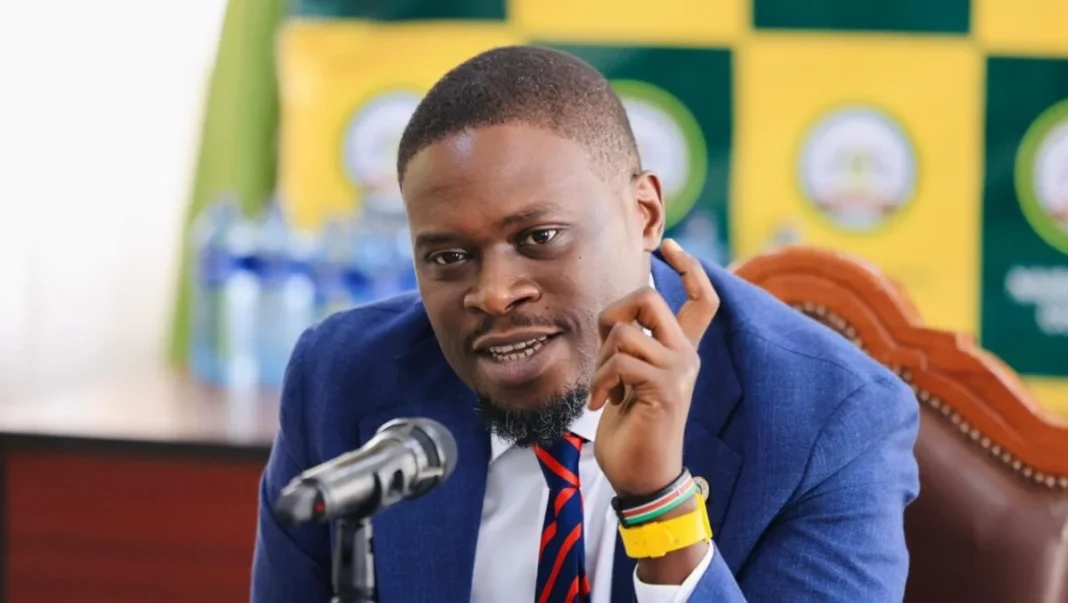
Nairobi Governor Johnson Sakaja has revealed that the much-debated Ruto-Sakaja Deal could collapse under two powerful forces: public participation and Senate intervention. Appearing before the Senate Committee on Devolution and Intergovernmental Relations on February 26, the governor admitted that despite backing the agreement, it remains vulnerable.
Residents can reject it. Senators can amend it. And Parliament can make it unnecessary by increasing allocations to the capital. His remarks now place the fate of the Ruto-Sakaja deal squarely in the hands of the public and lawmakers.
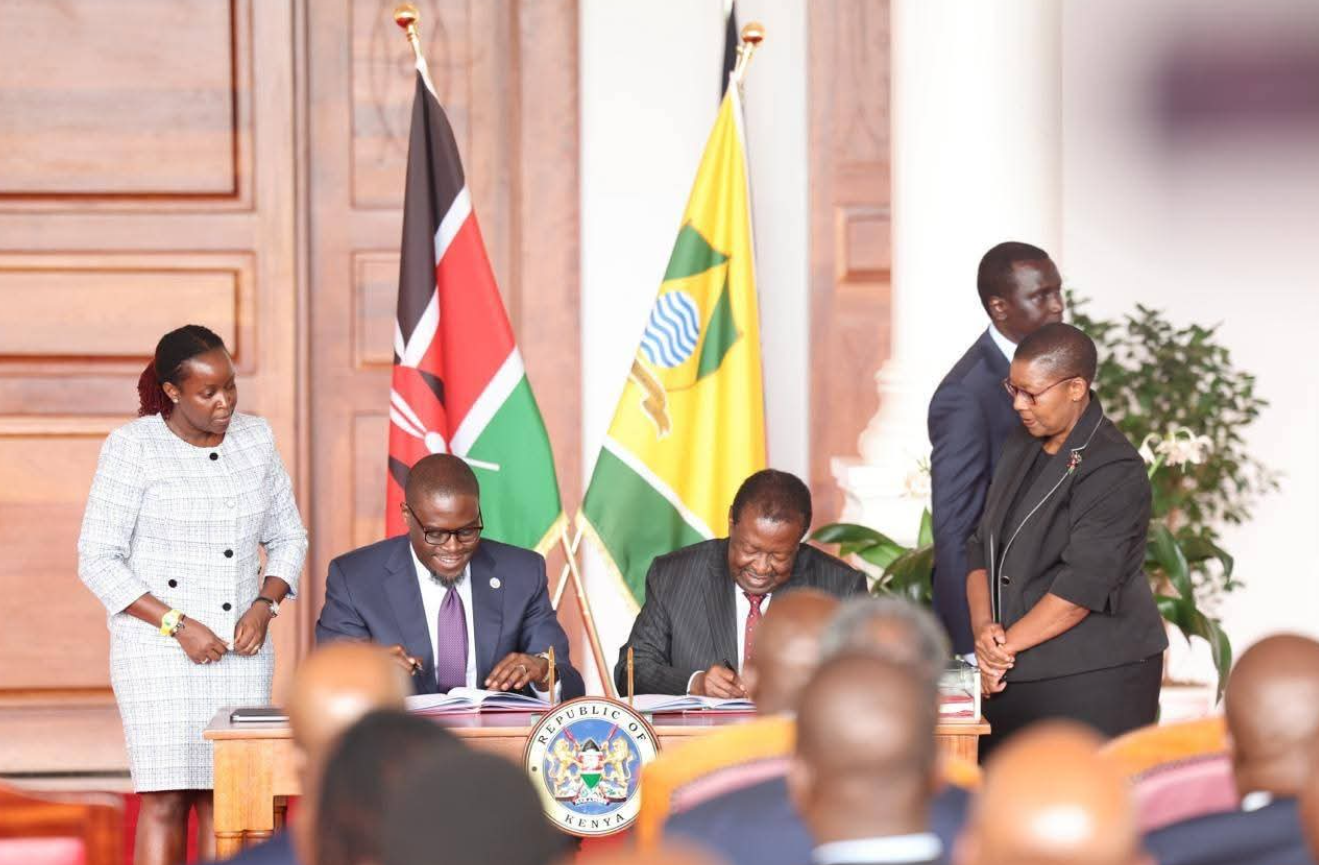
The agreement, signed on February 17 between Sakaja and President William Ruto, seeks to unlock an additional Ksh80 billion for Nairobi’s development. However, political resistance, legal hurdles, and procedural questions continue to threaten its implementation.
Why Public Participation and Senate Oversight Could Derail the Ruto-Sakaja Deal
Sakaja made it clear that the Ruto-Sakaja Deal will not survive if Nairobi residents reject it during the ongoing public participation process.
He told senators that if the people oppose the document, the county government would amend it. Amendments, he said, could involve revising clauses and clarifying contentious provisions. That statement signaled that the deal does not enjoy unconditional backing, even from its chief architect at City Hall.
“If the people reject the document, we can amend it,” Sakaja stated, acknowledging that public opinion carries constitutional weight.
The County Assembly of Nairobi has already begun preparing for public hearings. Those forums will test whether residents see the agreement as a genuine solution to the city’s long-standing financial crisis or as an overreach by the national government.
Beyond public participation, Sakaja pointed to the Senate as the second decisive gatekeeper. He said the deal could effectively collapse if lawmakers allocate substantial additional funding to Nairobi through the national budget.
He challenged senators directly, arguing that unless they inject between Ksh80 billion and Ksh100 billion into the county through the Budget Policy Statement, the city will continue to struggle without the agreement.
“The capital will not change without this provision unless you tell me another provision of adding Ksh80 or Ksh100 billion to the city,” he said.
In essence, Sakaja framed the Ruto-Sakaja Deal as a financial necessity rather than a political convenience. He suggested that if senators provide an alternative funding stream, he would not need the cooperation agreement.
Senators Question the Timing of the Ruto-Sakaja Deal
Members of the Senate Committee did not focus only on funding. They also questioned the process. Several senators raised concerns about why the Ruto-Sakaja deal was signed before public participation took place. They argued that constitutional principles require citizen involvement before finalizing such major agreements.
Sakaja defended the decision by explaining that the county needed a concrete document before engaging the public. He told senators that presenting vague ideas would have undermined meaningful consultation.
“We felt there needed to be a document for the public to discuss,” he said, while seeking guidance from the Senate on procedural expectations.
That exchange exposed a deeper tension. Critics fear that signing first and consulting later weakens the spirit of devolution. Supporters argue that drafting a formal agreement provides clarity and structure for public debate.
The court has already added another layer of uncertainty by temporarily halting implementation of the agreement. That legal pause means that even if political approval proceeds, judicial scrutiny could still reshape or delay the deal.
Is the Ruto-Sakaja Deal Nairobi’s Only Lifeline?
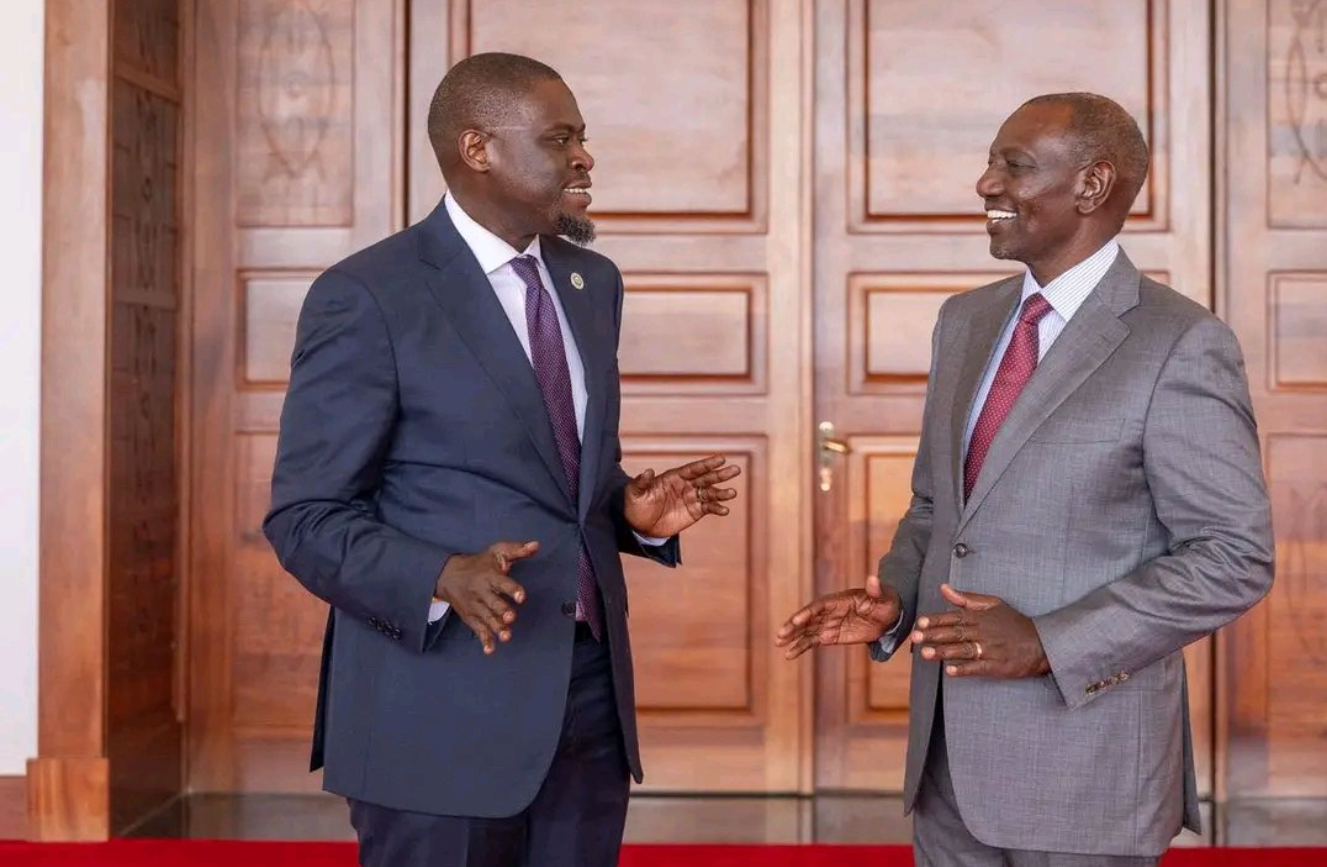
He insisted that the agreement does not transfer county functions to the national government. He emphasized that he would never surrender devolved roles. Instead, he described the pact as a cooperation framework designed to accelerate infrastructure projects, social services, and economic growth.
“As a responsible governor who cares for his people, I must find whichever way that will get me resources. I don’t have another route,” he told the committee.
Sakaja positioned himself as a pragmatic leader confronting harsh fiscal realities. Nairobi, as the capital city, carries national responsibilities but operates under tight budgetary constraints. He argued that without significant additional funding, the city cannot modernize its transport systems, expand housing, or upgrade public services.
By directly challenging senators to provide alternative funding, Sakaja shifted the debate from legality to practicality. He effectively asked lawmakers whether they are prepared to back their criticism with money.
Still, political observers note that the Ruto-Sakaja Deal sits at the intersection of devolution politics and national power dynamics. The cooperation agreement links City Hall closely with the presidency, a move that some leaders interpret as strengthening central influence over the capital.
Public participation now stands as the first real test. If Nairobi residents reject the deal, the governor will have to return to the drawing board. If the Senate amends key clauses or boosts the county’s allocation, the agreement could lose its urgency. And if the courts find constitutional violations, implementation could stall indefinitely.