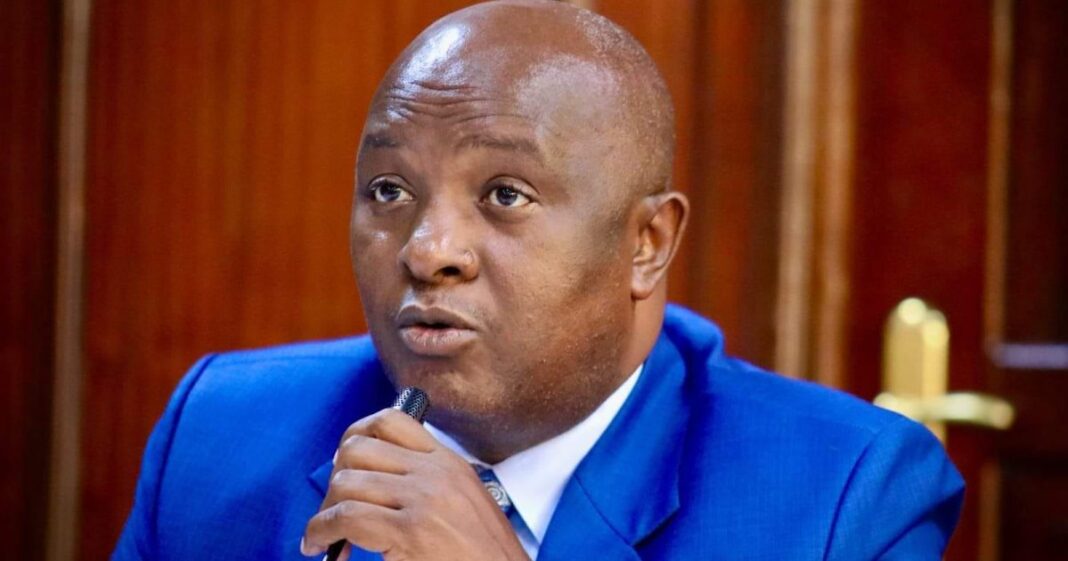
Osotsi challenges Oburu at a tense moment for the Orange Democratic Movement. The public clash has exposed deep cracks inside the party leadership and raised fresh questions about ODM’s direction ahead of the 2027 elections. As senior leaders trade sharp words, the party risks drifting without a clear strategy.
Deputy Party Leader Geoffrey Osotsi now openly disputes Oburu Odinga’s positions and warns that unilateral decisions could destroy ODM’s electoral strength. The fallout has pulled Secretary General Edwin Sifuna into the storm and widened divisions that ODM can no longer ignore.
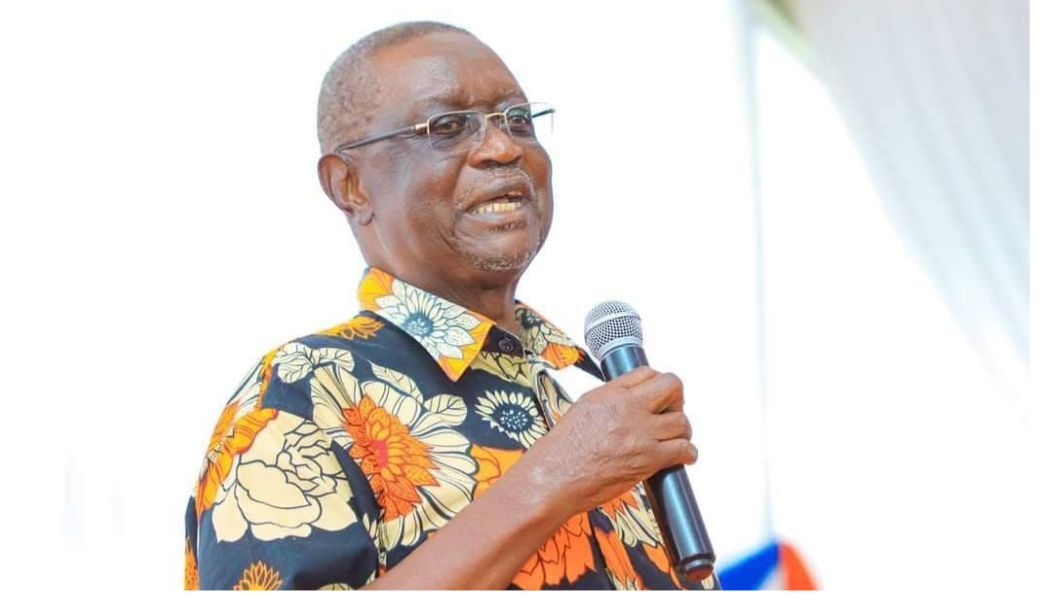
Osotsi Challenges Oburu and Rejects Backroom Decisions
Osotsi Challenges Oburu by confronting what he calls dangerous shortcuts in party decision-making. He insists that ODM must consult its organs before taking major political steps. He argues that choices such as fielding candidates or joining coalitions cannot come from personal views or private talks.
Osotsi spoke plainly. He said ODM never resolved to skip the 2027 presidential race. He said the party never agreed to abandon a deputy presidential bid. He warned that leaders who push such ideas act without a mandate. He urged them to stop weakening the party from within.
Osotsi also rejected any plan to align ODM with the ruling United Democratic Alliance. He said a coalition with UDA would strip ODM of its identity. He said such a move would confuse supporters and collapse the party’s base. He warned that ODM would become irrelevant if it surrendered its independence.
His remarks directly countered Oburu Odinga’s recent statements. Oburu had criticized Secretary General Edwin Sifuna for airing positions he said did not reflect party policy. Oburu accused Sifuna of spreading confusion and deepening divisions. Osotsi, however, shifted the focus back to consultation and internal democracy.
By speaking out, Osotsi challenges Oburu’s authority to frame party direction alone. He framed his argument around party rules, not personalities. He said ODM must respect its constitution and involve members in decisions that shape its future.
Why Osotsi Warns Against a UDA Coalition
Osotsi Challenges Oburu most sharply on the question of coalitions. He said ODM survives because it stands as a clear alternative. He said voters trust ODM when it speaks with an independent voice. He warned that joining UDA would erase that trust.
He told leaders to rethink their positions. He said ODM would “finish itself” by entering a UDA coalition. He also said refusing to field a presidential or deputy presidential candidate would signal surrender. He argued that strong parties contest power. He said weak parties look for shelter.
Osotsi framed 2027 as a defining moment. He said ODM must prepare to compete, not retreat. He urged leaders to energise supporters instead of dampening their hopes. He stressed that ODM still commands national support if it remains bold and united.
His message resonated with members who fear dilution of the party’s ideals. Many see ODM as a vehicle for reform and opposition. Osotsi echoed that sentiment and warned against deals that undermine it.
Youth Power and the Sifuna Factor
Osotsi Challenges Oburu while also pushing a broader vision for renewal. He called for empowerment of young leaders. He praised Winnie Odinga for her active campaign role and growing influence. He said youth energy strengthens ODM and keeps it relevant.
At the same time, the Sifuna dispute continues to split the party. Oburu defended the legitimacy of current officials. He said party resolutions placed them in office. He accused Sifuna of contradicting himself, noting that Sifuna once served as secretary general without objection after election by the National Governing Council.
Sifuna has refused to resign. He insists that only a delegates’ conference can remove him. He has also raised concerns about state interference in ODM’s finances. His stance has attracted support from leaders who want ODM to remain independent of government influence.
Ruth Odinga has defended Sifuna. She said his position reflects genuine concern, not rebellion. She compared his stance to past strategies used by the late Raila Odinga. Her comments have further complicated the internal debate.
Osotsi’s intervention adds weight to the independence camp. He positions himself as a guardian of party consultation and electoral ambition. He avoids personal attacks but delivers a clear warning.
As Osotsi Challenges Oburu, ODM stands at a crossroads. The party must choose between closed-door decisions and open consultation. It must decide whether to compete for power or settle for alliances. How leaders resolve this rift will shape ODM’s strength in 2027 and beyond.