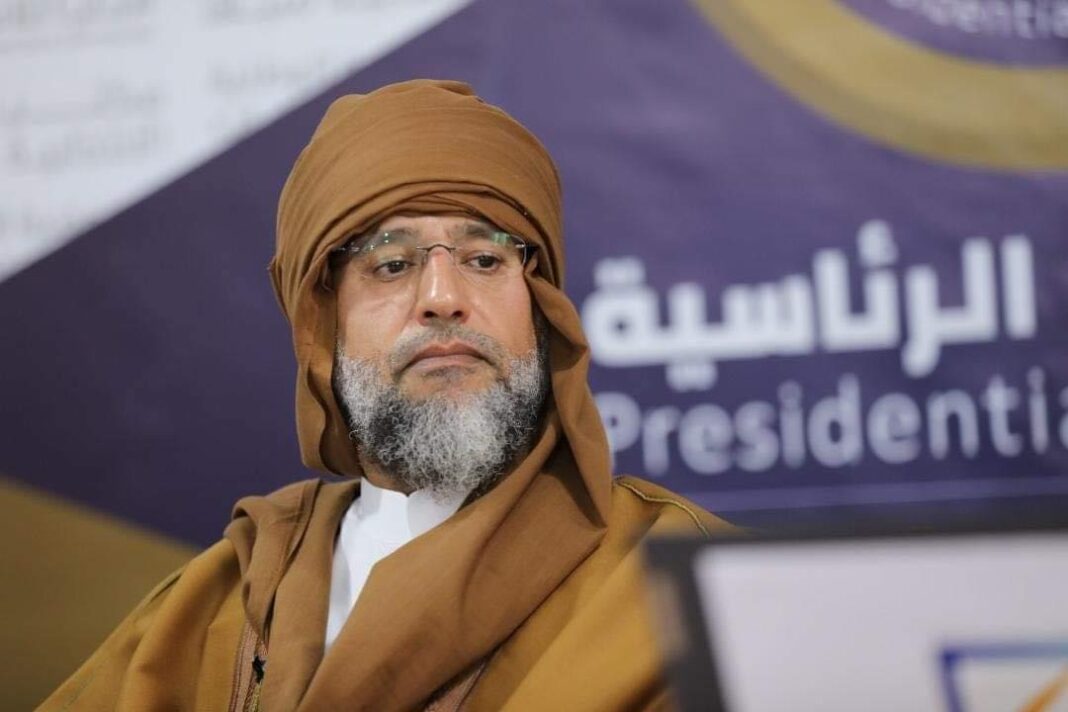
Saif al-Islam Gaddafi, the second son of Libya’s slain leader Muammar Gaddafi, has been killed in his hometown of Zintan. At 53, he had survived imprisonment, international sanctions, and years in hiding, all while plotting a return to Libyan politics.
Once seen as the heir-apparent to his father, Saif al-Islam was a Western-educated diplomat, negotiator, and political strategist. His death marks the definitive end of a figure who shaped Libya’s modern history and remained a symbol of both reformist promise and brutal repression.
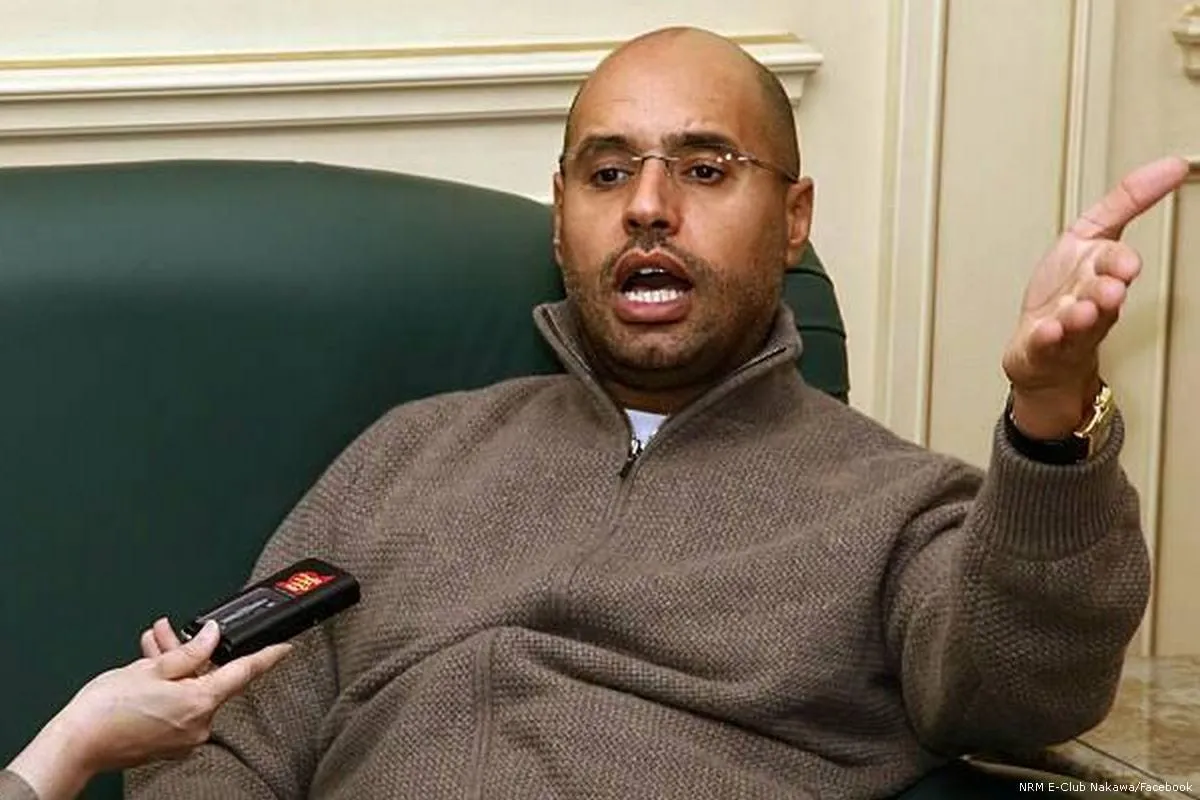
Who was Saif al-Islam Gaddafi?
Saif al-Islam rose to prominence as the most prominent son of Muammar Gaddafi. He was educated in the West, earning a PhD from the London School of Economics in 2008, where he focused on civil society’s role in global governance. Unlike many of his father’s inner circle, Saif presented a progressive image.
He negotiated with Western powers to improve Libya’s international standing and mediated complex disputes, including the release of foreign medics accused of infecting children with HIV. Saif was not just a diplomat; he was his father’s visible heir.
Before the Arab Spring of 2011, many saw him as Libya’s future leader. He campaigned for political reform and often represented Libya in global negotiations. His involvement in nuclear talks, compensation for terrorist attacks like Lockerbie, and peace processes in the Philippines highlighted his prominence.
Yet Saif’s career was dual-faced. While he promoted diplomacy, he also oversaw violent crackdowns on his father’s opponents. By February 2011, the UN had sanctioned him, citing alleged torture and widespread human rights abuses. His reputation balanced between reformist promise and brutal enforcement of the Gaddafi regime.
Imprisonment and Legal Battles
The 2011 Libyan uprising changed Saif al-Islam’s trajectory. NATO intervened in March 2011 to protect civilians, and by June, the International Criminal Court (ICC) issued an arrest warrant against him. Following his father and brother’s deaths in Sirte in October, Saif remained in hiding before being captured and imprisoned in Zintan.
Libya negotiated with the ICC to allow a domestic trial, but Saif’s lawyers warned that Libya’s courts sought revenge rather than justice. In 2014, he appeared via videolink at a Tripoli court trial, eventually sentenced to death in absentia in 2015. Despite the sentence, the Zintan militia released him in 2017 under an amnesty, though he remained a wanted man internationally.
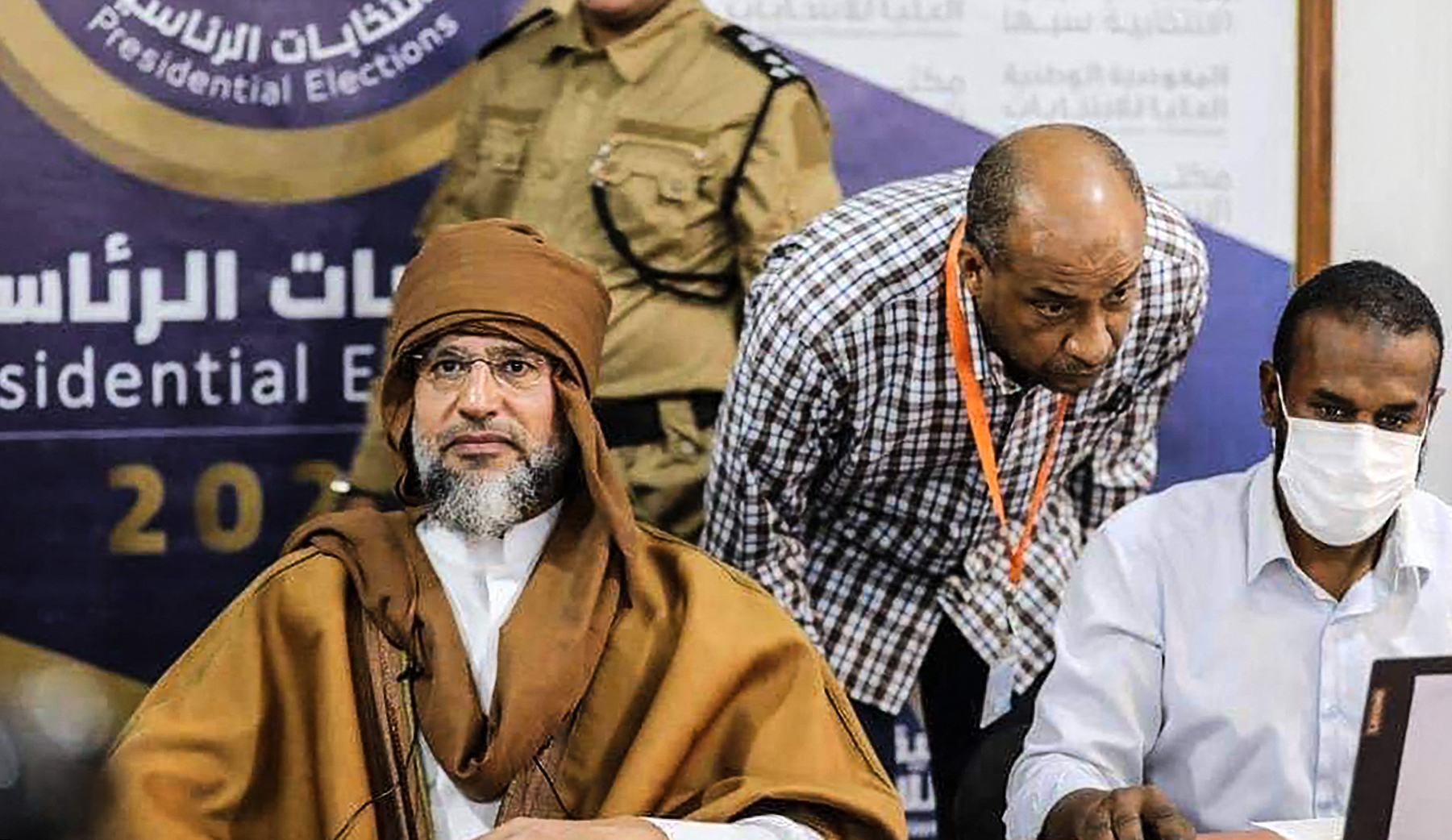
Saif’s years in hiding shaped his strategy for political comeback. In 2021, he gave a rare interview, claiming Libya’s authorities feared elections. He re-emerged publicly that November in Sebha, registering to run for president. Despite legal hurdles and rival administrations blocking the election, his attempt showed his enduring ambition to reclaim influence.
Political Vision and Legacy
Saif al-Islam’s political persona blended charisma, intellect, and strategic negotiation. He often advocated reforms, promoted Libya’s reconciliation with the West, and tried to carve a place as a peace mediator. His “Isratine” proposal envisioned a one-state solution for the Israeli-Palestinian conflict, and he brokered negotiations that resulted in the release of hostages and the signing of peace agreements abroad.
His death signals the end of an era for Libya. Saif embodied the paradoxes of the Gaddafi legacy: a man of vision and violence, diplomacy and oppression, progress and fear. Figures close to him, including his adviser Abdullah Othman and lawyer Khaled el-Zaydi, confirmed he was assassinated by four masked men who broke into his Zintan home. The act reflects Libya’s persistent instability and the dangers for any figure attempting political resurgence.
Saif’s life was a mirror of Libya’s own modern turmoil: ambitious, violent, reformist, and ultimately fractured. Once poised to lead a nation, he spent his final years navigating a divided country while remaining internationally wanted. Now, with his death, the chance for him to realize his father’s vision for Libya has vanished, leaving behind questions about the nation’s future leadership and whether any Gaddafi legacy will survive in the volatile Libyan political landscape.
Saif al-Islam Gaddafi was more than a son of a dictator. He was a symbol of Libya’s contradictions, a figure who could both charm the West and enforce brutal domestic rule. His assassination closes a chapter that began with promise and ended amid chaos, marking him as one of the most consequential and controversial figures in modern Libyan history.