The United States government has announced it will terminate Temporary Protected Status (TPS) for Somali immigrants, giving them just 60 days to leave the country or risk deportation. This abrupt decision places thousands of Somali nationals in legal limbo, threatening families who have lived and worked in the US for decades.
Advocates warn that the move could uproot communities, destabilize children’s education, and push immigrants into the shadows, as the government claims Somalia is now safe enough to allow deportations.
Somali Immigrants Face Deportation Threats as TPS Ends
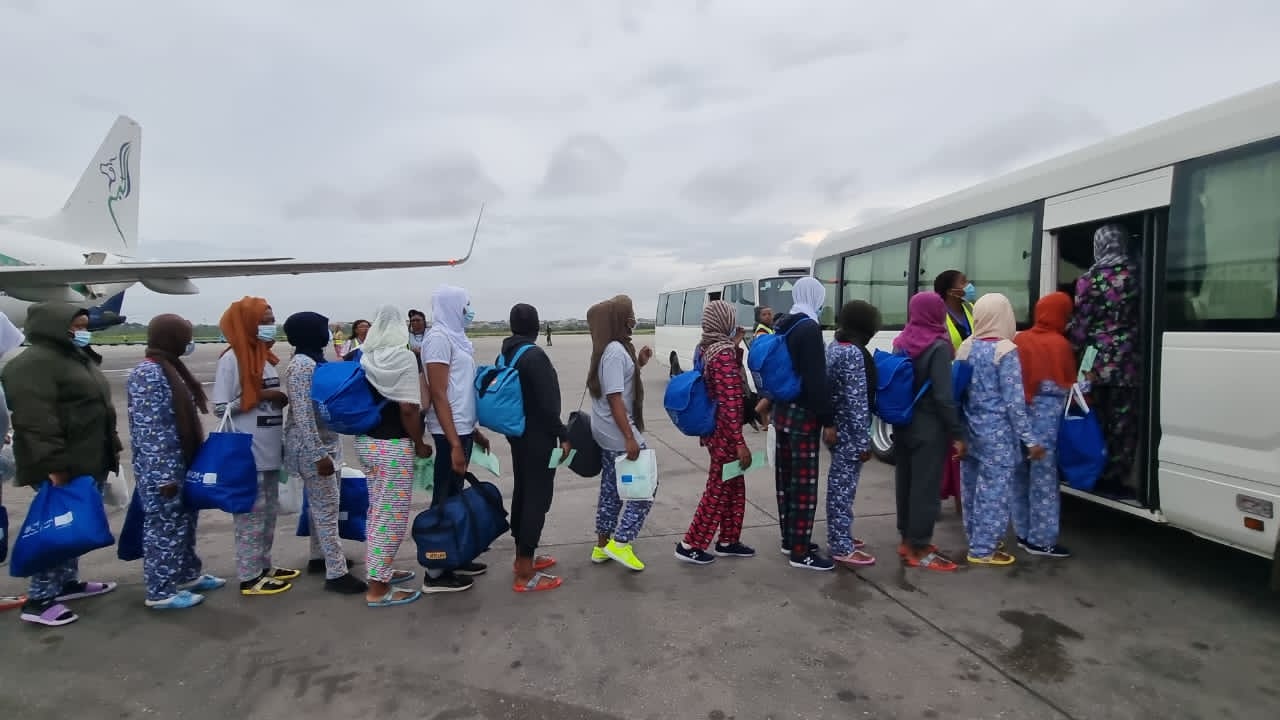
The Department of Homeland Security (DHS) confirmed that roughly 2,471 Somali nationals currently protected under TPS, along with 1,383 pending applicants, must leave the United States by March 17. DHS Secretary Kristi Noem said Somalia no longer meets the legal requirements for the programme.
“Temporary means temporary,” Noem stated. “Country conditions in Somalia have improved to the point that it no longer meets the law’s requirement for Temporary Protected Status. Further, allowing Somali nationals to remain temporarily in the United States is contrary to our national interests. We are putting Americans first.”
TPS was originally granted to Somali nationals in 1991 following a brutal civil war. Since then, both Republican and Democratic administrations, including the Biden administration, have extended protections multiple times. The program allows immigrants from dangerous or unstable countries to live and work legally in the US without fear of deportation.
Now, this lifeline is ending. Immigrant advocacy groups warn that deporting Somali nationals after decades in the US will destroy communities, separate families, and expose people to violence and instability if they return to Somalia.
Trump Administration Escalates Pressure on Somali Immigrants
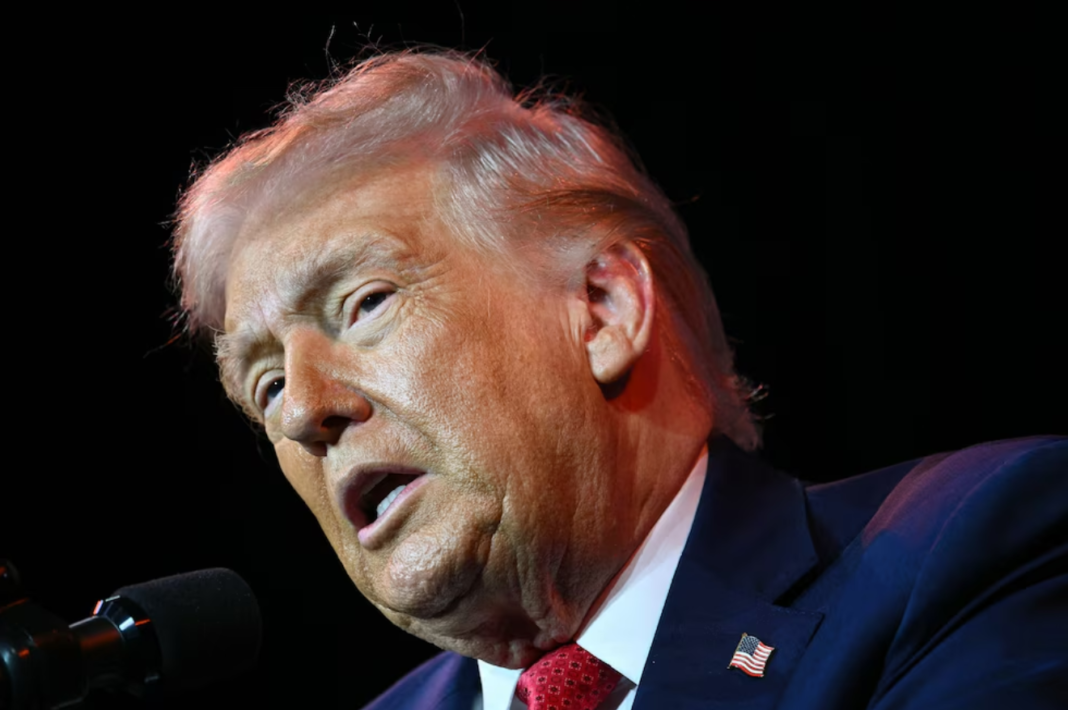
The move comes amid rising criticism of Somali immigrants by former President Donald Trump, who has repeatedly called for stricter enforcement against migrants from Somalia. He has described Somalia as “barely a country” and made inflammatory remarks targeting Somali communities during public events.
The administration has also increased federal immigration enforcement in Minnesota, home to the largest Somali diaspora in the United States. Last month, the federal government announced a surge of immigration officers in the state, citing national security and alleged fraud in childcare programs. This enforcement surge has heightened fear among Somali families who have lived in the US for decades under TPS.
DHS drew additional criticism online after posting an image of Trump with the caption: “I am the captain now,” which immigrant rights groups said trivialized the human consequences of deportation.
Legal and Humanitarian Challenges Ahead
Several decisions by the Trump administration to end TPS for other countries, including Venezuela, Haiti, Afghanistan, and Nepal, have already faced court challenges. A federal court blocked the termination of TPS for Haitians and Venezuelans, raising questions about whether Somali nationals could receive similar protections through the legal system.
Humanitarian groups argue that Somalia remains unstable despite government claims. They highlight ongoing conflict, food insecurity, and limited access to healthcare as reasons why deporting Somali nationals could violate international human rights standards. Lawyers representing Somali immigrants warn that the 60-day timeline is insufficient for arranging safe relocation or legal appeals.
Families and communities across the US are now grappling with uncertainty. Somali parents worry about their children’s schooling, economic stability, and social integration. Community leaders are calling for Congress to intervene or for courts to block the termination, saying the decision ignores the real dangers facing returnees.
TPS has long served as a vital safety net for those fleeing violence and turmoil. With Somalia’s designation ending abruptly, Somali nationals face deportation in 60 days, forcing thousands into a fight for their future in a country many call home.